
A manufacturing company that decided to build a brand. That order matters more than it sounds.
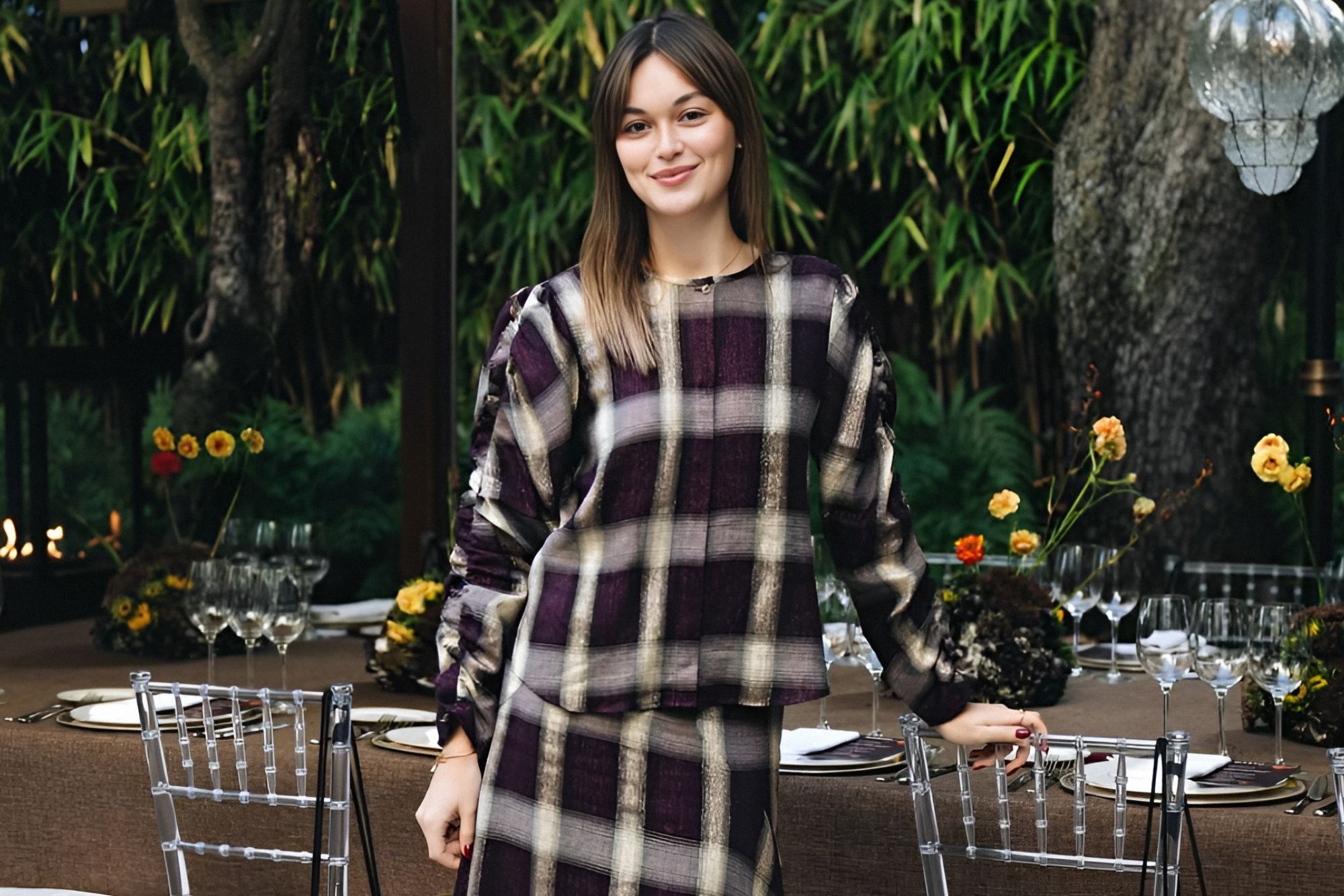
A brand born from multiple origins, held together by a single identity.
Mehmet Aksu understood fabric and cost before he understood image. He spent decades in textile manufacturing, learning how clothes are actually built and what quality does to a margin. When MAKSU arrived publicly in 2019, it came with that background already baked in. The brand started from a production philosophy. The image followed.
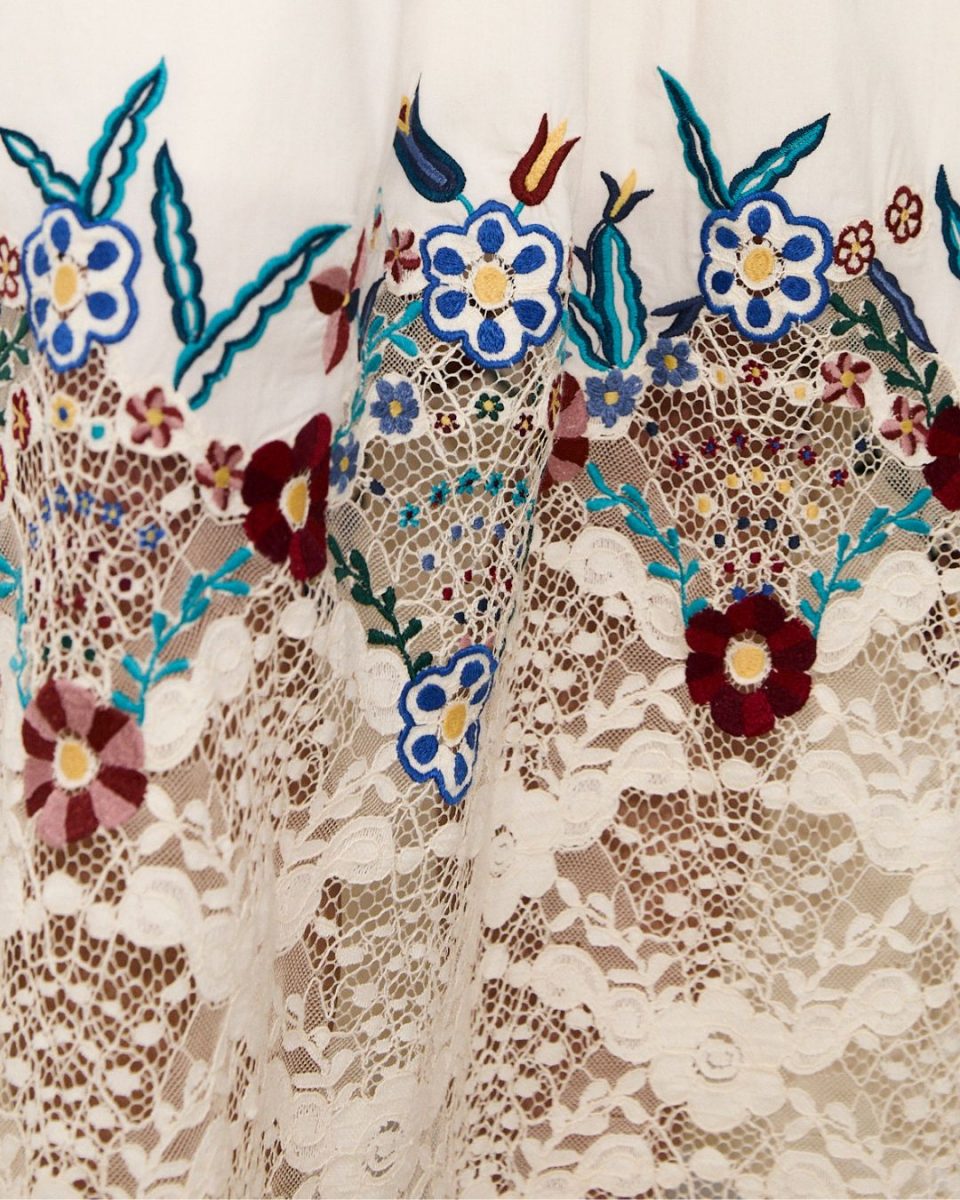
The clothes are sourced from multiple countries: Italian fabrics, Indian embroidery, hand-embroidered knitwear from China, and production centered in Turkey. The brand opened on Calle Lagasca in Madrid, then in Mayfair in London. Queen Letizia and Princess Leonor have worn it. Selin Aksu, Mehmet’s daughter, runs the creative direction.
The conversation with the MAKSU team kept returning to the same question: how a brand holds its shape when everything about its origin is genuinely multiple, and what it takes to grow without losing what made it worth finding in the first place.
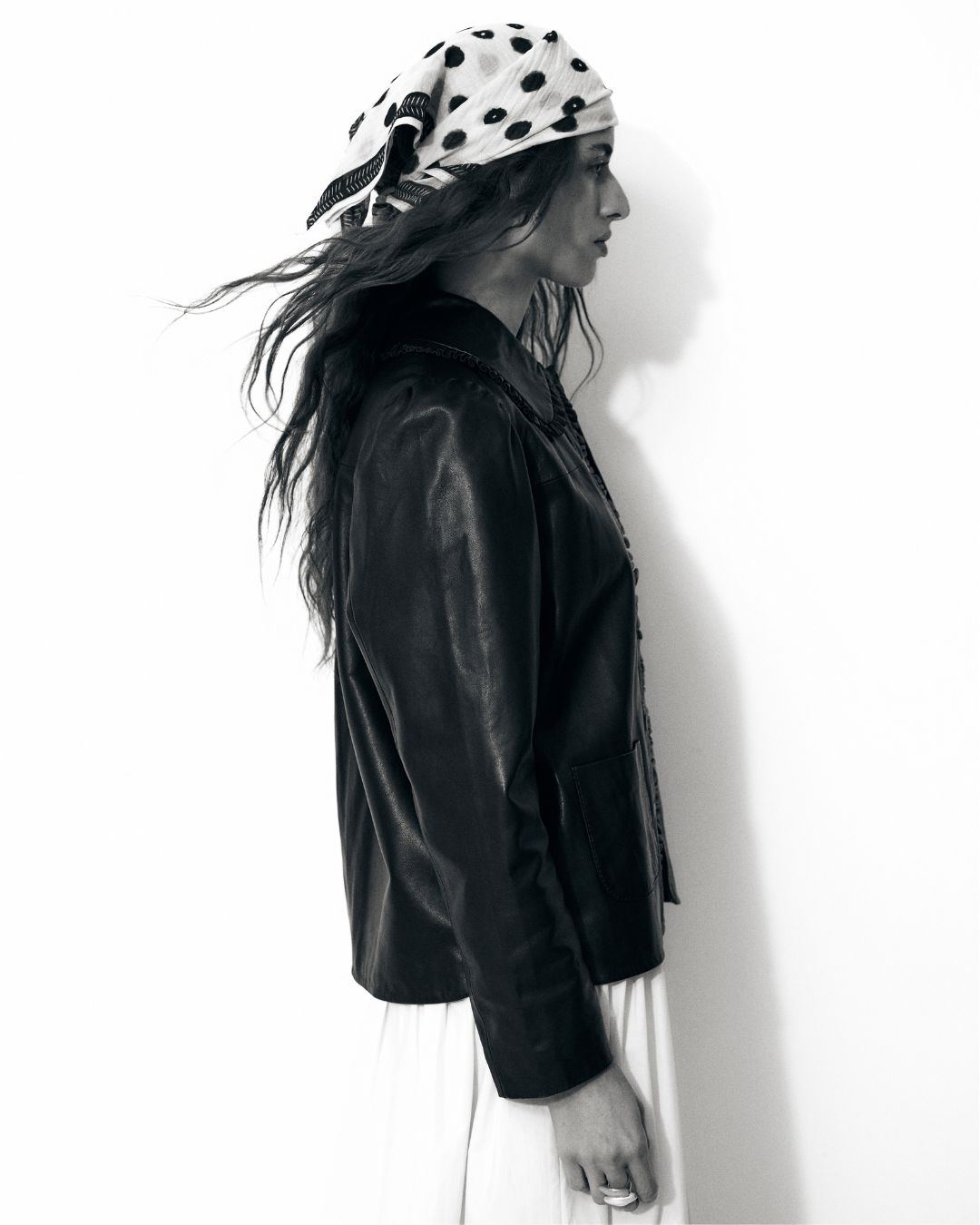
The people behind MAKSU
— Mehmet Aksu
Founder. Decades in textile manufacturing gave him an understanding of construction, fabric and cost that shaped the entire logic of the brand.
— Selin Aksu
Creative Director and Mehmet’s daughter. She translates the manufacturing foundation into what the brand looks like and means.
The Dialogue
Mehmet Aksu has built MAKSU from manufacturing: he understands clothing from construction, fabrics and costs. But you decide what is seen, what is felt, and what it means. Selin, how do these two ways of understanding a garment coexist within the same brand?
I think the most beautiful part of MAKSU is that these two worlds have never been separated. We did not start as a brand and then look for manufacturers. We started by making clothes. Manufacturing taught us discipline, respect for craftsmanship, and the importance of quality. The brand came later as a way of expressing our own vision.
Today, when I walk through a MAKSU store, I still see the factory behind every garment. Every embroidery, every fabric choice, every construction detail carries the knowledge accumulated over decades. That balance between creation and execution is what makes MAKSU feel authentic.
“We did not start as a brand and then look for manufacturers. We started by making clothes”
MAKSU calls its approach “unfinished”: the idea that style is never fixed, never tied to a single season. What led the brand to that position when the entire industry was pushing in the opposite direction?
There was no single moment. It was more of a realization.
Fashion became increasingly fast, but we felt people were looking for something more personal and lasting. We never wanted to create products designed to disappear after one season. Instead, we wanted to create pieces that could remain relevant for years.
The idea of being “unfinished” comes from believing that style is never fixed. Women evolve, trends evolve, and MAKSU evolves with them. We leave space for interpretation rather than imposing rules.
“We leave space for interpretation rather than imposing rules”
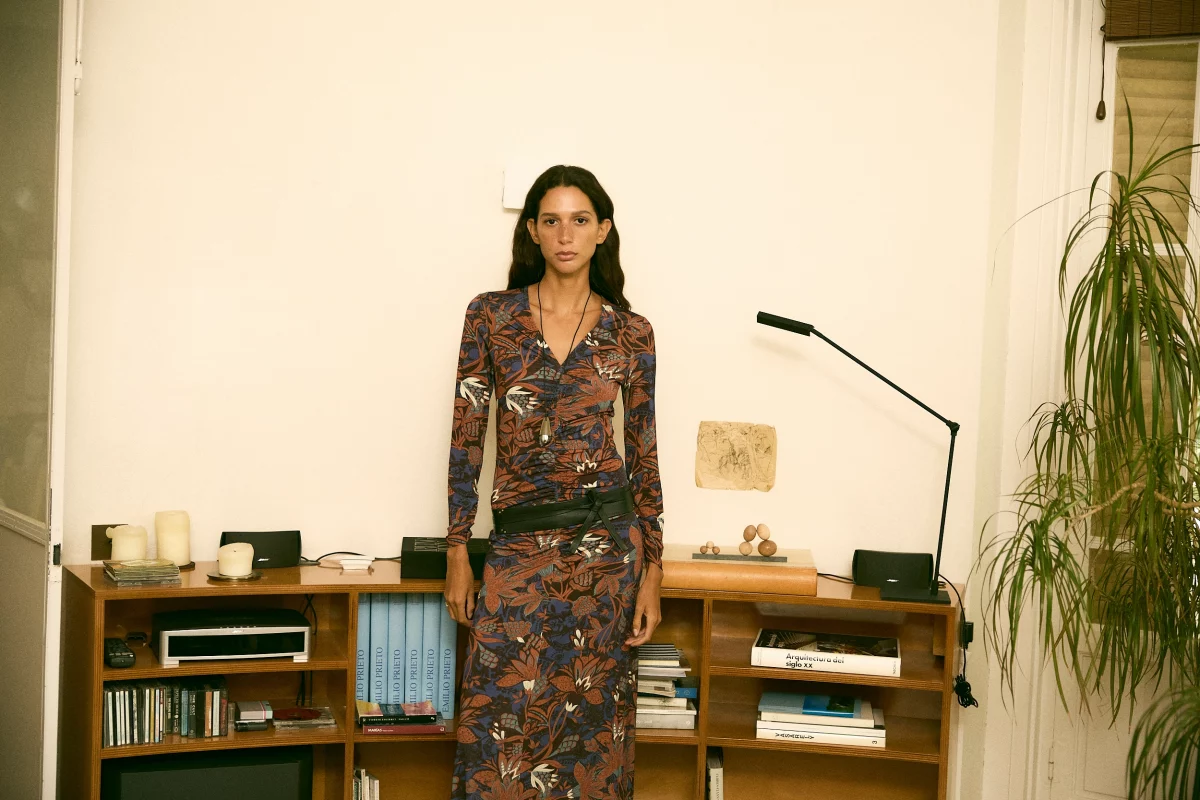
The Essentials collection promises pieces that last beyond seasons. How do you decide that something fulfills that promise before time has proven it?
We try to avoid asking, “What is trending?” and instead ask, “What will still feel beautiful in five years?”
We focus on proportion, fabric, craftsmanship, and emotion. Trends can inspire details, but they never define the collection. If a piece only works because of a trend, it probably does not belong in MAKSU.
We design for women who appreciate longevity.
“If a piece only works because of a trend, it probably does not belong in MAKSU”
MAKSU uses Italian fabrics, embroidery from India, hand-embroidered knitwear from China, and produces mainly in Turkey. But it describes itself as a Spanish brand. Where is MAKSU really from?
Geographically, MAKSU may exist between many places. Emotionally, it is born from curiosity.
Our roots are Turkish because that is where our manufacturing knowledge comes from. Spain shaped our cultural identity and our relationship with beauty. London brought an international perspective. Along the way we have worked with artisans and suppliers from many different countries.
So I would say MAKSU is born wherever craftsmanship and creativity meet. It belongs to more than one place.
When Letizia and Leonor started wearing the brand, the external perception of MAKSU changed. Was that an opportunity, a pressure, or both at the same time?
Definitely both.
It was an honor because these choices happen organically. Nobody can plan moments like that. Suddenly more people discover the brand and become curious about what you do.
At the same time, it creates responsibility. Visibility can amplify everything, both strengths and weaknesses. We felt even more committed to maintaining the same quality and authenticity that brought us there in the first place.
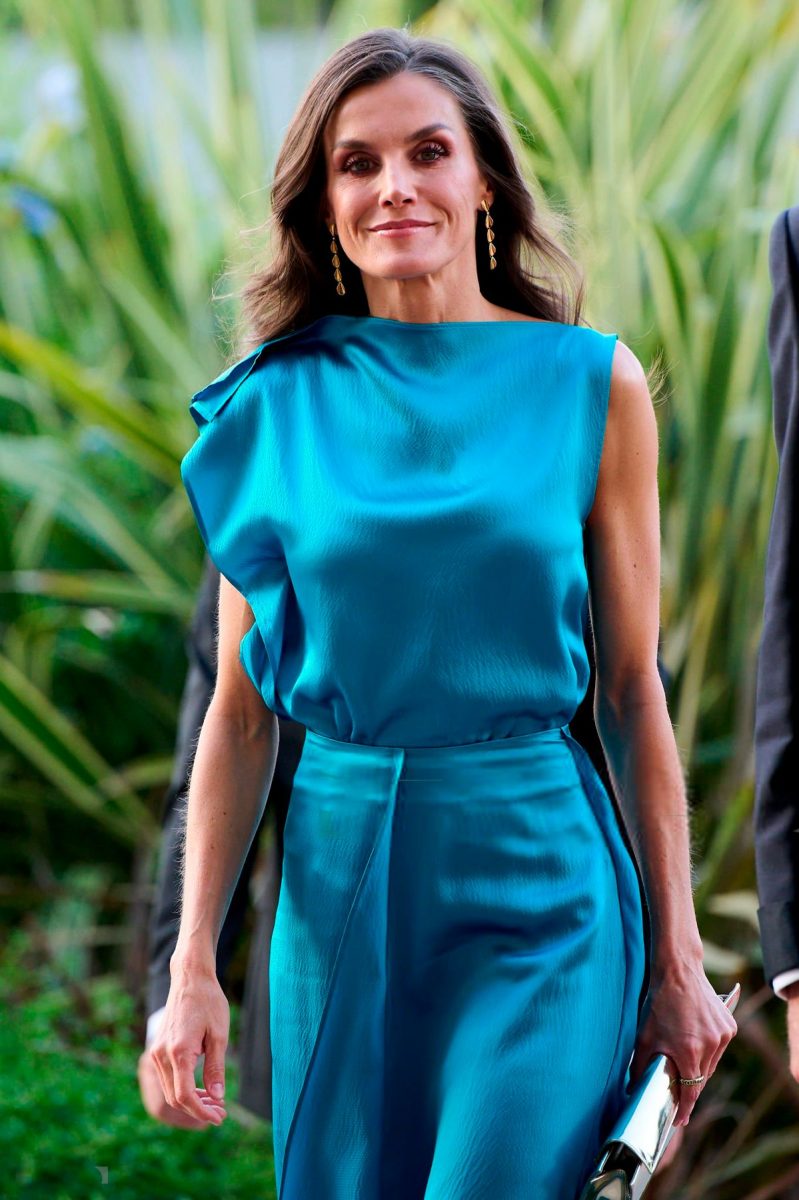
Spain and London are two very different contexts, two different ways of understanding fashion. What has each one contributed to MAKSU in a unique way?
Spain gave MAKSU its emotional language.
There is a certain warmth, femininity, and appreciation for color and craftsmanship in Spanish culture. Spanish women have a natural confidence that does not feel forced. That spirit has influenced the way we design.
London taught us structure and internationality. Spain taught us how to feel; London taught us how to scale.
Both are essential to who we are today.
“Spain taught us how to feel. London taught us how to scale”
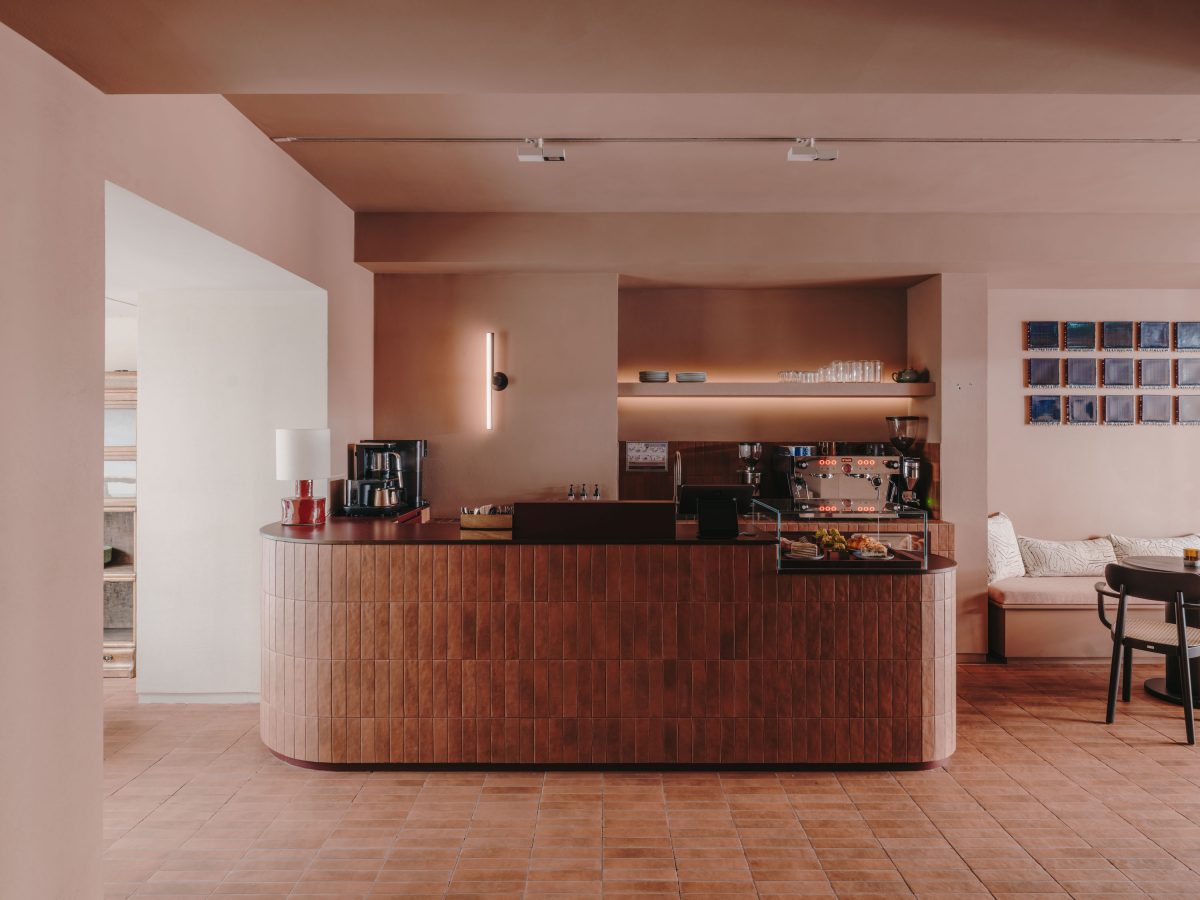
In the London flagship, the clothes share space with a Turkish café. It is not a common retail decision. What did you want to say with that?
We wanted people to spend time with the brand rather than simply shop.
Fashion today often moves too quickly. Enter, buy, leave. We were interested in creating a slower experience. A place where someone could sit, have a coffee, meet a friend, read, or simply observe.
For us, MAKSU is not only about clothing. It is about a way of living. The café was our way of extending that philosophy beyond the garments themselves.
“For us, MAKSU is not only about clothing. It is about a way of living”
The Factory Behind the Store
Selin talks about the clothes the way someone does when they have seen them built from scratch. She mentions construction details, fabric behavior, the way quality shows up before the garment is finished. That comes from Mehmet. He spent decades understanding what a piece costs and why, and that knowledge sits underneath everything MAKSU puts out.
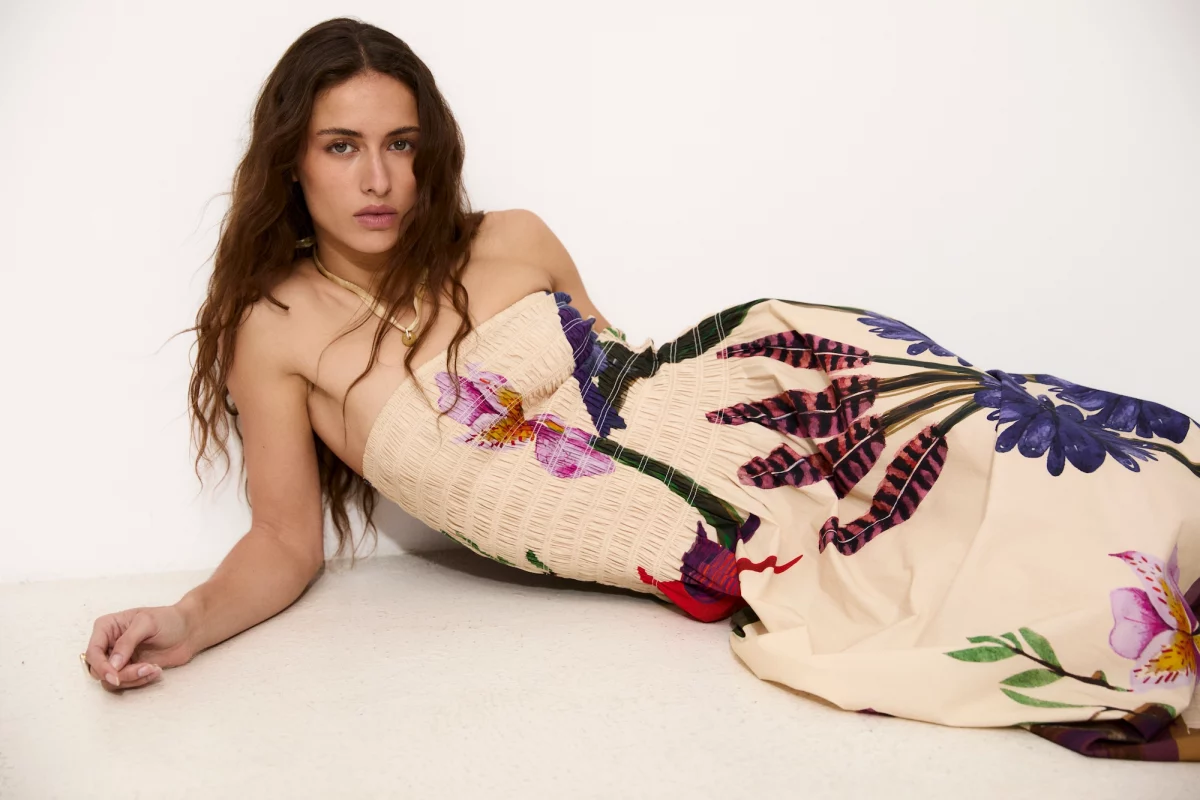
The unfinished label follows from that. When you understand production, you know what fast fashion actually does to a garment. The decision to work with limited runs is practical before it is philosophical. It is how you protect a standard of construction when volume would compromise it.
Visibility at that scale is a test most brands do not choose. What it revealed about MAKSU is that the standard of quality was already built in, long before anyone was watching.
That is what tends to get left out of the brand’s public story. MAKSU gets written about in terms of who wears it and where it opens next. The more interesting story is how a manufacturer’s knowledge became the foundation of a creative vision, and why that sequence produced something the fashion industry does not have many clean examples of.
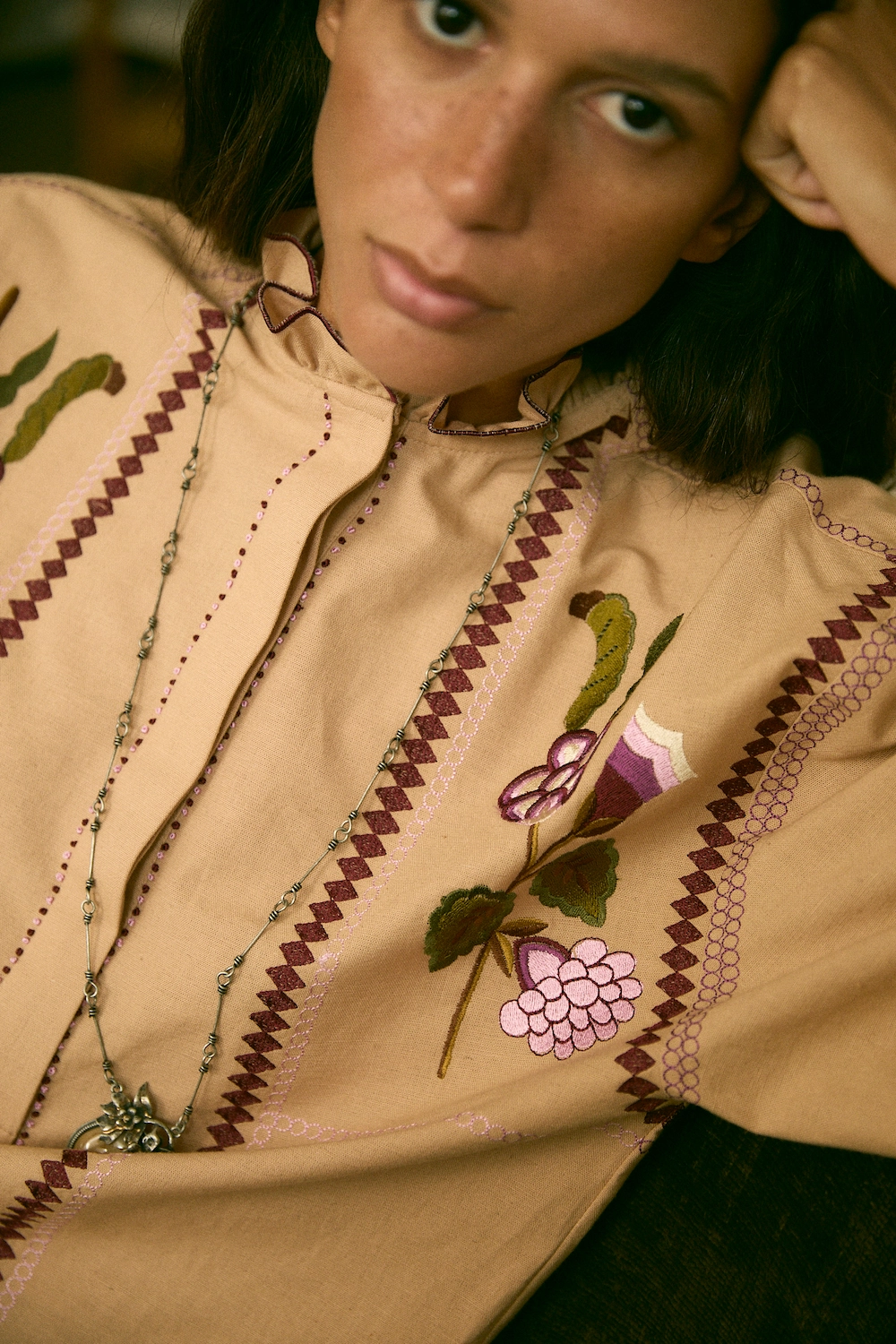
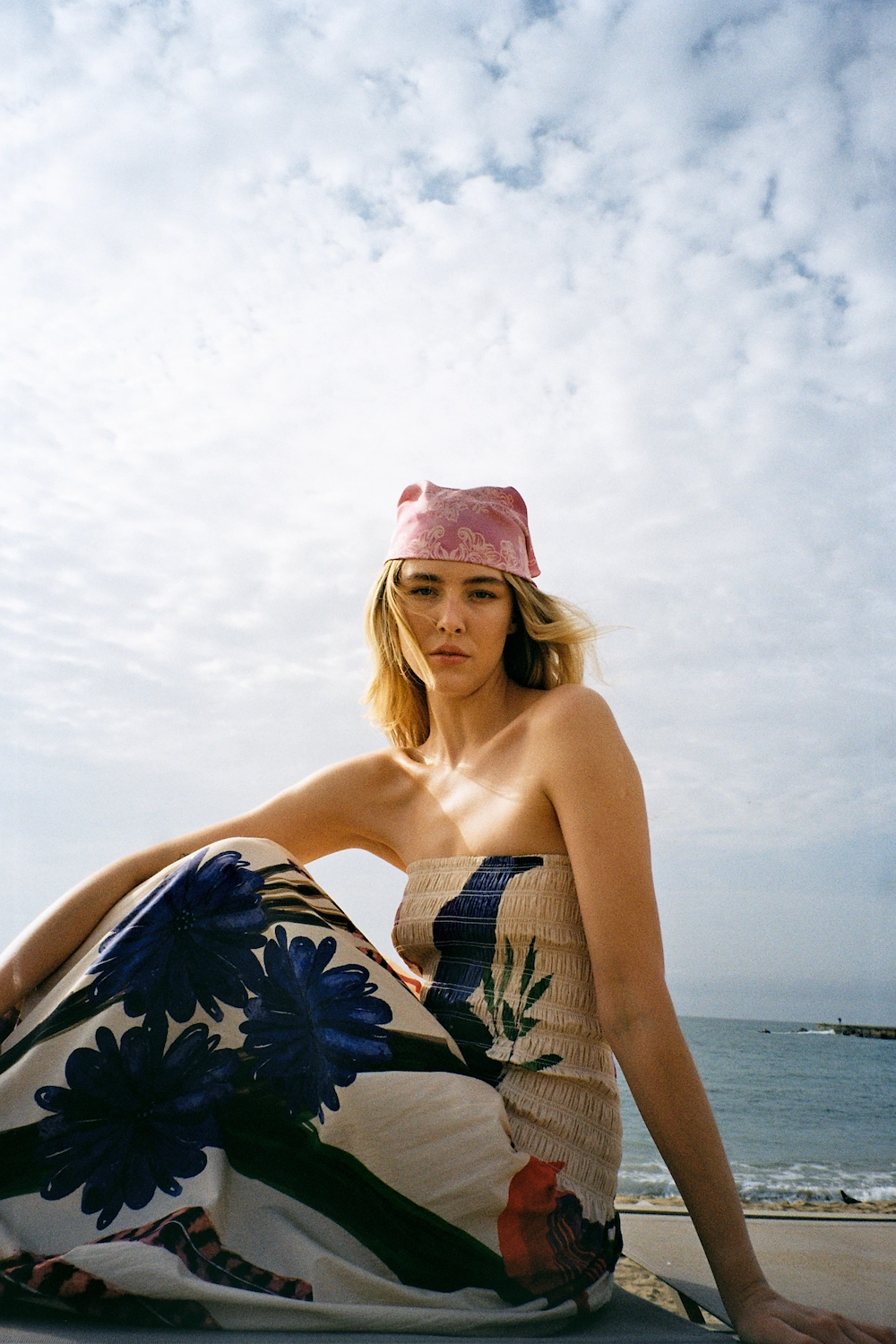
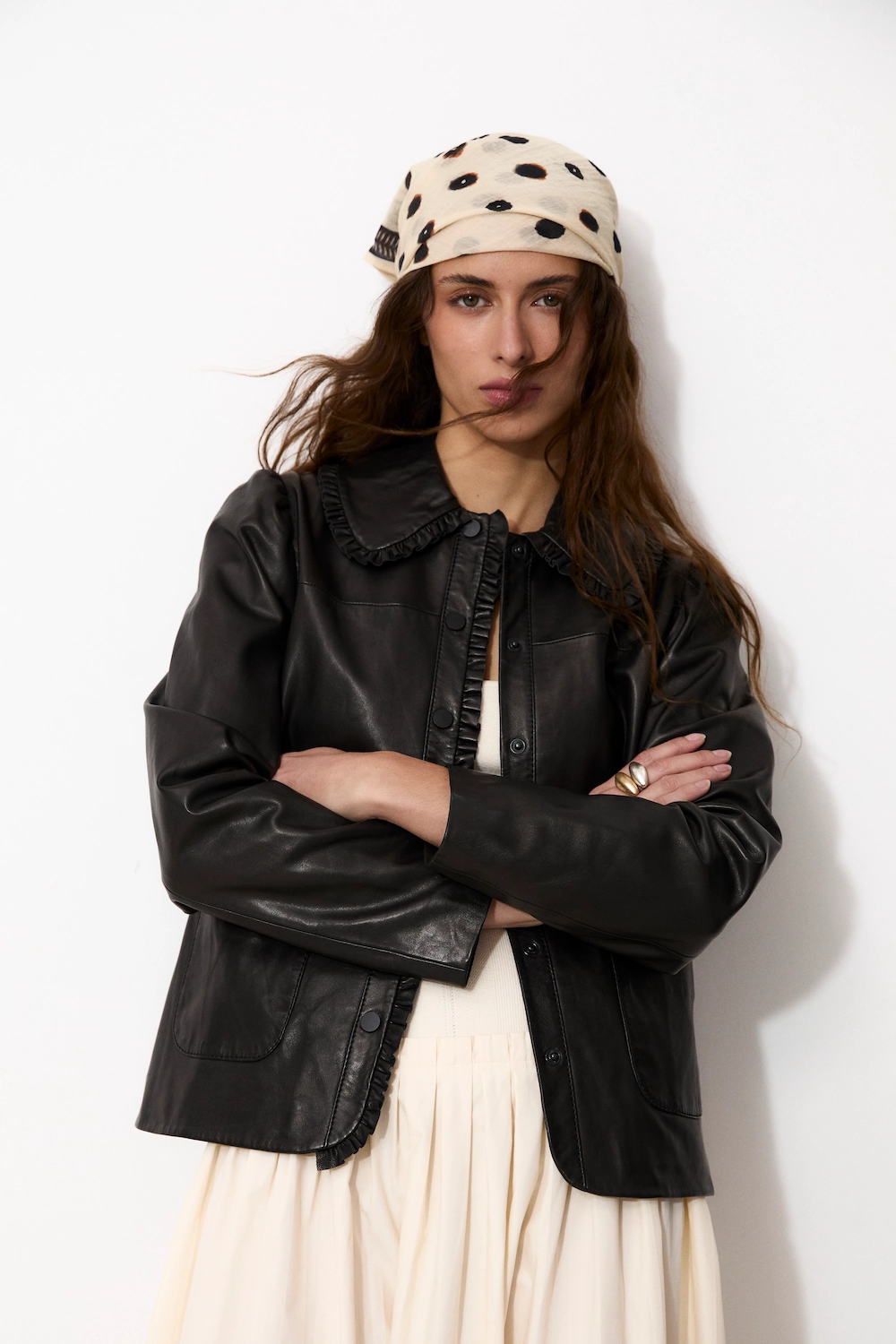
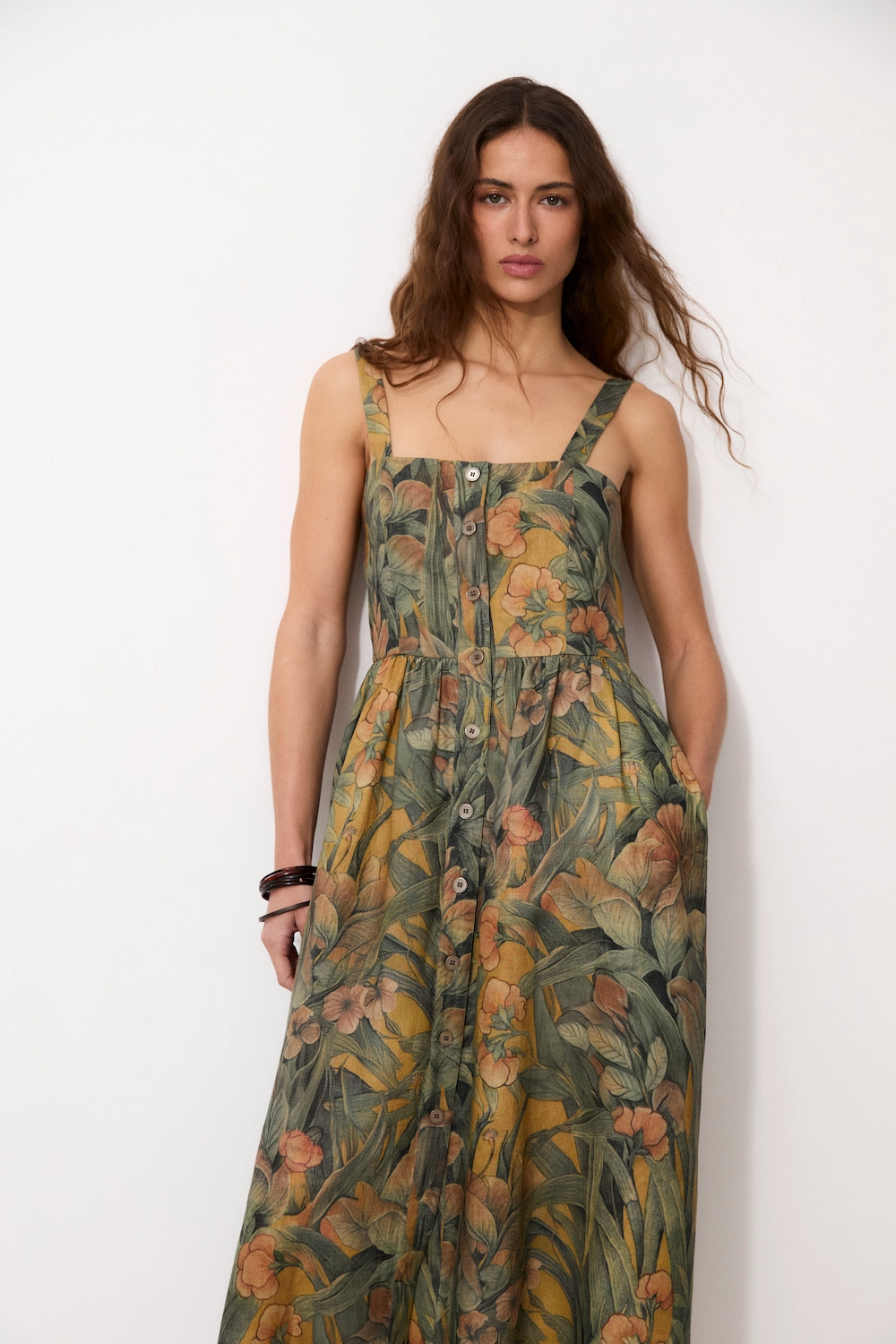
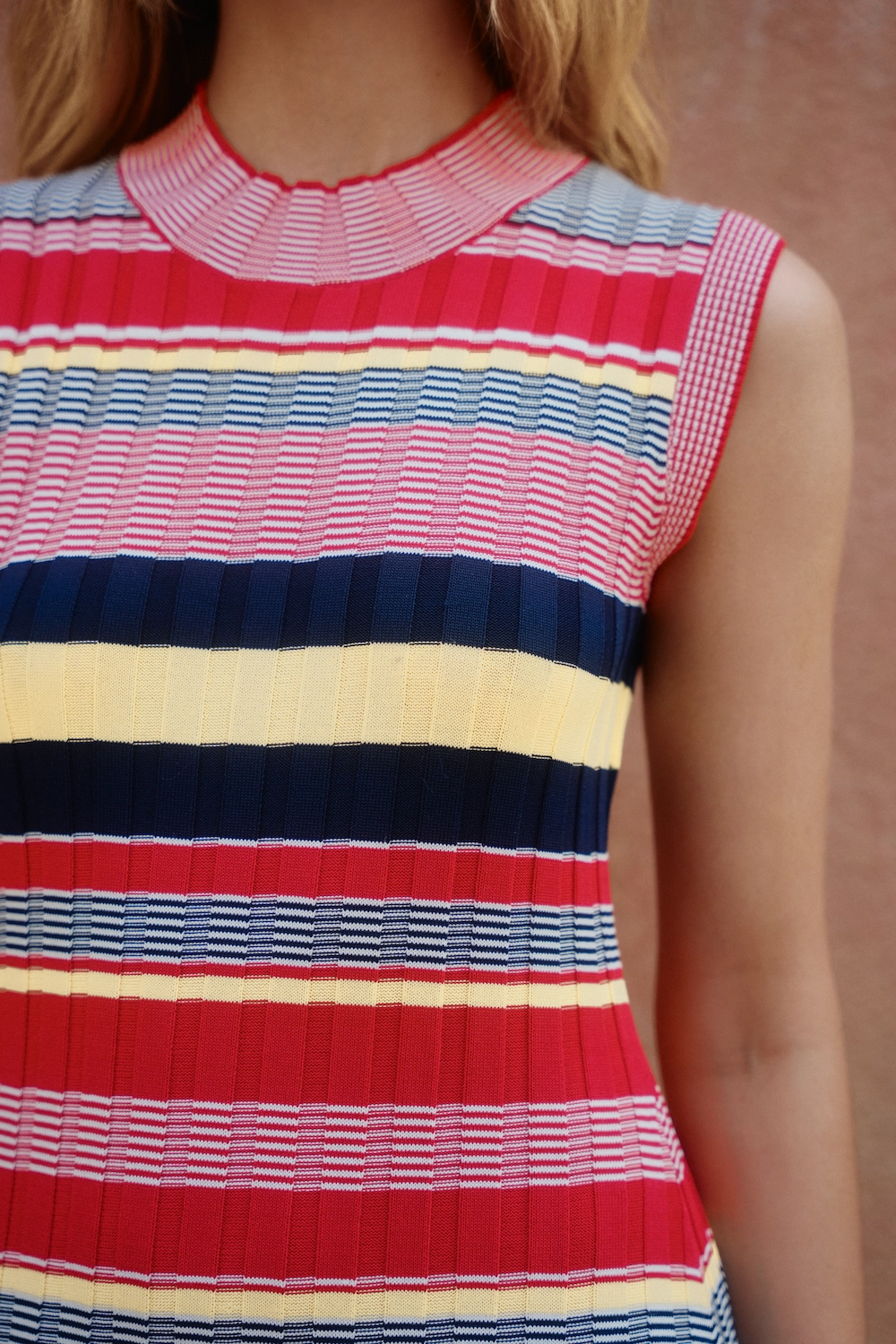
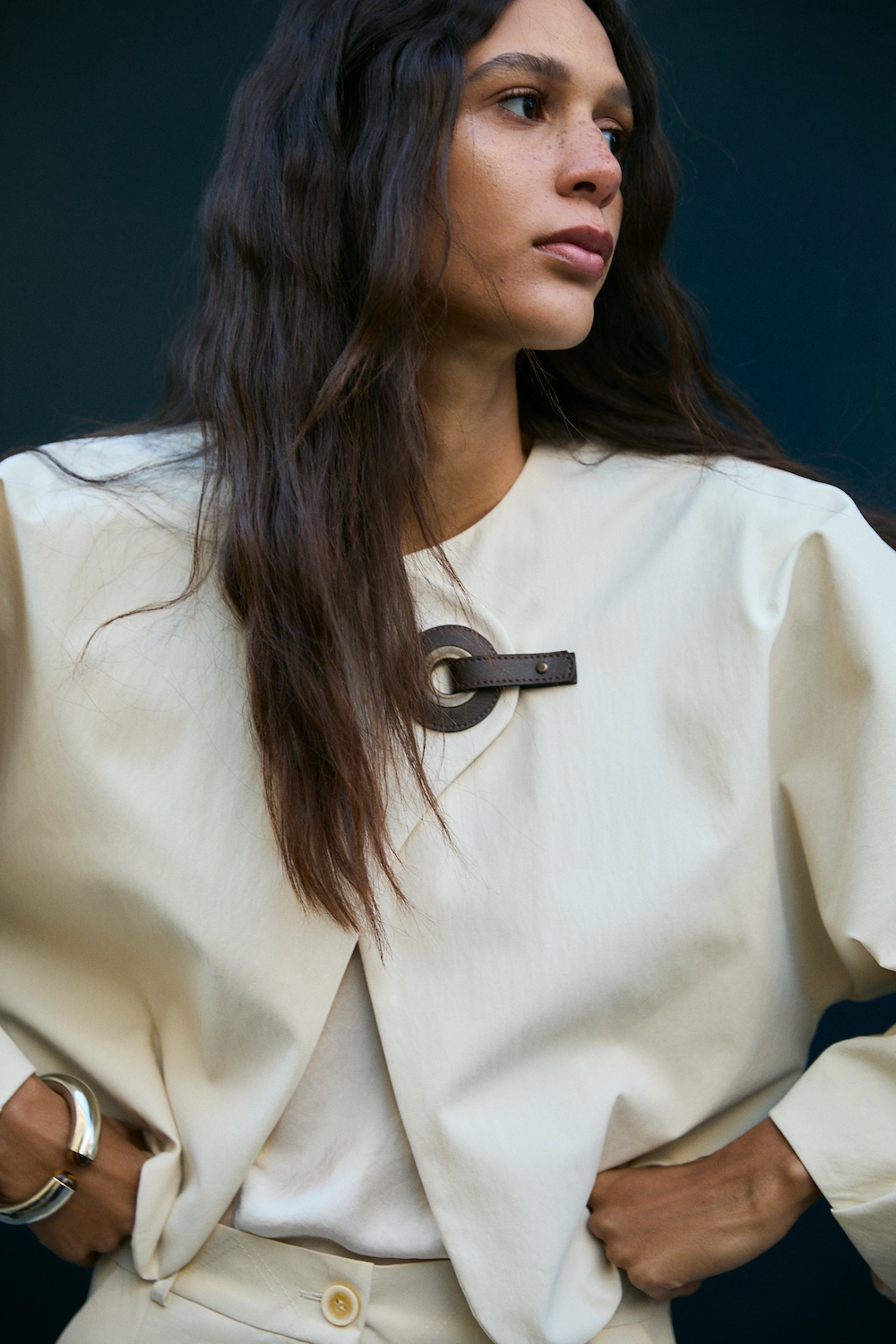
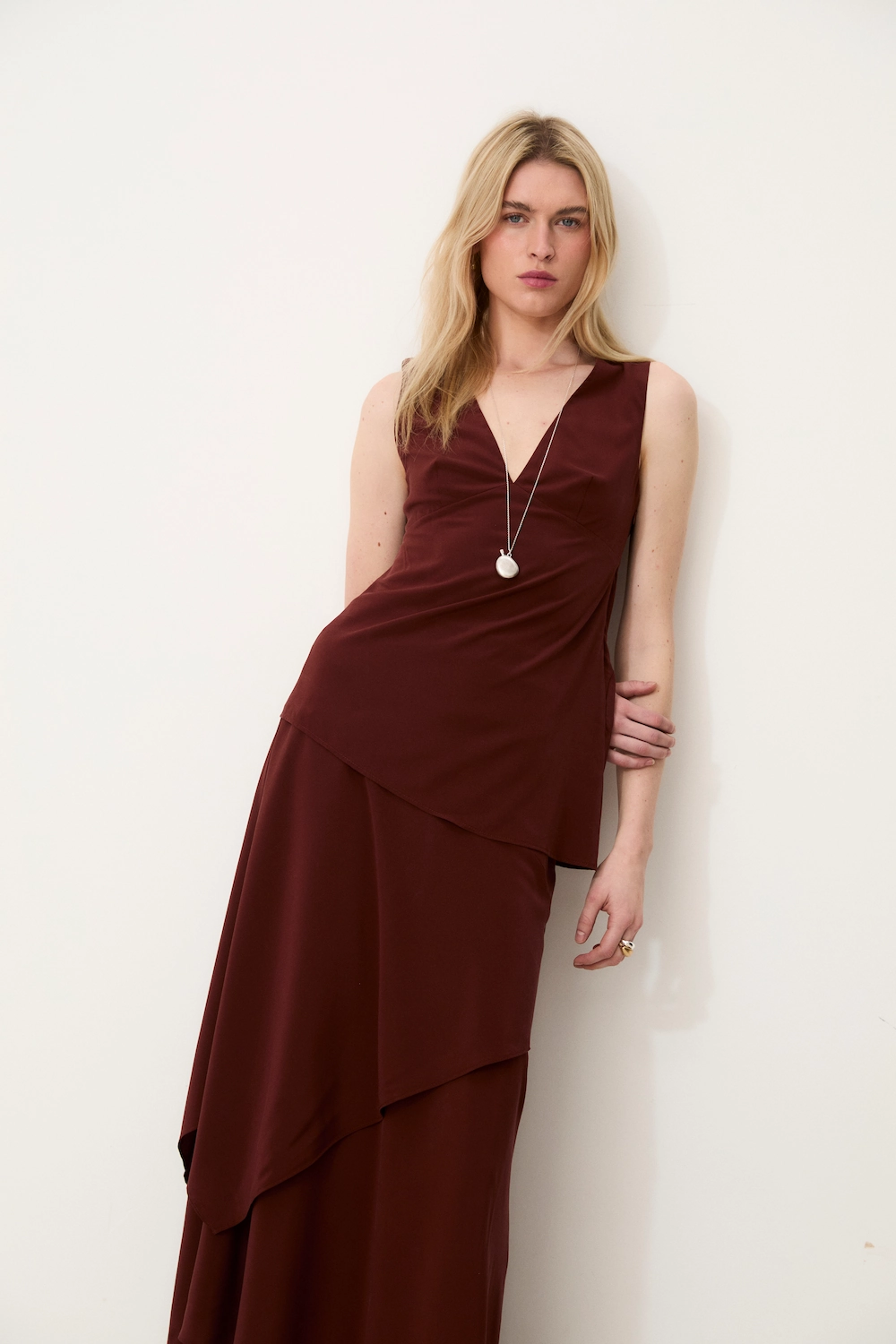
❴ Every piece, built from more than one origin ❵
Holding Many Places at Once
MAKSU does not have a single origin. Turkish manufacturing, Spanish identity, London scale, Italian fabrics, Indian embroidery. The brand has not tried to resolve this into something simpler.
Most brands pick a founding story and stay close to it. MAKSU has stayed genuinely multiple, which means coherence comes from decisions rather than heritage. Longevity over trend, limited production: the decisions are what hold the brand together, not the origin story.
The Turkish café in the London flagship is the clearest version of this. It is an insistence that the brand carries where it comes from into wherever it goes. Someone sitting with a coffee is not shopping, but they are inside MAKSU. That is what Selin means when she says the brand is about a way of living. The clothes are the most visible part of something that also includes where you are from and what you think is worth your time.
MAKSU has chosen to stay open to more than one place. That, more than any single origin, is what gives the brand its consistency.
Images courtesy of MAKSU
Discover more about MAKSU