
Some knowledge is learned slowly enough that you forget where it began
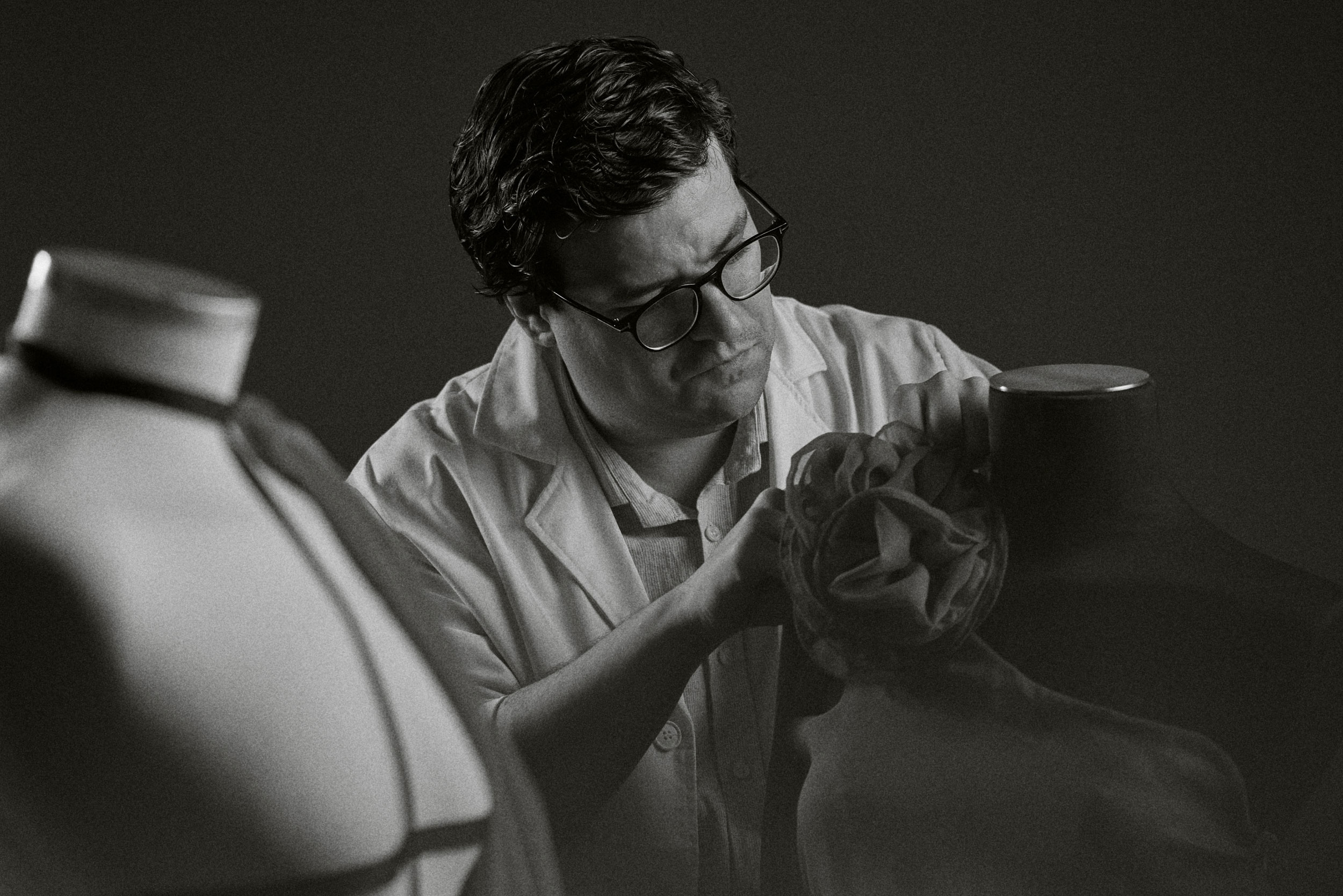
A conversation about inherited knowledge, patient work, and the things that can only be learned by staying close to the craft.
Fashion often frames craft as something recovered — a deliberate return to older ways of making. There are also brands where that conversation doesn’t quite apply, because the work never left.
Artôla Couture is one of them.
The brand was officially founded in 2023, though its real beginnings are harder to locate. They exist somewhere inside a workshop in Hernani, in the Basque Country, where Arkaitz González Artola grew up surrounded by fabric rolls, pins, patterns and long hours of manual work that, at the time, probably felt completely ordinary.
His mother, Loli Artola, had spent years working in textile production. Growing up around that environment, Arkaitz learned the technical side of the craft, but also something less tangible: that good work cannot be rushed. The brand carries her surname as a way of recognizing where it comes from.
Today, the workshop remains small. Everything is made there, by hand, under the direct supervision of Arkaitz and Loli. The collections move between structured tailoring, eveningwear and made-to-order pieces developed in close dialogue with each client. Fabrics are selected personally. Production stays deliberately limited. Nothing is outsourced.
Many brands use that language today. What feels different here is that the workshop still behaves like a real workshop — the actual center of the business, not a backdrop constructed for the image.
Things move as fast as the work allows them to move.
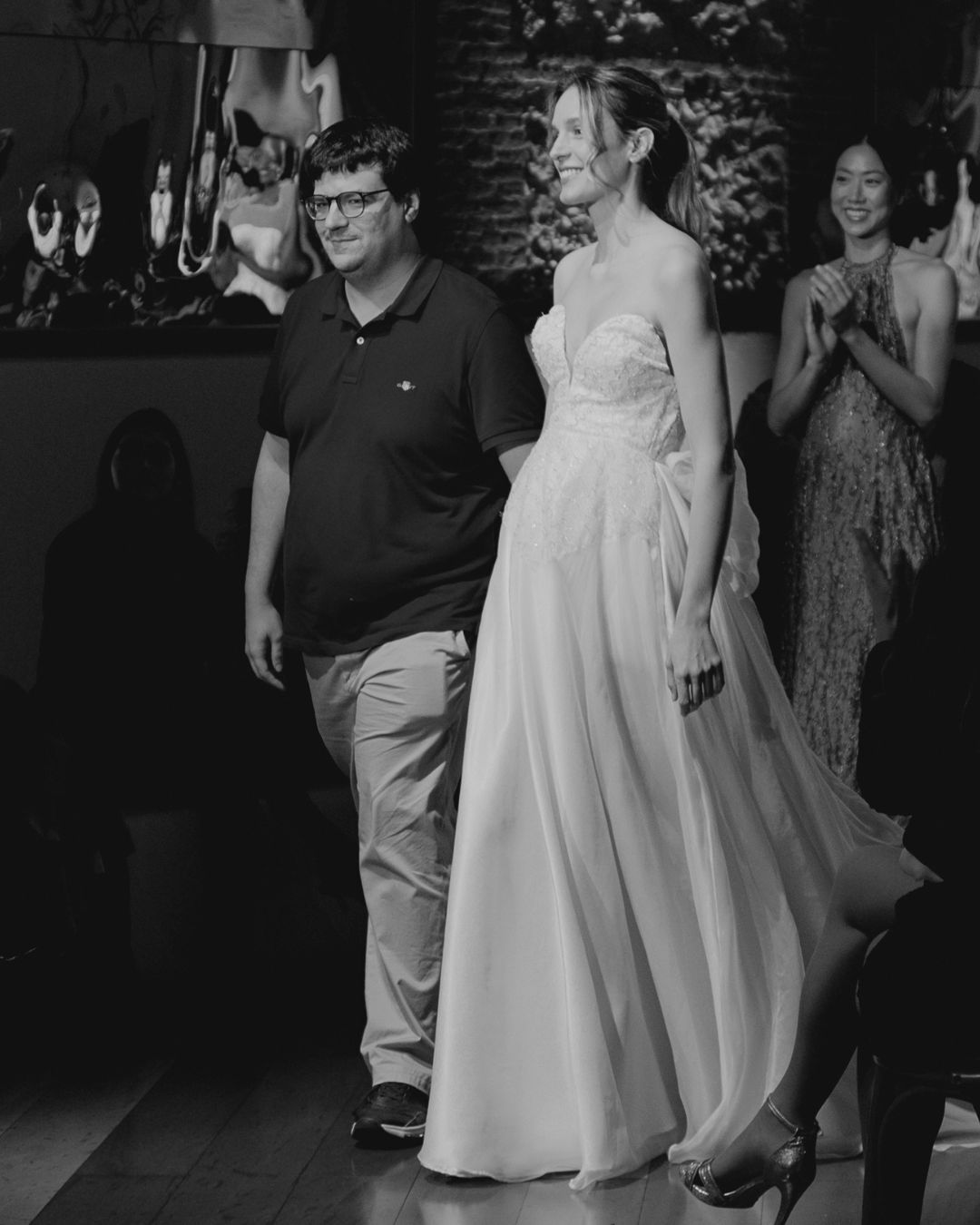
Who is behind Artôla Couture?
• Arkaitz González Artola
Founder and Creative Director. He oversees all aspects of Artôla Couture — from design and fabric selection to production, communication and direction. His background is in business management, combining administrative structure with a hands-on approach to the brand.
• Loli Artola
Dressmaker and lifelong craftsperson whose work shaped Arkaitz’s understanding of garment making from an early age. “Everything this is, she transmitted to me,” he says. The brand carries her surname in recognition of that origin.
The Dialogue
Artôla Couture was born from a small workshop, a controlled production model and a deliberate decision to build fashion at a pace the industry abandoned long ago. Arkaitz, what was the first thing you had to change about how you worked to make that model actually function?
Artôla Couture was born within a family environment deeply connected to fashion, so I haven’t really had to change the way I understand the craft. I grew up seeing it done this way: at a slow pace, with limited production and complete attention to each piece. More than a change, what has happened is an adaptation to today’s context. The real challenge has been translating that artisanal way of working into a contemporary setting — opening up to online sales, reaching new audiences, making a brand born from something very local project itself much further than its immediate surroundings.
“The real challenge has been translating that artisanal way of working into a contemporary setting”
You grew up surrounded by fabrics, patterns and needles. But childhood doesn’t process things as lessons — it simply absorbs them. What concrete memory from that time do you feel shaped you without anyone having to explain it?
The first memory I have is from when I was very small: I would go to my mother’s children’s clothing workshop and keep myself busy collecting the pins that fell on the floor with a magnet. But the memory that really stayed with me was watching her sew for hours — many times until very late at night, either by machine or by hand. That is where I understood something fundamental: this is a deeply demanding kind of work. Very different from the idealized, almost fantastical image that fashion so often sells of itself.
“This is a deeply demanding kind of work — very different from the idealized, almost fantastical image that fashion so often sells of itself”
Today, inside the workshop, when does that childhood learning appear without you having to look for it?
It is present constantly. Artisanal work demands time, patience and absolute dedication. We don’t work in series or outsource production, even though that would probably be the easiest path — and the most profitable, in purely business terms. Precisely because we do things differently, each piece requires enormous involvement. Everything passes through our hands, and that is what makes each piece genuinely unique. That awareness of the effort behind the craft is present every single day inside the workshop.
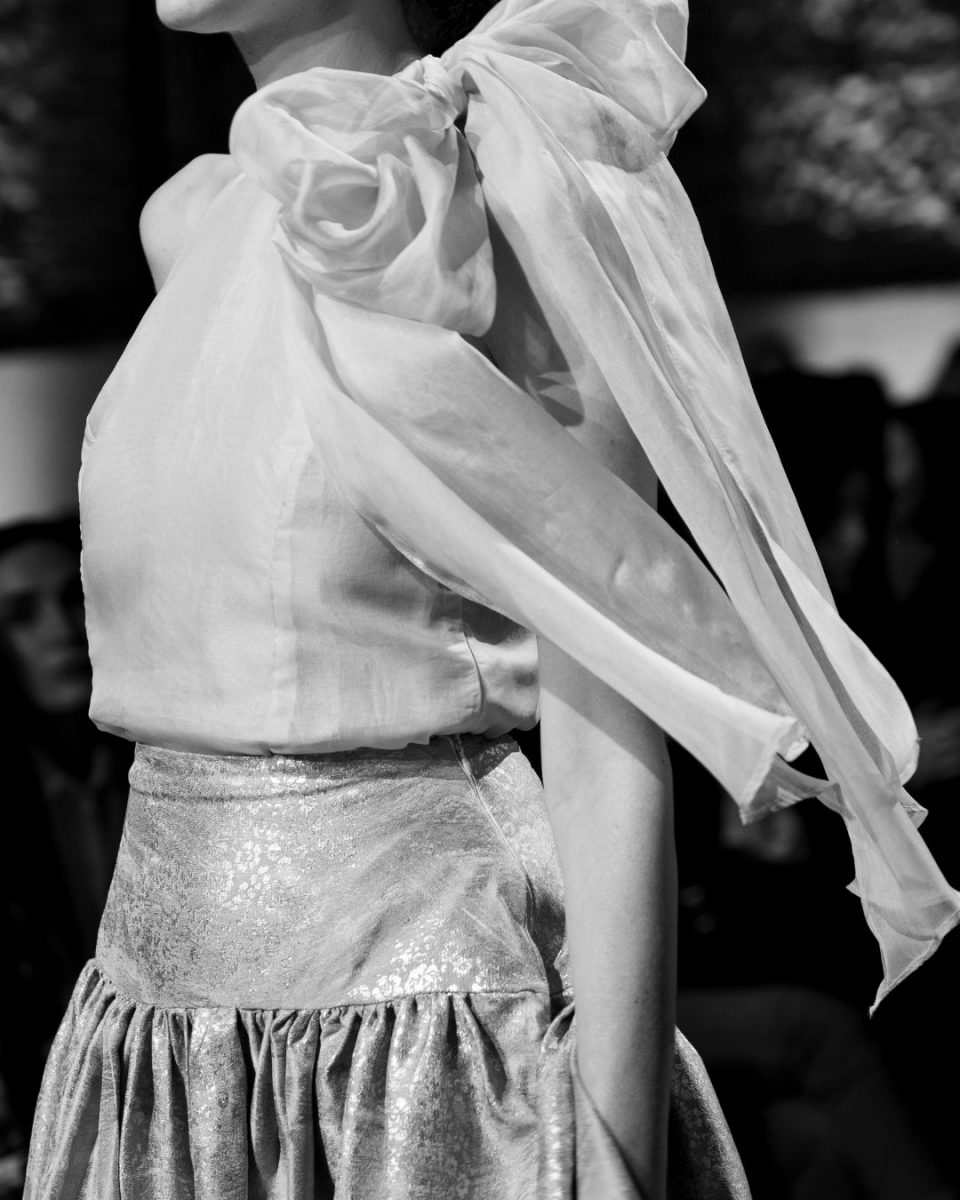
When you develop a piece at Artôla, from the initial idea through to the final construction, at what point do you know it is finished?
I think a garment never stops transforming while it is still inside the workshop. A workshop is, in a way, a constant laboratory. You begin with a clear idea, but during the process new possibilities emerge, or you discover that something you imagined simply doesn’t work. I couldn’t say exactly when you decide a piece is finished. It’s more of a feeling: there comes a moment when everything falls into harmony — when you understand that nothing is missing, but nothing more needs to be added either.
“There comes a moment when everything falls into harmony — when you understand that nothing is missing, but nothing more needs to be added”
Working alongside your mother means the workshop and the family share the same space. In what moments do your perspectives on the same decision pull in different directions?
It happens quite often. The differences tend to appear during the design process — especially when something isn’t quite working and we’re looking for solutions. She brings enormous experience and deep knowledge of the craft. I, perhaps, bring a more current and more daring perspective. That is where the contrasts appear — and precisely from that mix come many of the most interesting decisions.
“She brings enormous experience and deep knowledge of the craft. I, perhaps, bring a more current and more daring perspective”
Working to order means building each piece for a specific person. What part of the process becomes more demanding when you already know who will wear that garment?
In reality, the entire process demands a great deal. But when you’re making a piece to measure, there’s an added pressure — especially up until the first fitting. There’s always a degree of uncertainty at that point. When someone trusts us to create a piece for an important moment in their life, we feel the responsibility of living up to that trust. And that makes the level of demand absolute, right down to every detail.
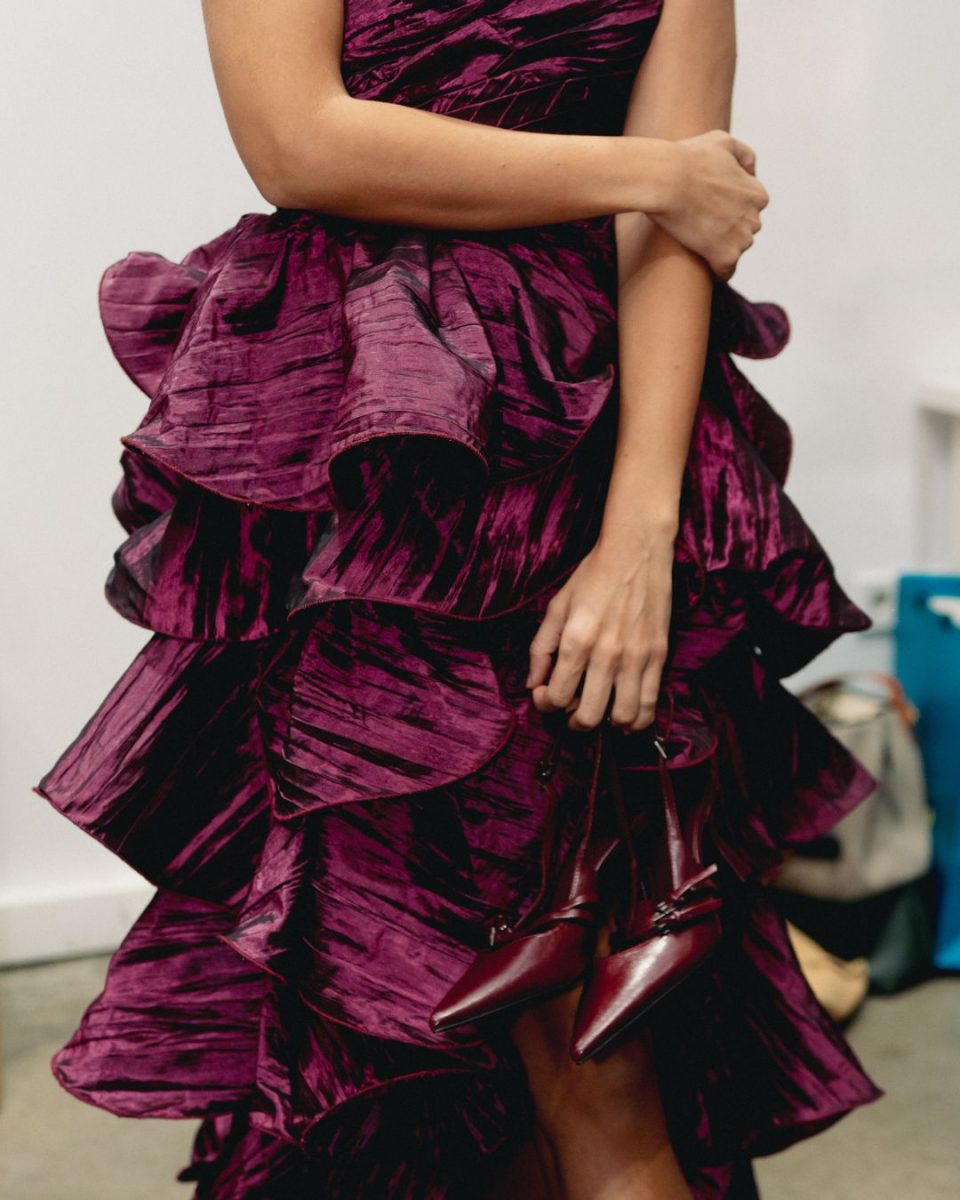
More than a type of client, has there been a specific commission that changed how you understand what you do at Artôla?
Yes. I remember a client from Madrid particularly well. She had seen a coat from one of our collections and asked us whether we could make her a jacket using the same fabric. The result pleased her so much that, barely a week later, she commissioned the same piece in a different fabric. That moment made me understand that we needed to move beyond the fixed collection and commit more clearly to a personalized approach — one tailored to what each person is actually looking for.
In a system where much of the industry outsources its processes, you keep everything inside the workshop. What becomes harder because of that decision, and what is only possible precisely because of it?
The main reason for not outsourcing is absolute control over each piece. Everything feeds directly into the quality — from the selection of fabrics to the final stitch. The hardest part is that this model forces us to stay small. In such a competitive industry, working this way often limits our capacity to invest in visibility or growth. Outsourcing can be more economically efficient and allows for faster growth, but it also means a much more impersonal, serialized production. We prefer to accept the limitations of a smaller model in exchange for preserving the artisanal value of each piece.
“We prefer to accept the limitations of a smaller model in exchange for preserving the artisanal value of each piece”
The names of your collections are in Euskera. It is not a decorative gesture, there is something more personal behind it. What does it mean to you that that language is present in every piece that leaves the workshop?
Being from the Basque Country and having the workshop here, we feel it is important for that identity to be present in the brand. Naming our most special collections in Euskera feels like a natural way of maintaining that connection to our origins. We also understand fashion as a form of culture. And in a way, we like to think that we can transmit part of Basque culture through what we make.
“We understand fashion as a form of culture. And we like to think we can transmit part of Basque culture through what we make”
Arkaitz, is there something that fashion has demanded of you over these years to which you have simply said no?
Yes: the constant need to produce novelty. There came a point when we had to say enough to that relentless rhythm of continuous collections. The industry pushes you to launch a summer collection, then a winter one, then a pre-fall, a resort, one specifically for wedding guests — and so on, endlessly, because today fashion seems to need new trends at all times. But in an artisanal business like ours, that simply isn’t viable. Our way of working needs time — both to make the garments and for them to be understood and appreciated. And even if that is sometimes hard to explain within the sector itself, it is the position we have chosen to defend.
“Our way of working needs time — both to make the garments and for them to be understood and appreciated”
By hand, start to finish
Artôla Couture carries a maternal surname, but the brand itself is built on a collaboration.
Loli Artola brings decades of experience in garment construction. Arkaitz brings a different perspective: the decision to transform that knowledge into a contemporary fashion brand without separating it from the workshop where it was learned.
“There is no stage where attention gets handed to someone else”
What makes Artôla interesting is not simply that the craft was inherited. It is that the inheritance remained active. The knowledge stayed inside the work, inside the decisions, inside the daily process of making clothes.
Inside the workshop, those two ways of working overlap.One contributes experience accumulated over decades; the other asks how that experience can continue to evolve without losing what made it valuable in the first place.
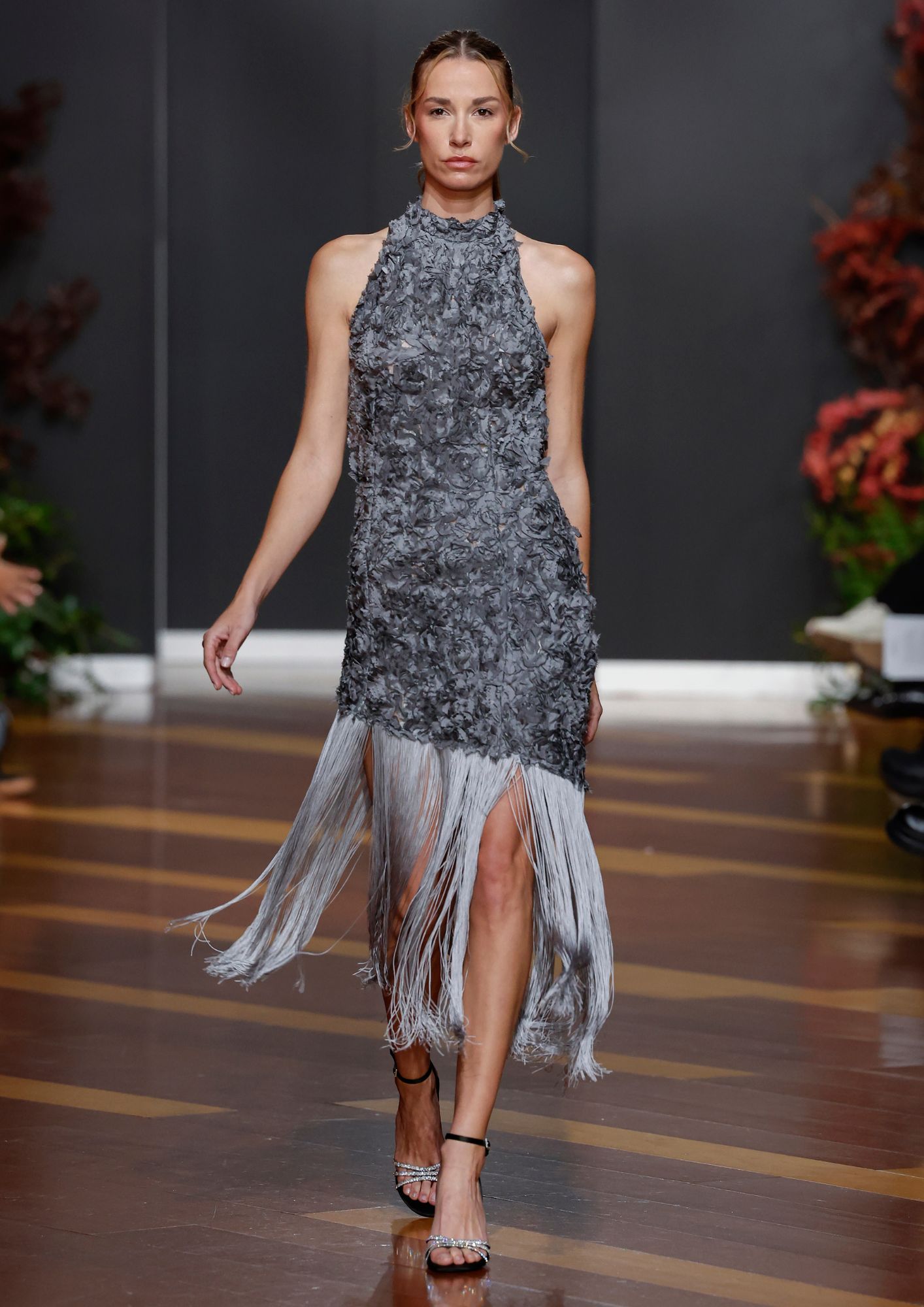
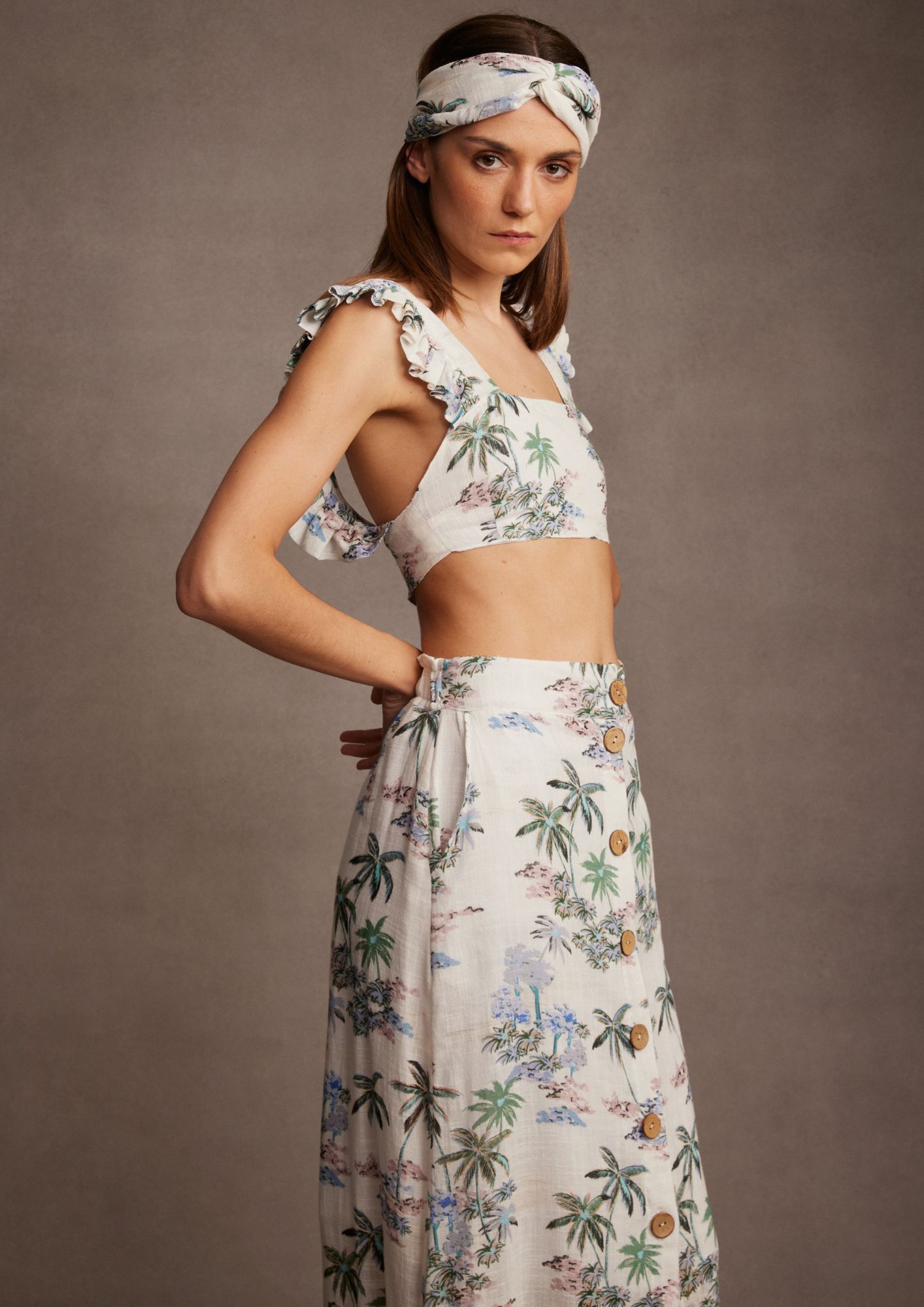
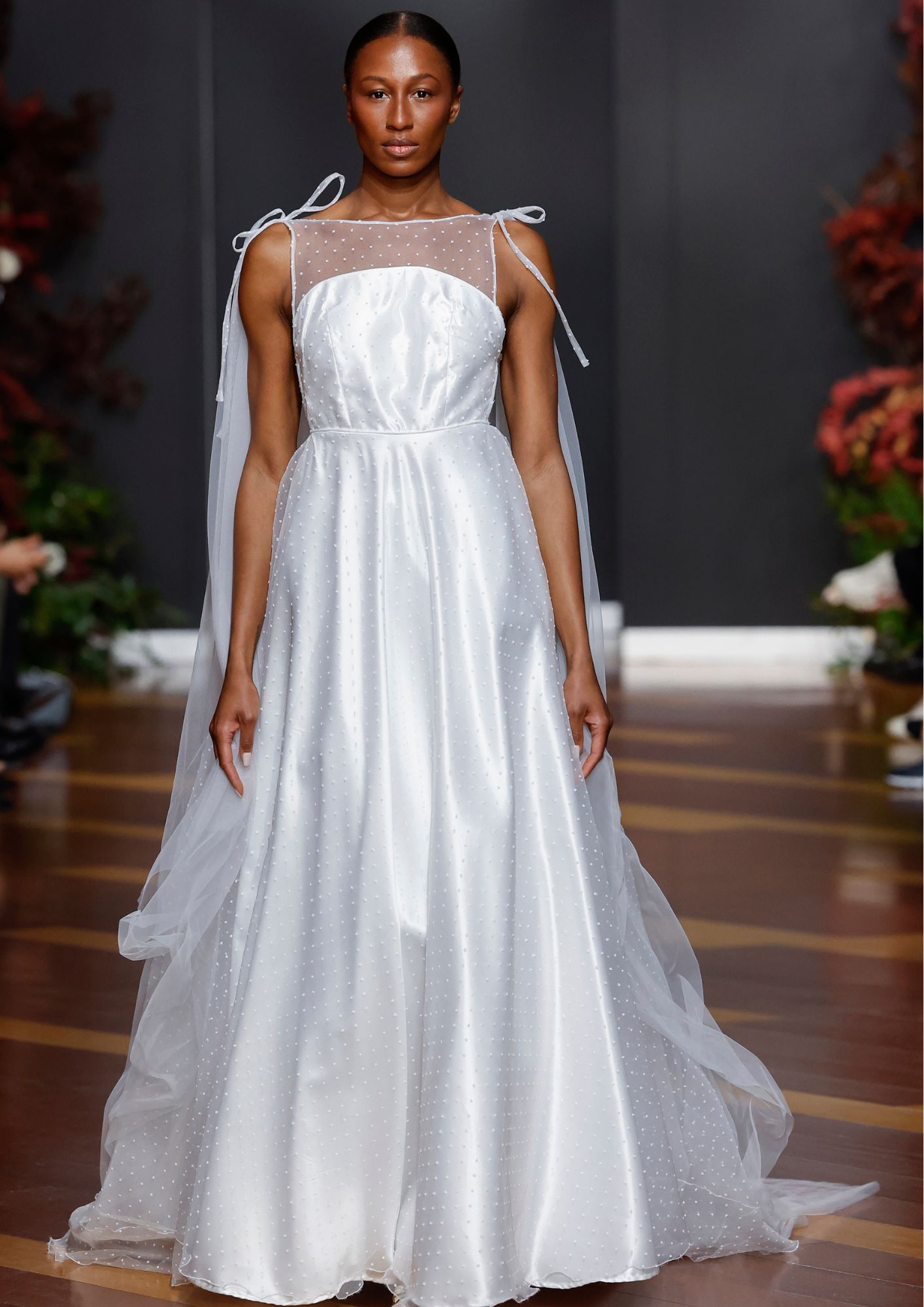
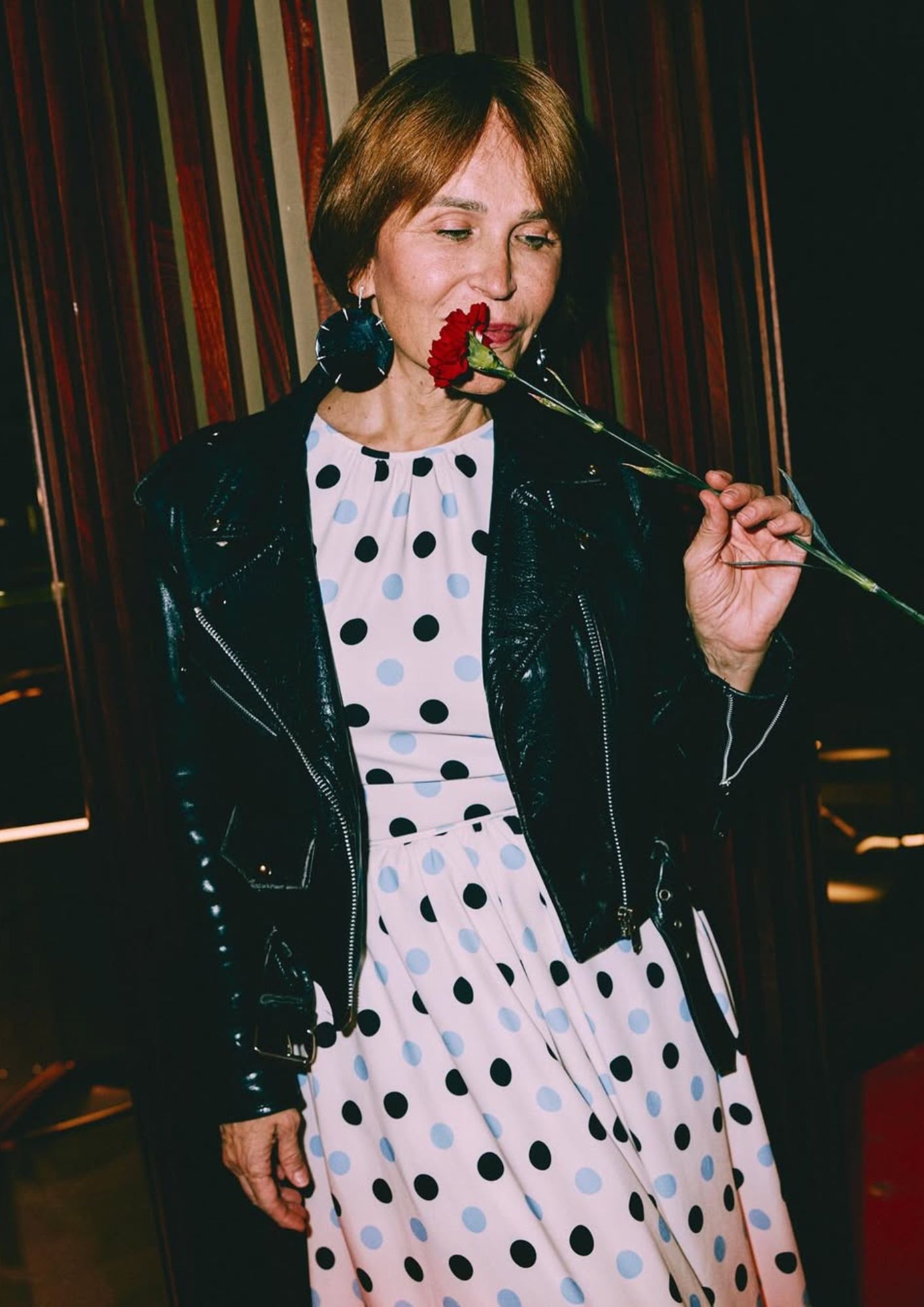
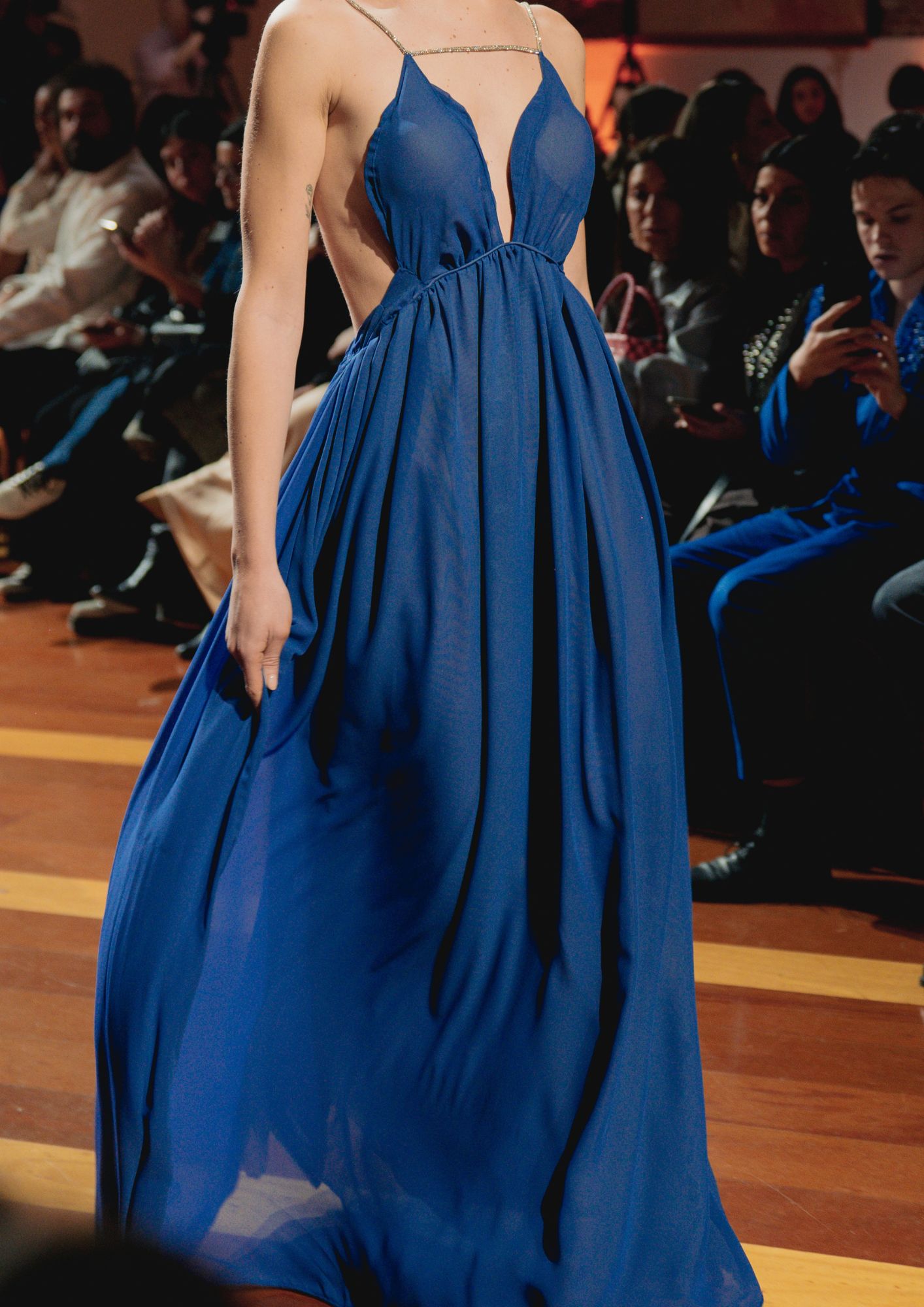

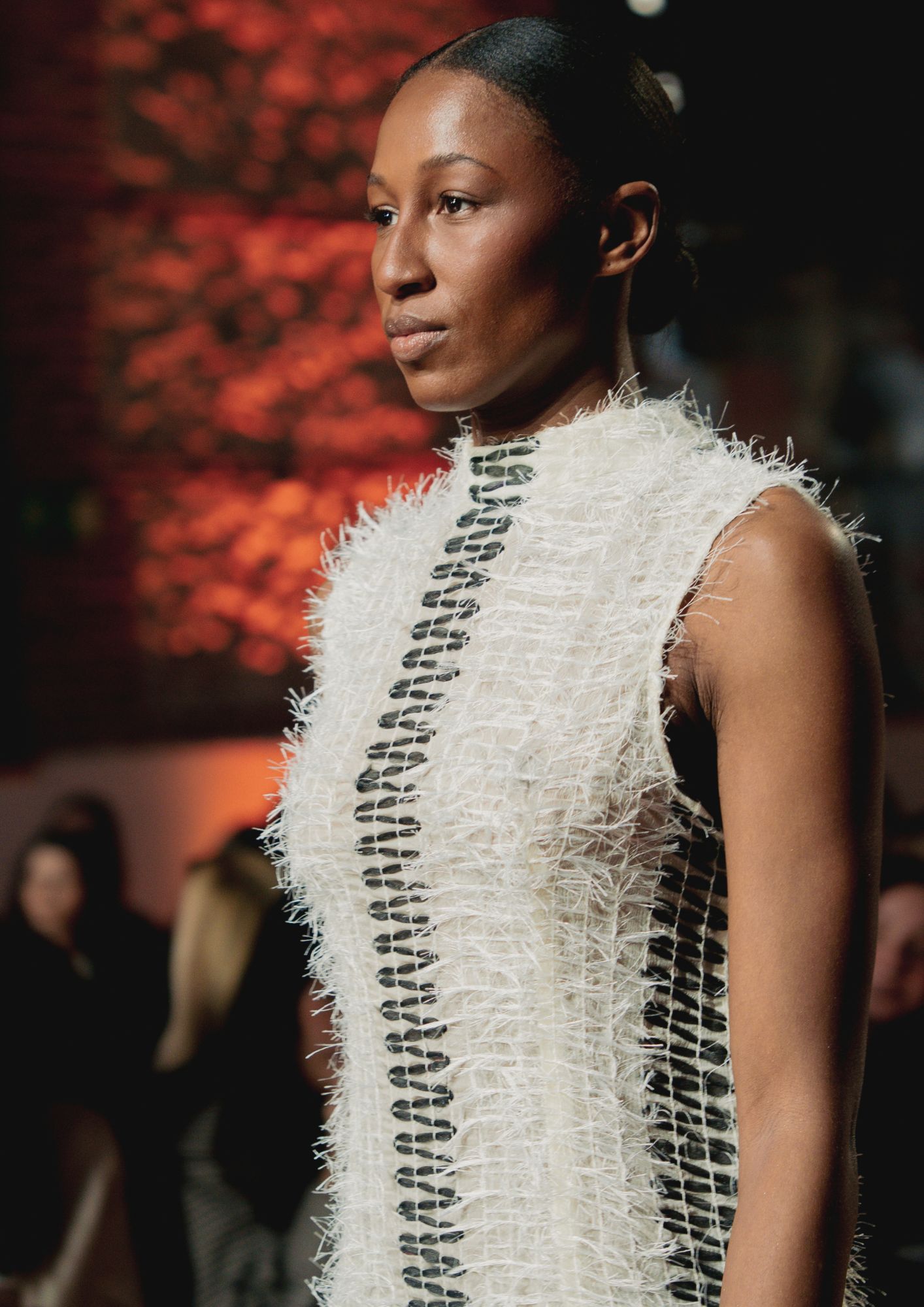
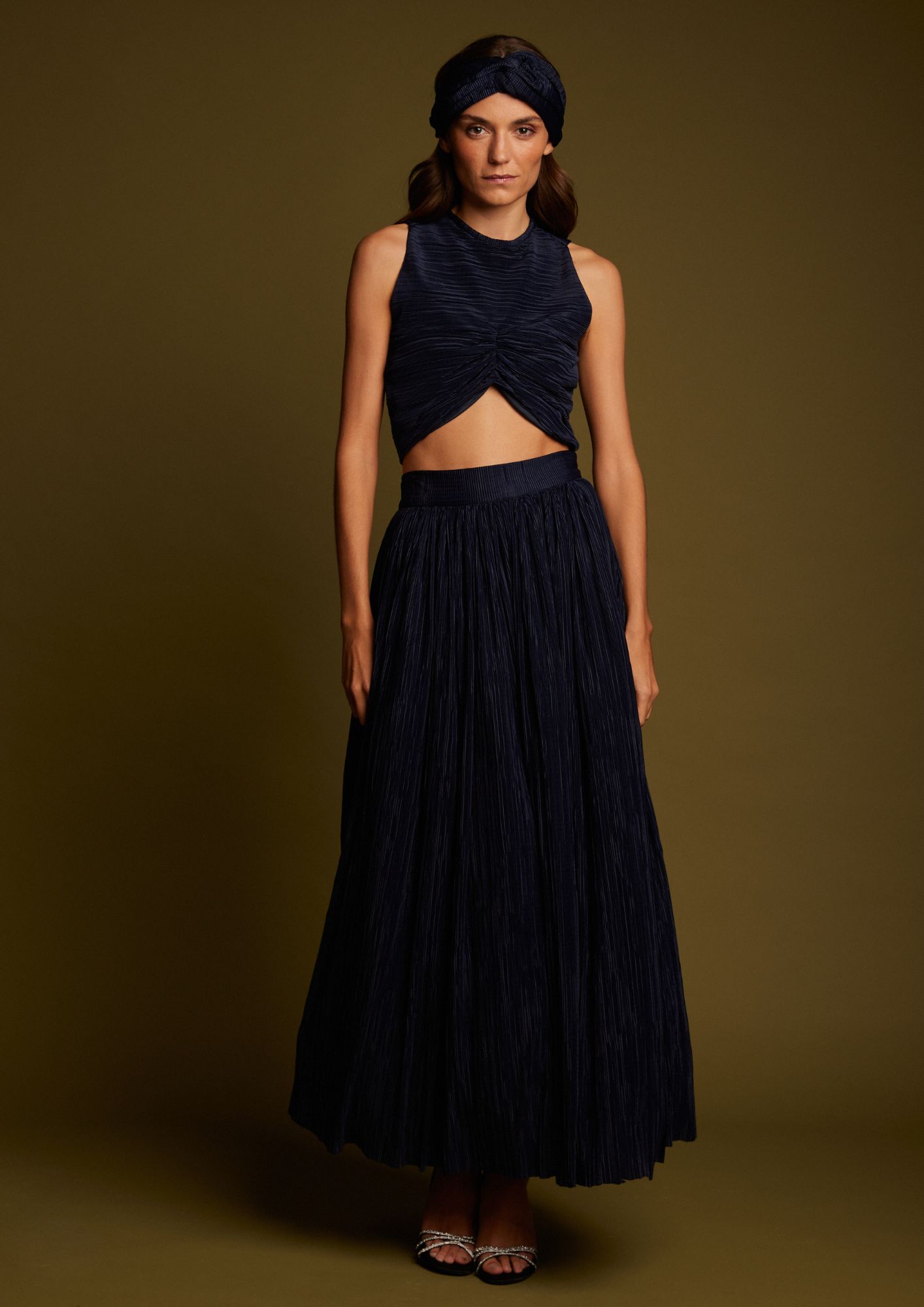
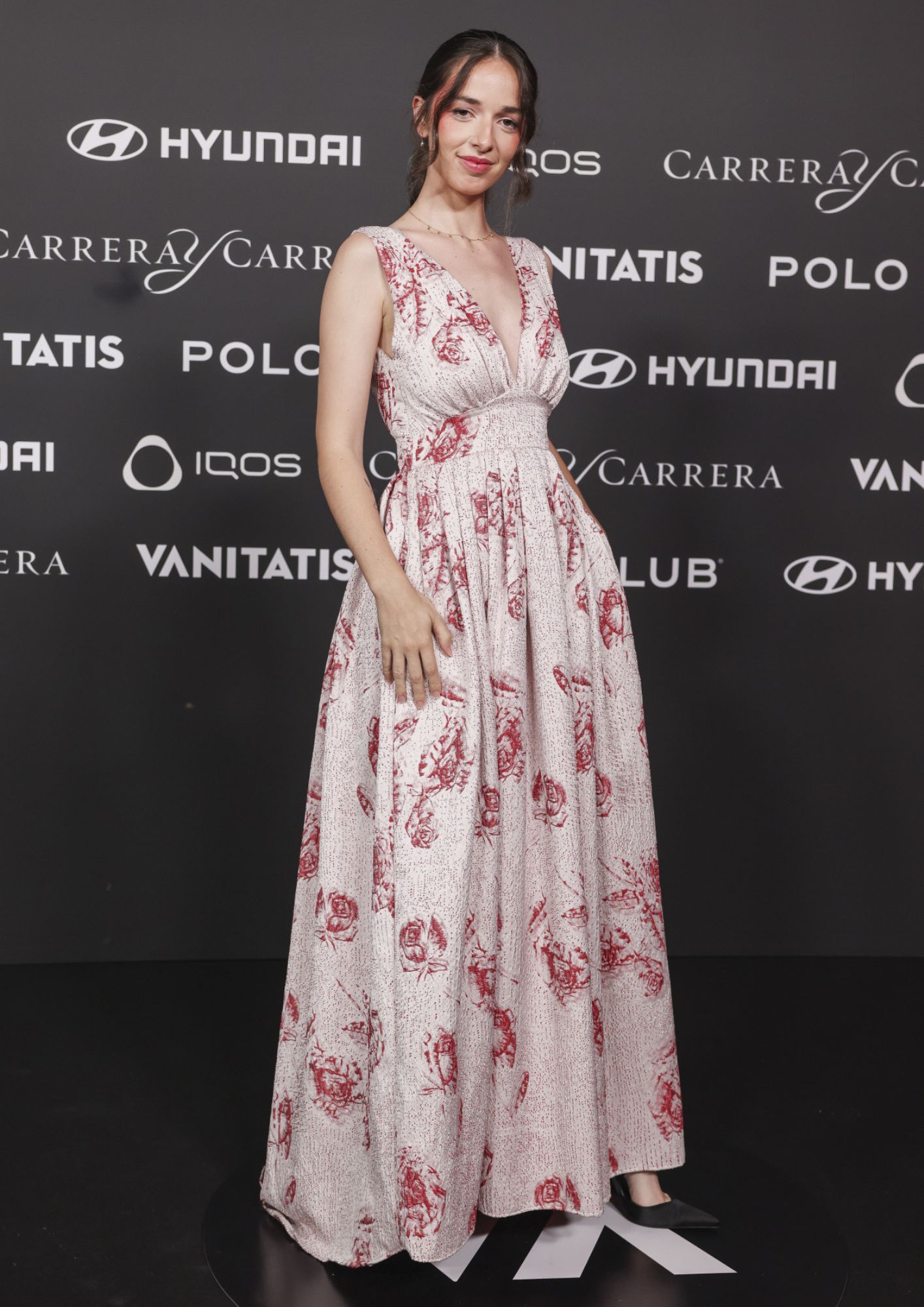
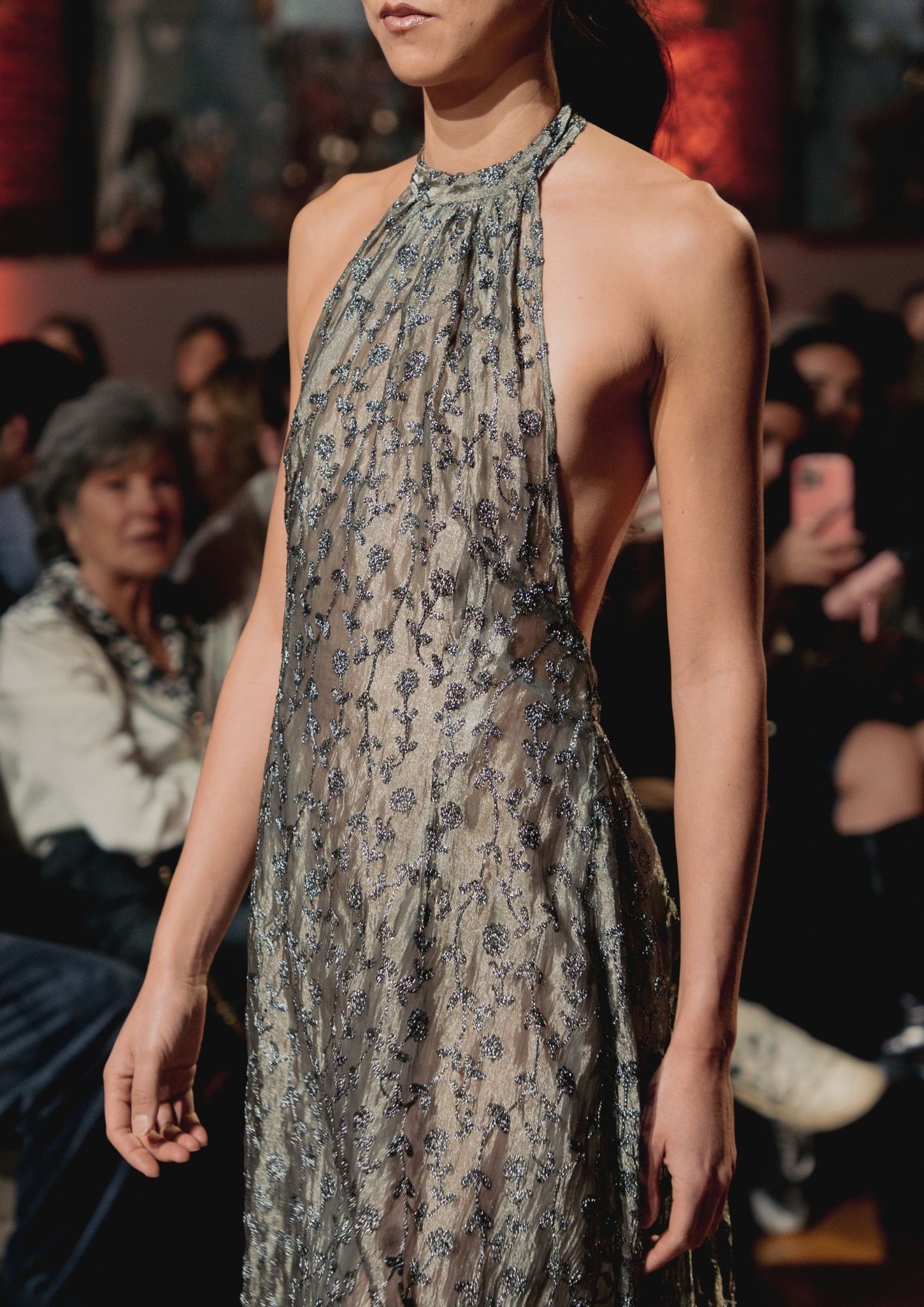
A piece made here passes through the same hands from beginning to end. Sketches become patterns. Patterns become fittings. Adjustments become final garments. Every stage remains connected to the one before it.
The brand arrived recently. The work that made it possible has been happening for much longer.
❴ Familia, maitasuna eta josturak ❵
Speed is someone else’s problem
Artôla Couture cannot run on fashion’s commercial calendar. Two people, one workshop, everything made by hand — the math doesn’t work. But that is not really the point Arkaitz is making when he talks about saying no to continuous collections. The point is something slightly different: that certain forms of knowledge need time not just to produce, but to be understood.
“Slow? Yes. But everything here is made to dress a body, not fill a landfill”
A coat becomes a jacket because a client in Madrid asked a question. The jacket gets ordered again in a different fabric because the first one was right. That is how Artôla learns what it is — through specific conversations with specific people, not through trend cycles. The collection is not the starting point. The person is.
Working to order means nothing exists until someone asks for it. The clothes are not designed in anticipation of a market. They come into existence because a particular person needed something particular, and the workshop had the skill to make it.
That is a very old model. Artôla is not making an argument about it. It simply works at the pace the work requires — and that, it turns out, is enough.
Discover more about Artôla Couture