A brand that understands luxury as the intersection of craftsmanship, art, and aesthetics
There are many ways of understanding fashion, but only a few brands manage to translate it into an artistic expression, turning time into their raw material. Distinguishing between the two is, in itself, a way of understanding it.
Candelas y Felipa. Two ancestors who sewed and embroidered at a time when making clothes was simply making clothes — without narrative, without positioning, without seasons. Naming the brand after them was more than a romantic gesture. It was a statement of method: here, things are made as they made them. With time, with judgement, with hands.
Founded in 2014 in Alcázar de San Juan, in the heart of Castilla-La Mancha, Candelas y Felipa has built, over twelve years, a creative language that feels almost anachronistic in its consistency. Each collection takes nearly a year to develop. Each piece passes through hands that master crafts recognised as Intangible Cultural Heritage. Every decision — of material, of artisan, of form — responds to the same question Maite and Guillermo have asked from the beginning: is this worth the time we are giving it?
With EL ALCÁZAR, their proposal for Barcelona Bridal Fashion Week, the answer is visible in every stitch.
Backstage. Hours before the show, Guillermo, Creative Director of Candelas y Felipa, takes us into the process that the runway does not reveal: the thinking behind form.
Who is behind Candelas y Felipa?
• Maite
Co-founder. The living memory of the project. Her understanding of fashion is rooted in heritage: the idea that what is inherited gains value when it is transformed without losing its essence.
• Guillermo Román
Co-founder and Creative Director. He translates that legacy into proposals that dialogue with the present without surrendering to its urgency. His process begins beyond trends. It starts, in his own words, with “a kind of anxiety to see it finished”, an intuition that tells him what is worth exploring and what is not.
The Dialogue
You create from Alcázar de San Juan, in the heart of Castilla-La Mancha, far from the main fashion capitals. How has this geographical and cultural origin influenced your identity as a brand, and what does your territory have that you would not find anywhere else?
We create from our origin, with the peace and serenity that comes from having very deep roots. That allows us to maintain a creative language that explores different areas, but is always articulated from respect for our land, its traditions, and its legacy. In each collection we try to ensure that there is always a dialogue between what we do and La Mancha, especially through the work of our artisans.
In a sector where speed and mass production dominate, you choose high craftsmanship and fully handmade work. What does that mean in the day-to-day life of the brand, what do you sacrifice and what do you gain from that decision?
It is a decision we made from the very beginning. We did not want to create just another mass-produced fashion brand, we wanted to do something that truly goes beyond the textile production aspect and becomes more artistic, with soul.
That is where working hand in hand with artisans comes in, to make each collection something truly unique, but above all, something made with time, without rush. We understand that we do not sacrifice anything; on the contrary, we feel fortunate to work this way and to contribute with our Haute Craftsmanship to the future of artisanal luxury.
“We wanted something more artistic, with soul”
How do you find the balance between cultural heritage and a contemporary perspective without falling into folklore or modern coldness?
We have a creative language that we have been developing over the years, which allows us to create from different perspectives: tradition, avant-garde, art, and folklore. The thing is that we are not obvious when we design, and that is what makes us so special. We enjoy the fact that those who see our collections gradually guess what it is about; that is a job well done for us.
Process becomes visible.
How does a collection begin in your hands, and at what point in the process do you feel that the idea has taken shape and its own direction?
It always starts from an idea that truly moves us. If that emotion appears, that kind of anxiety to see it finished, it means that this is the subject we should explore. That motivation leads us to look for other elements, themes that can dialogue with each other to enrich the proposal. We make sketch after sketch, we discard and we create, like this for months. Little by little everything starts to make sense and that is when the artisans and the textile come in. It is a process that easily lasts a full year of work.
“We are not obvious in our design”
You work with artisans from Castilla-La Mancha: marquetry makers, damascene craftsmen, basket makers, embroiderers. What are these collaborations like, how do you choose who to work with, and what do these hands bring to the final result of each piece?
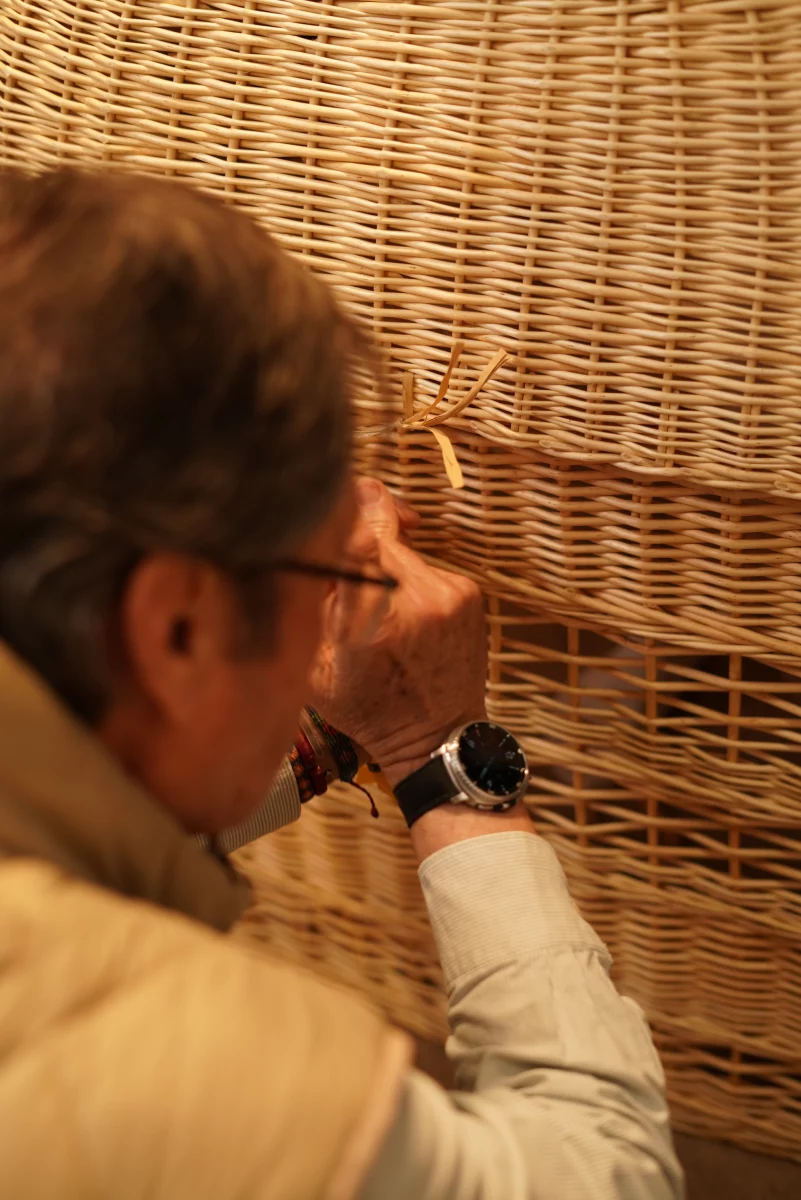
We would love to be able to work with all artisans, but it is not always feasible. You choose them according to what you want to develop, because they are an active part of the process and must be perfectly aligned with it. It is a team effort; they contribute to you and you contribute to them. What you ask of them is that they are able to step outside their daily work and see how their technique can create completely different things.
When you design, who is the woman you have in mind? Not in terms of a client profile, but in human terms: what is she like, what does she feel, what does she need a garment to do for her on one of the most important days of her life?
She is an extremely elegant woman because she knows herself completely. We imagine a woman who values herself above all, who values what is different. A woman who knows that there is nothing more wonderful than walking with the calm that comes from being true to her principles.
Looking ahead, what is it that you still haven’t been able to express with Candelas y Felipa and are waiting for the right moment to say?
There is still a lot to say. Too much, and we know we will achieve it because our project is grounded in truth, and that is what we rely on. We will continue to commit to the value of human and material craftsmanship, and through that we will keep shaping our vision of true artisanal luxury.
“A woman who knows that there is nothing more wonderful than walking with the calm that comes from being true to her principles”
EL ALCÁZAR at Barcelona Bridal Fashion Week: the construction of a language
April 24th. The closing day of Barcelona Bridal Fashion Week. Candelas y Felipa did not arrive to be just another brand — they arrived to propose something else.
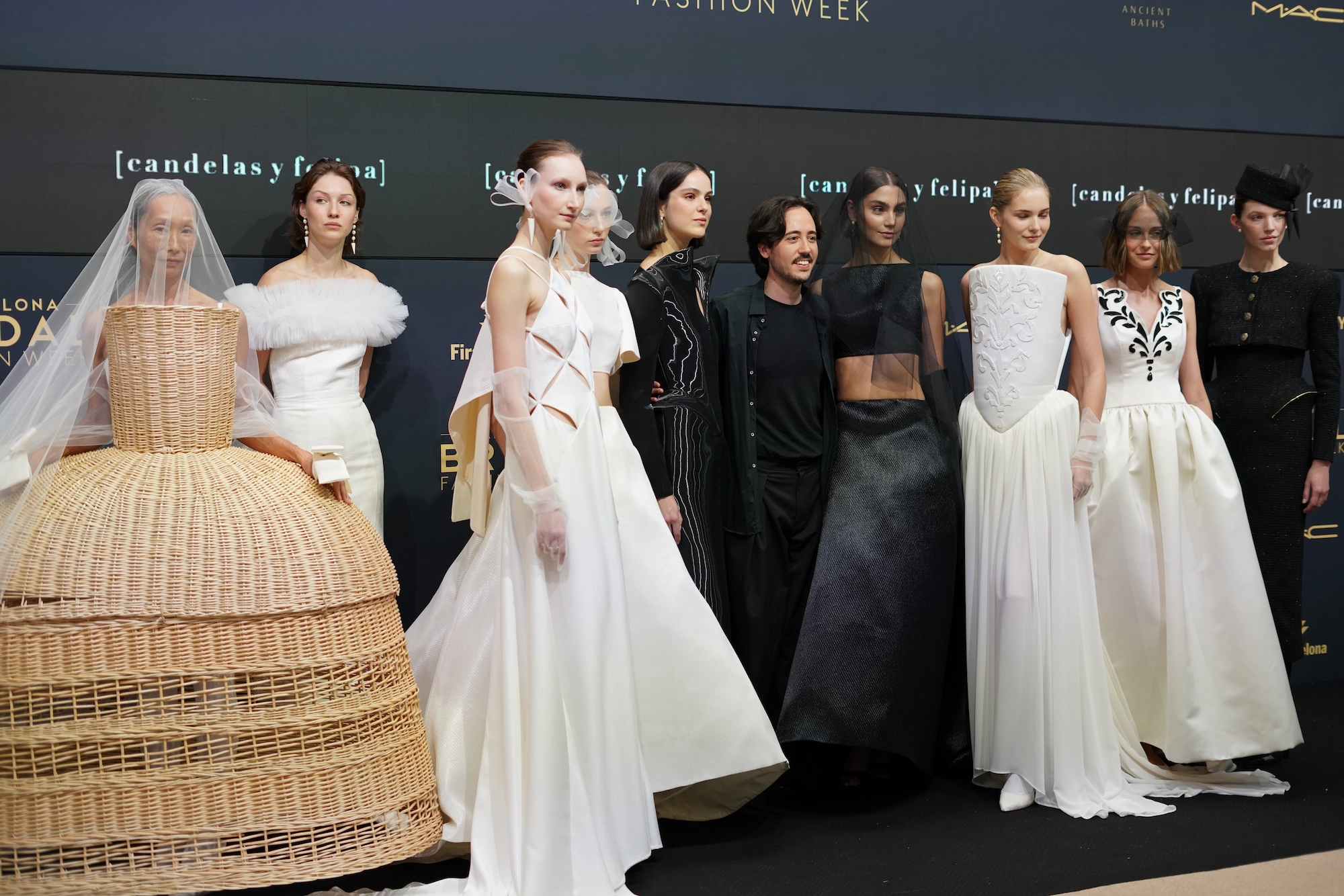
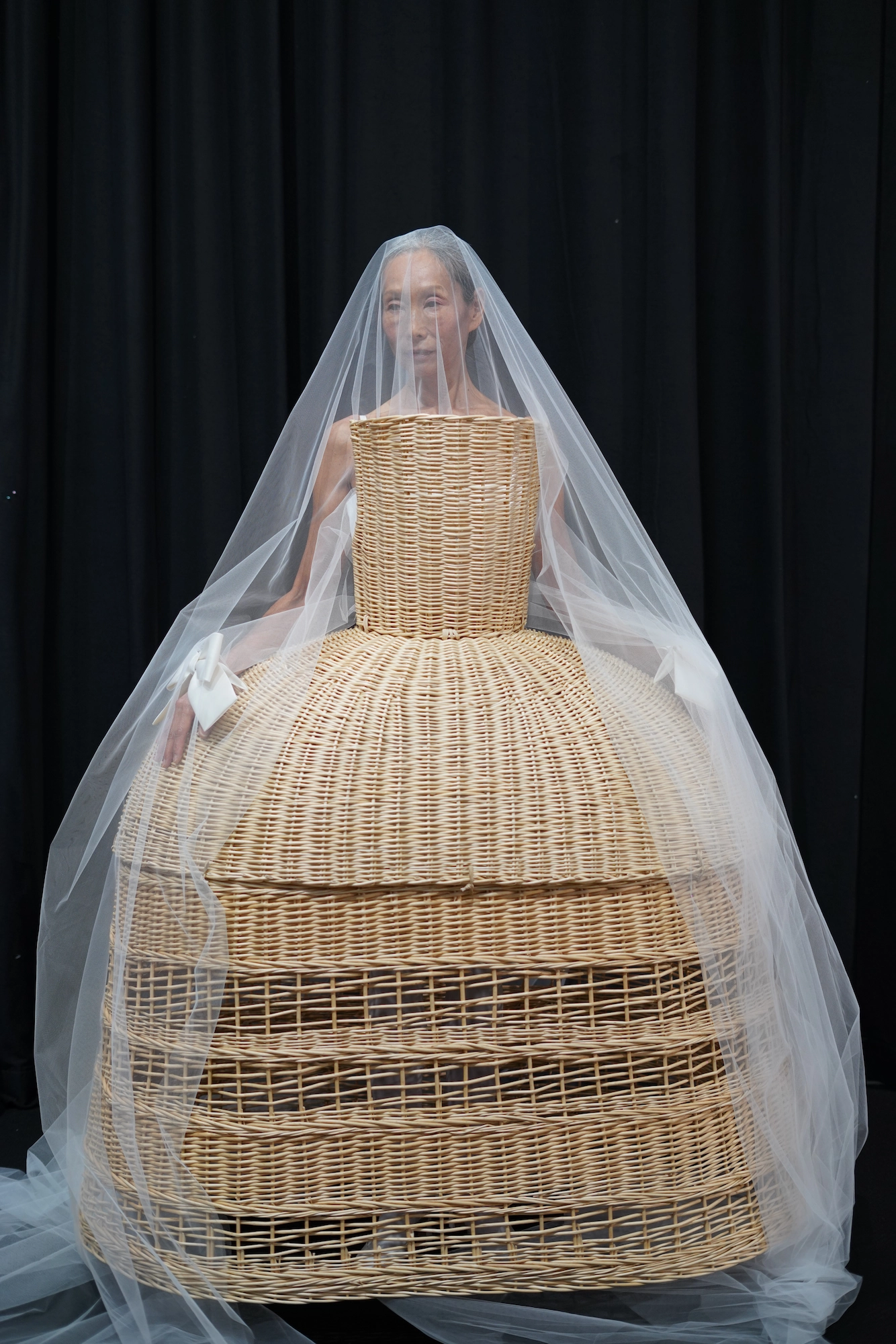
EL ALCÁZAR works with the garments of the 16th and 17th centuries, but here the historical reference functions as a starting point, not as a destination. What the collection proposes is a translation — and the difference with mere evocation is substantial. Translation requires understanding the original well enough not to need to copy it. It requires a language of its own through which ideas from another time can be brought into the present.
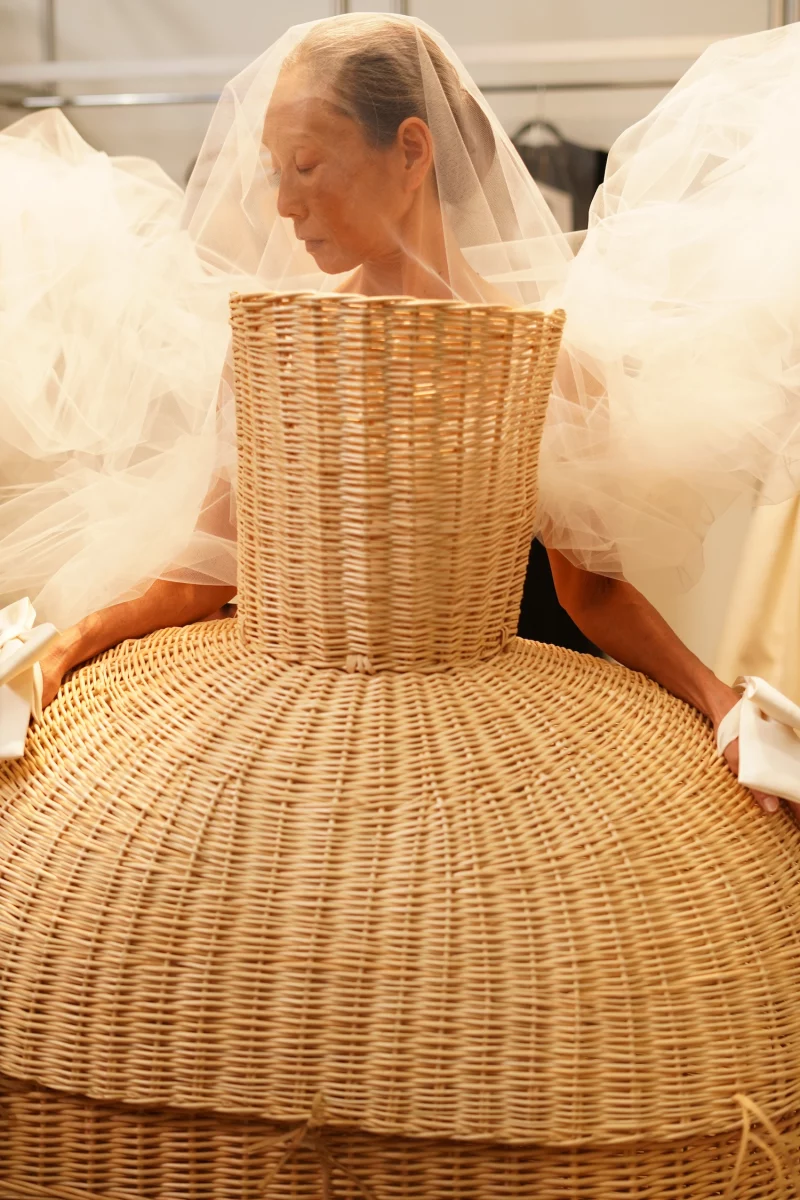
That language first appears in the volumes: structured without rigidity, capable of containing the body without imposing on it. The silhouettes retain the architecture of another era — the high proportion, the deliberate presence — but they move with the naturalness of something that is not a costume, but a conviction. The palette is built in tones of stone, of trodden earth, of inner shadow: colours that do not seek to impose themselves, but to create gravity.
“We are interested in pushing each artisan’s technique beyond what is usual”
Where the collection reveals its true scale is in what cannot be perceived at first glance. EL ALCÁZAR required many hands — and each of them left in the pieces something that no industrial process could replicate, not due to technical impossibility, but due to a lack of meaning.
The Haute Marquetry of Rubén Fabuel introduces into the garment the logic of woodworking: surfaces with relief, with tactility, with the specific weight of something made to measure. The 24-carat gold damascening by Raquel de Toledo — recently declared an Asset of Cultural Interest — threads metallic light through the fabric with a economy of gesture only mastered by those who have repeated the same action for decades.
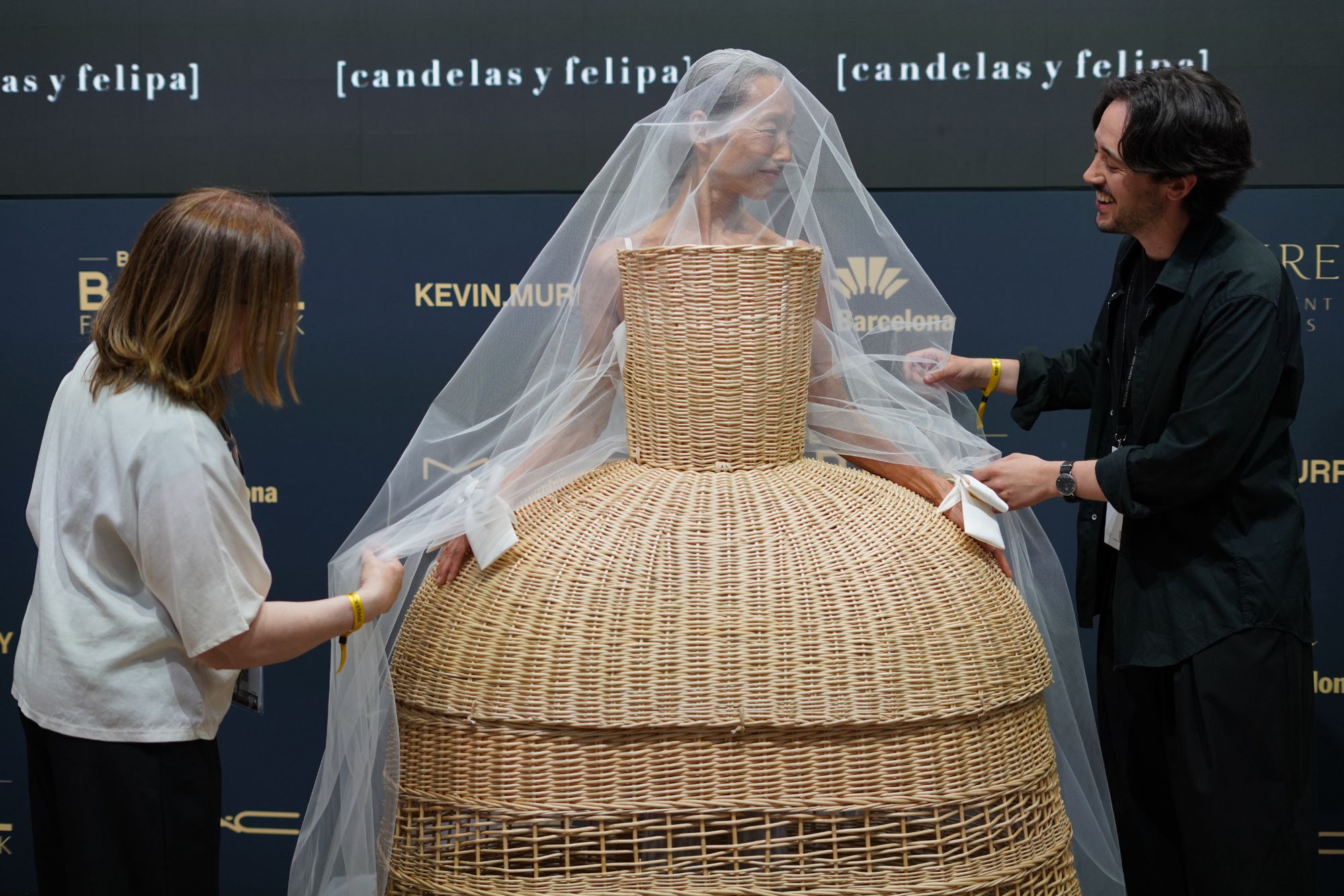
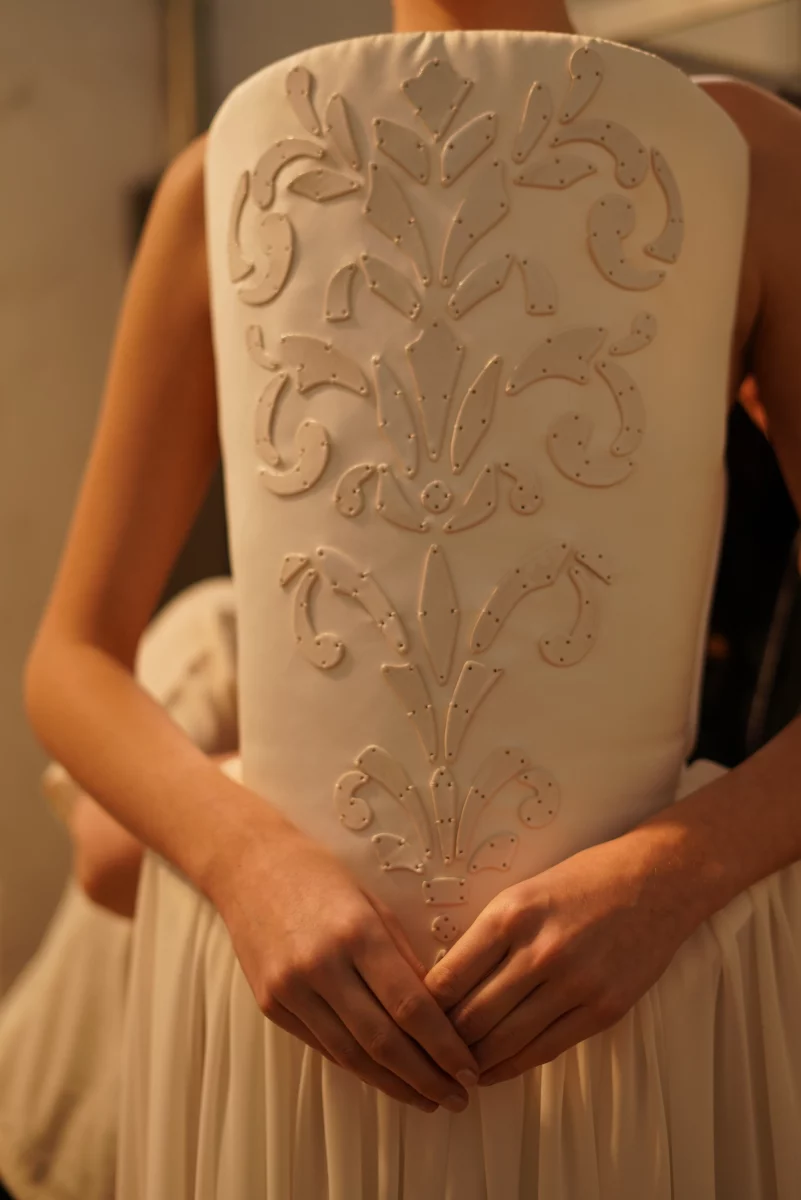
The wickerwork of Cestería Marcilla turns organic matter into structure: it creates form where there was once only texture, volume where there was once only fibre. The entirely hand-embroidered pieces incorporate ceramic elements by Rosa Temple that add relief and presence — the kind of presence objects have when someone decided they were worth the time they take. The interventions of Celia Espinosa push the universe of the collection into a territory where garment and artistic object blur their boundaries without losing their identity.
The footwear by Calzados Franjul and the hats by milliner Alexia Álvarez de Toledo complete a cohesive vision in which every element responds to the same logic: nothing is there because it visually fits. Everything is there because it means something, and that meaning sustains the argument.
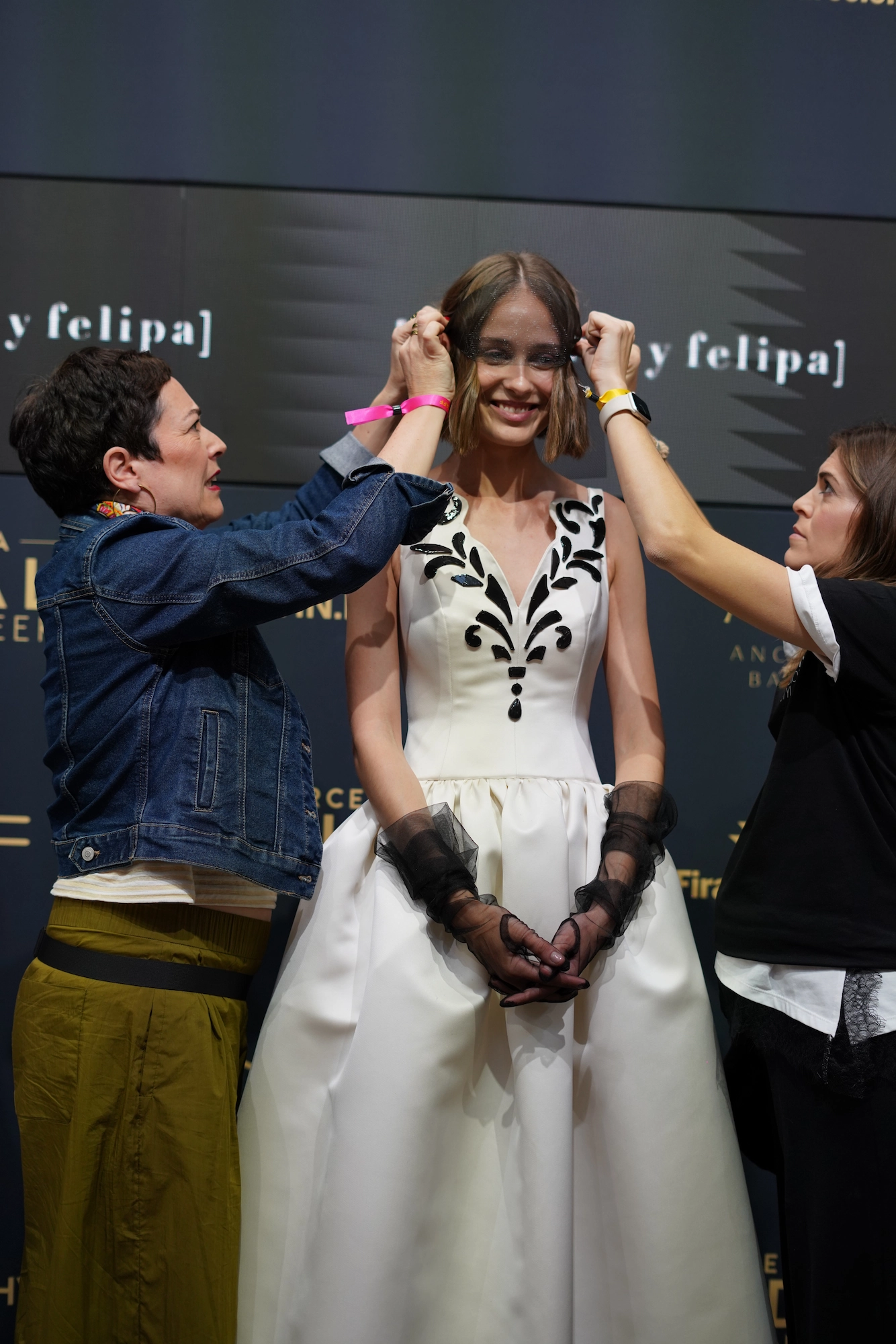
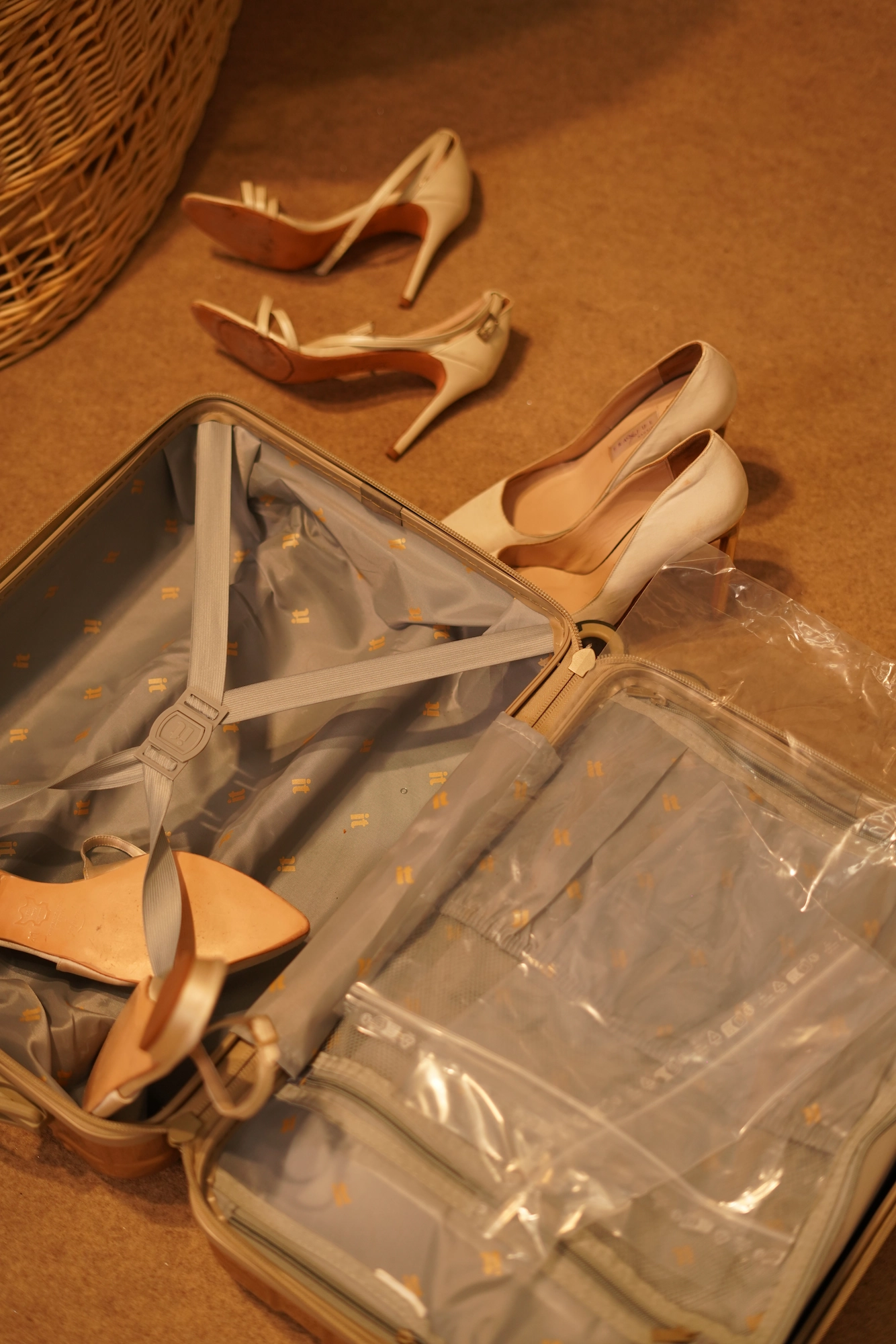
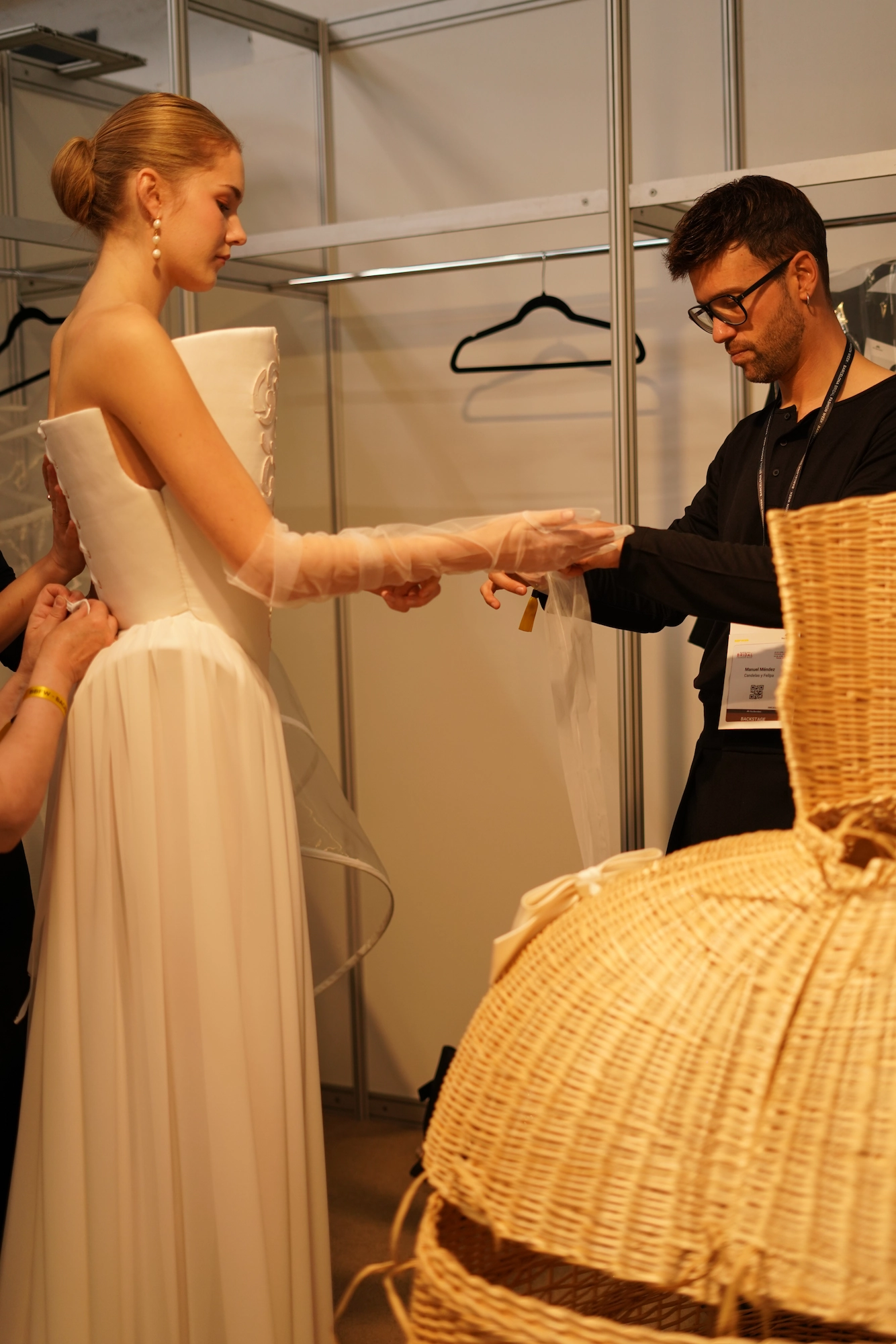
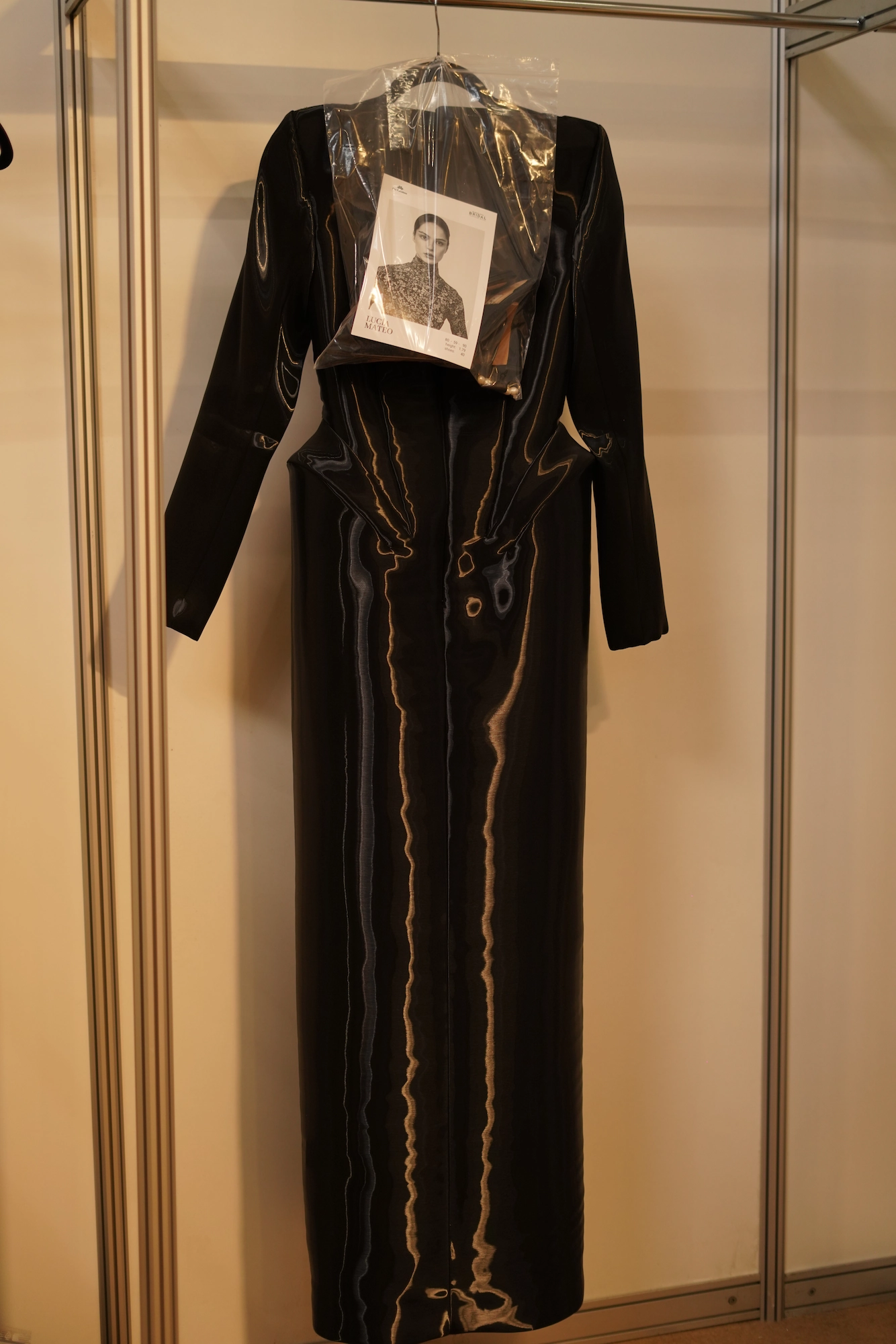
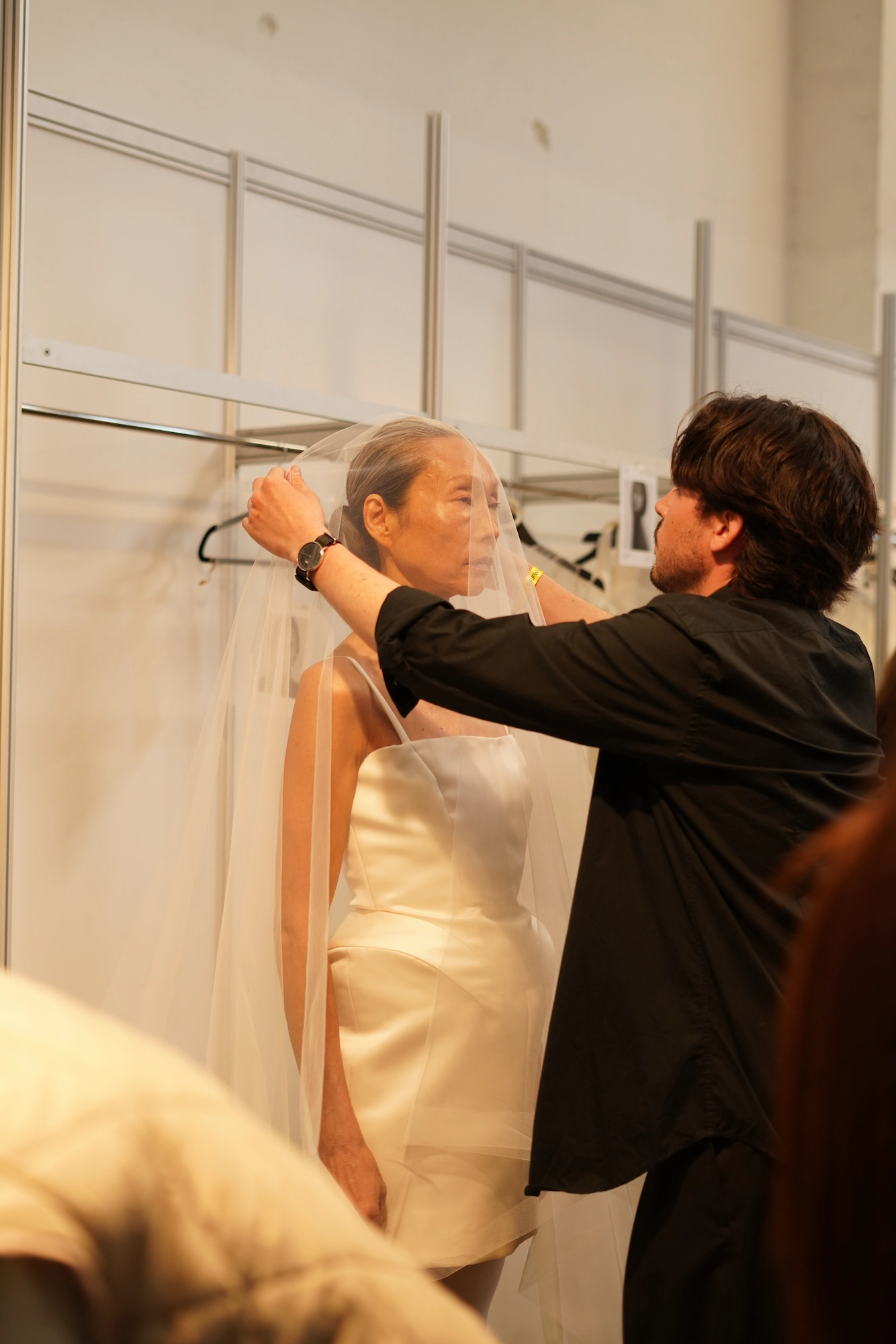
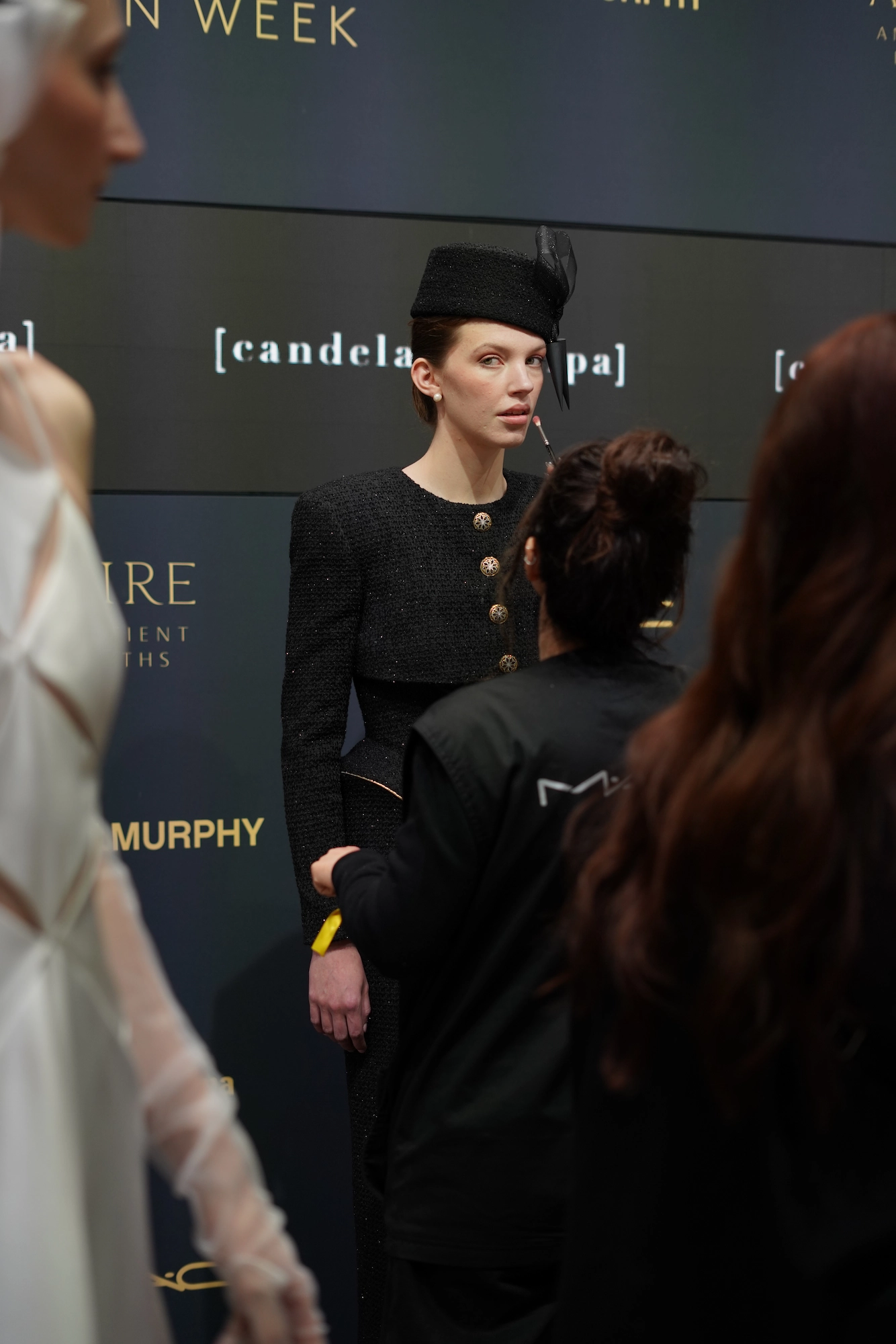
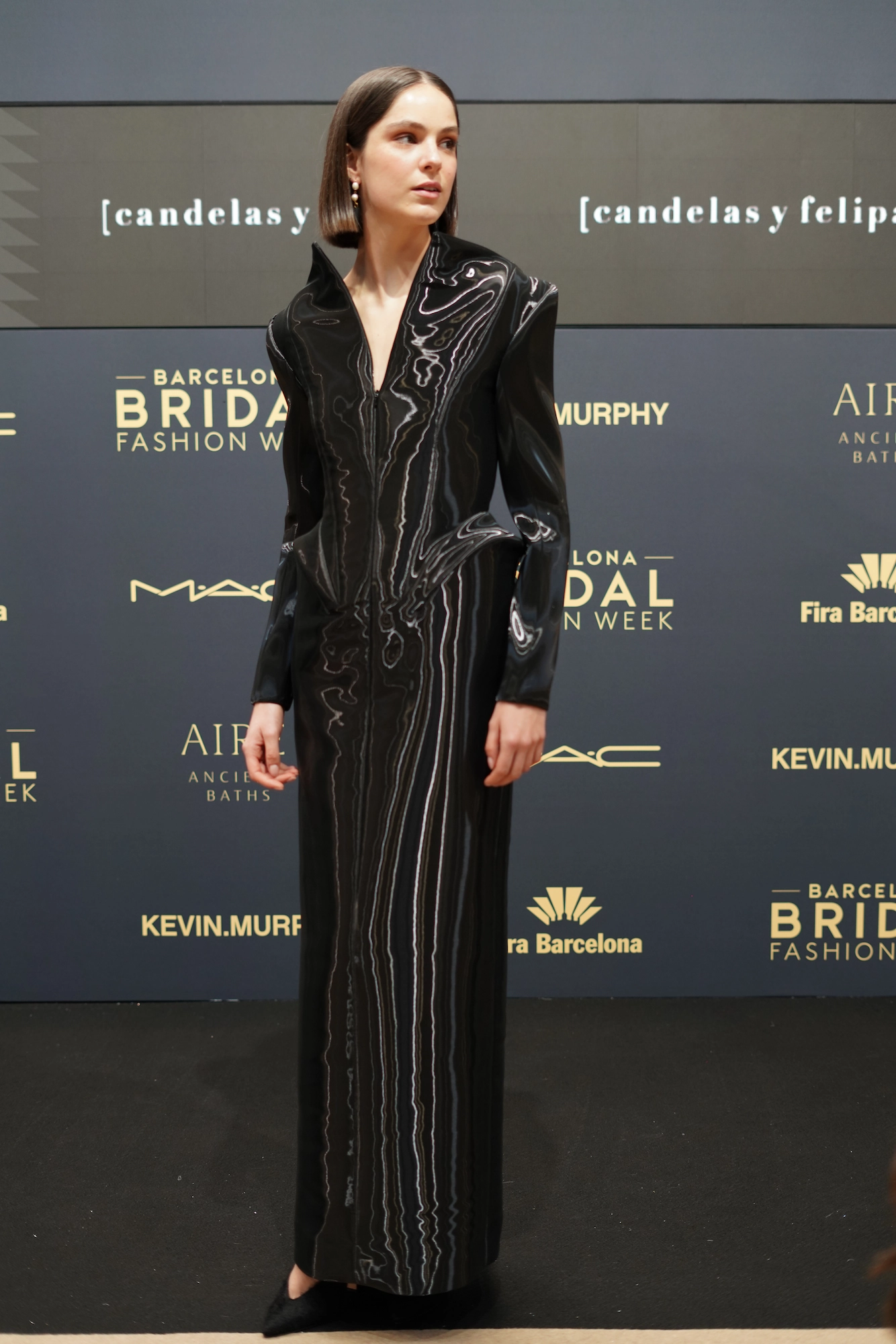
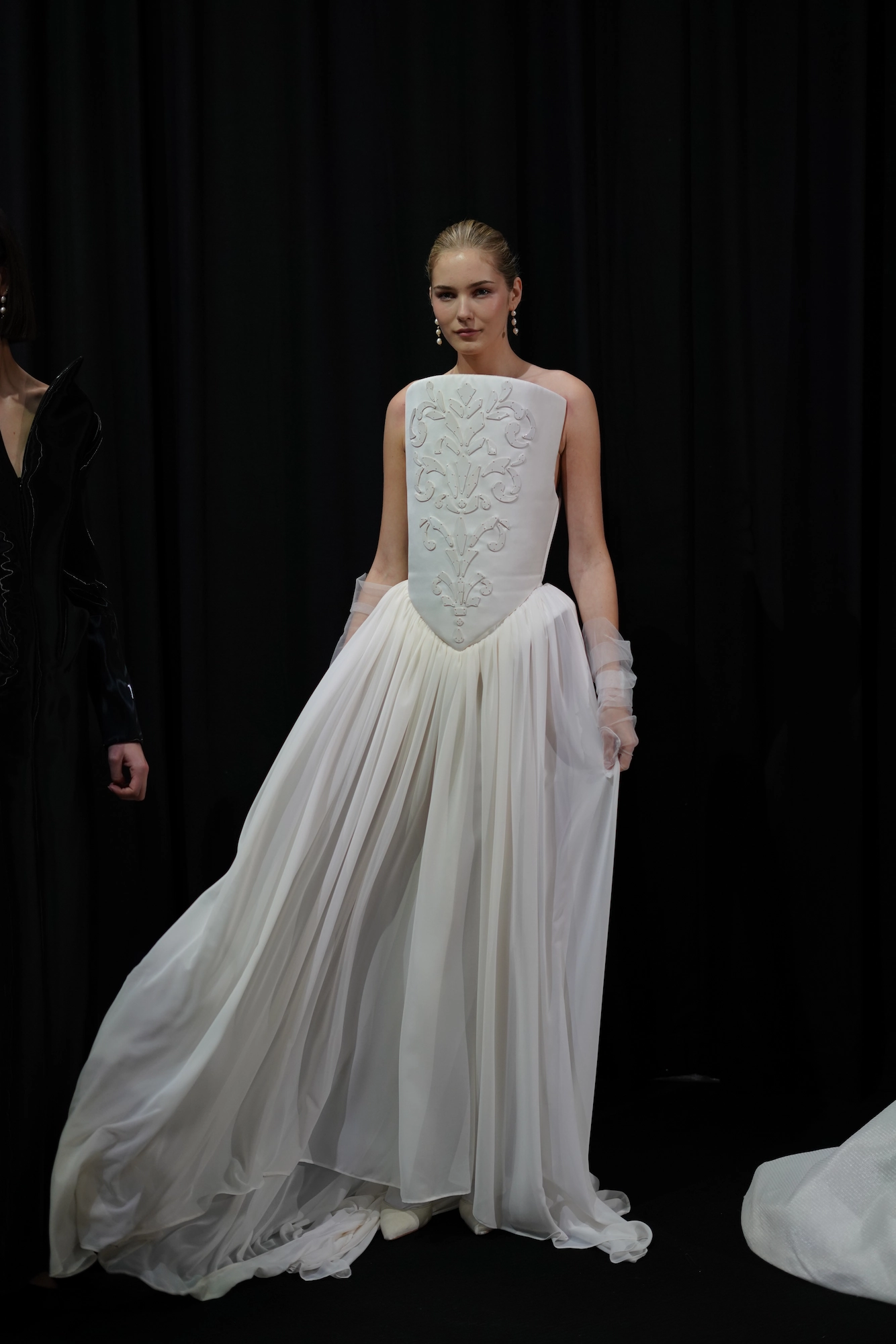
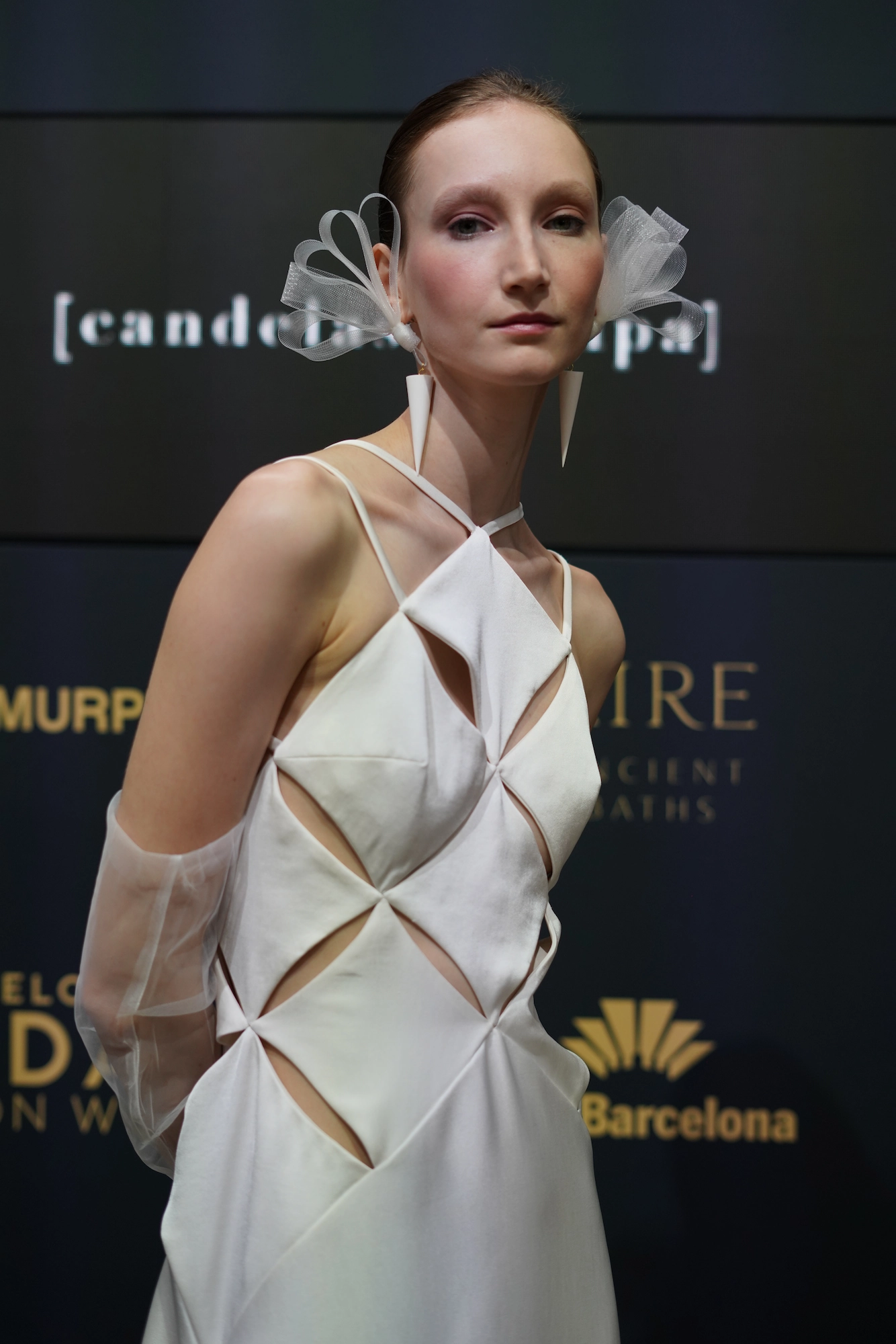
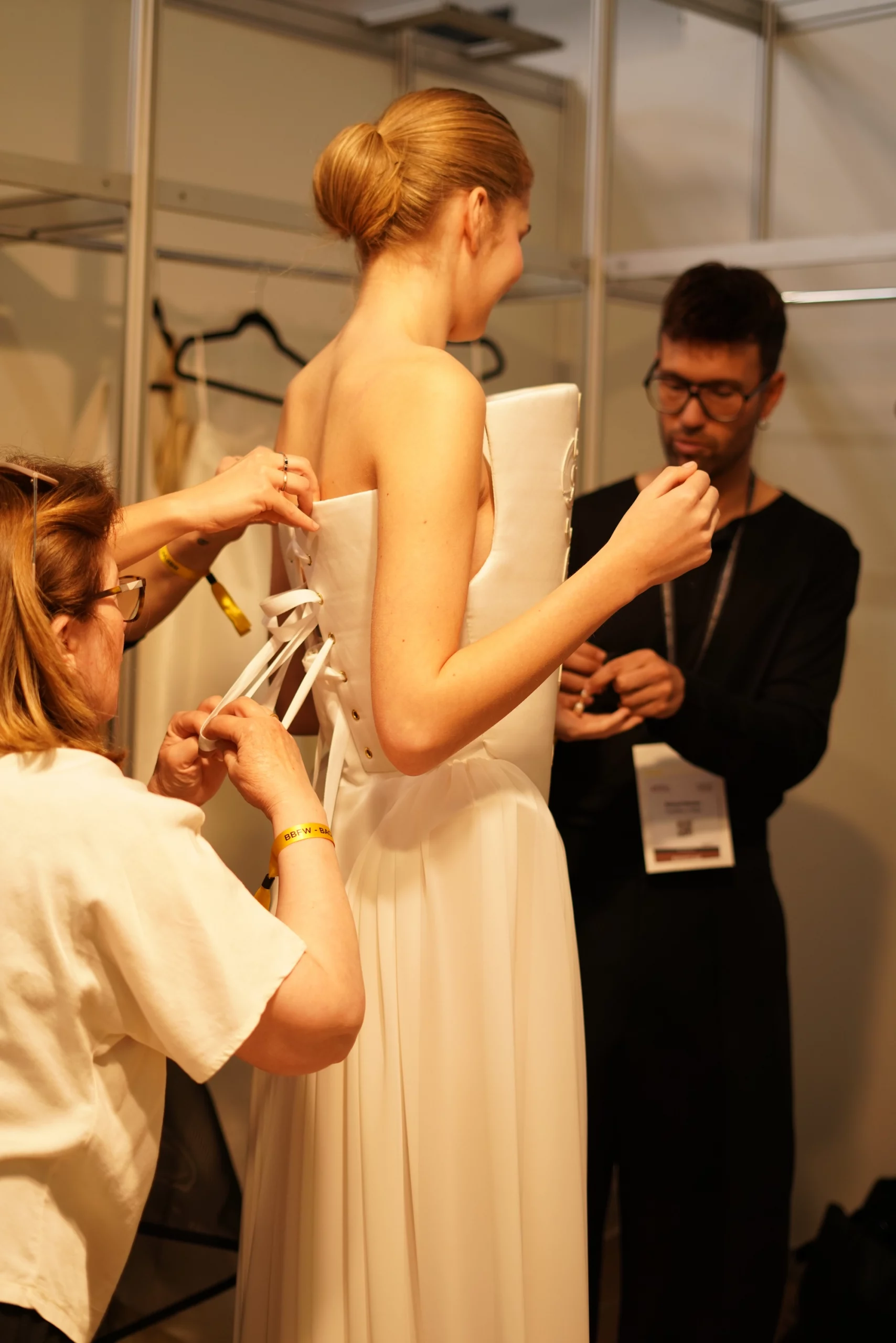
Backstage, before the show began, the atmosphere carried something unusual in this kind of event: calm. Not the calm of someone waiting, but of someone who knows what has been built. Each garment had gone through months of decisions before reaching that dressing room — and it showed in the way it was held, observed in silence, adjusted without urgency. With care, but without nerves. With the familiarity of those who have spent a long time with what they hold in their hands.
What does not rush
At the centre of everything Candelas y Felipa does lies a conviction embedded in its process: the time invested in a piece is part of its value, and that value reaches the body of the wearer without ever needing to be named.
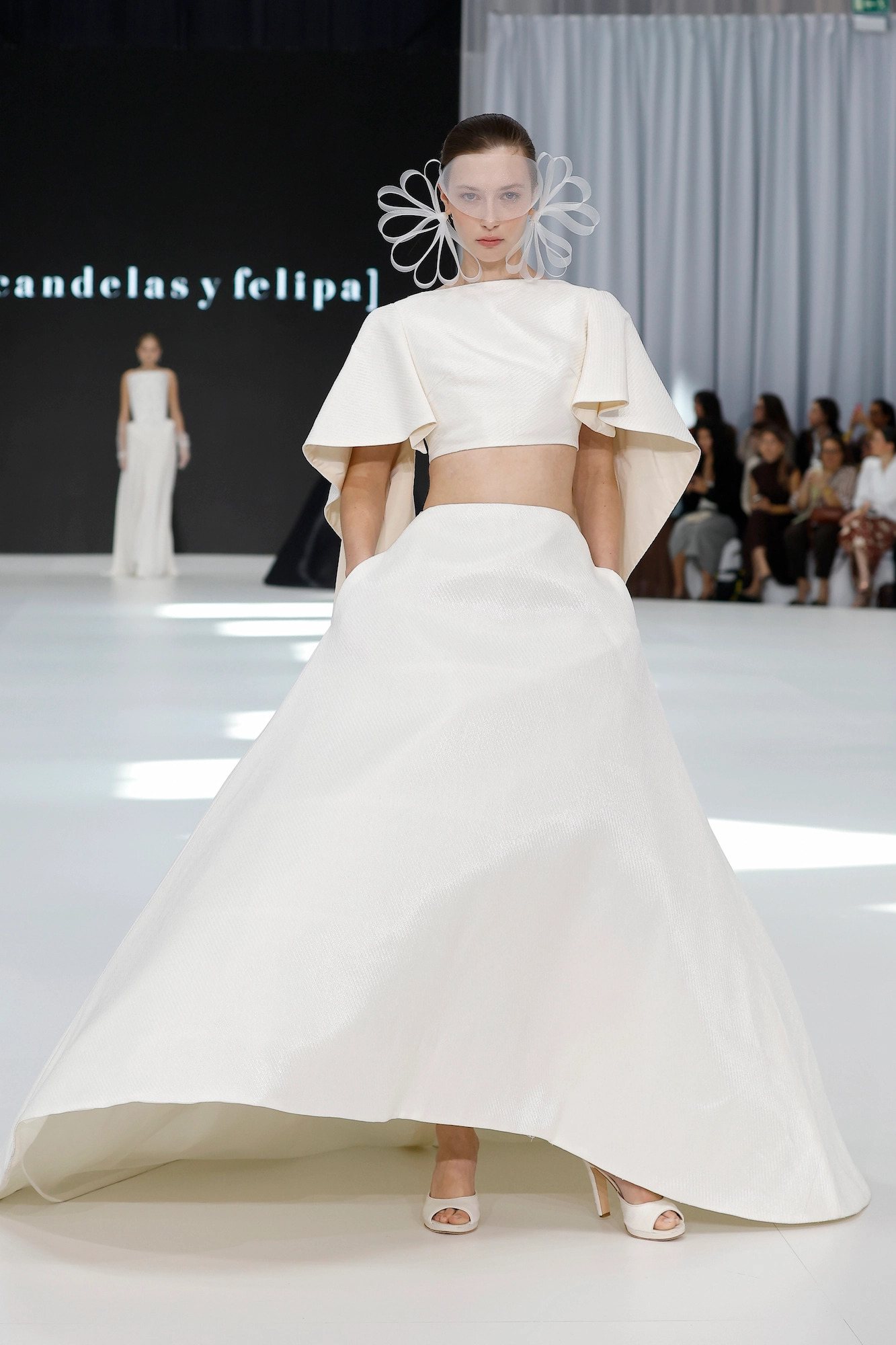
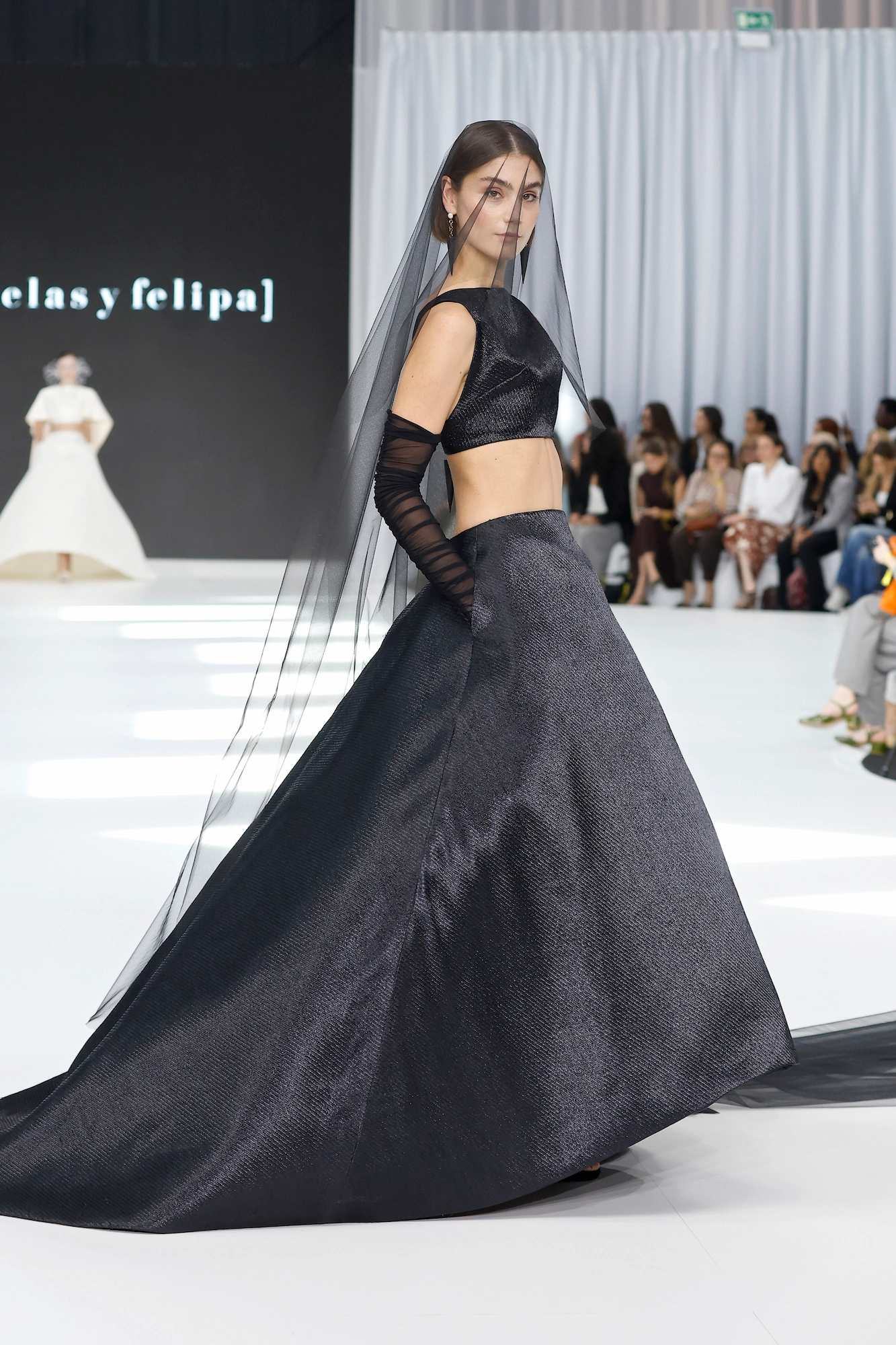
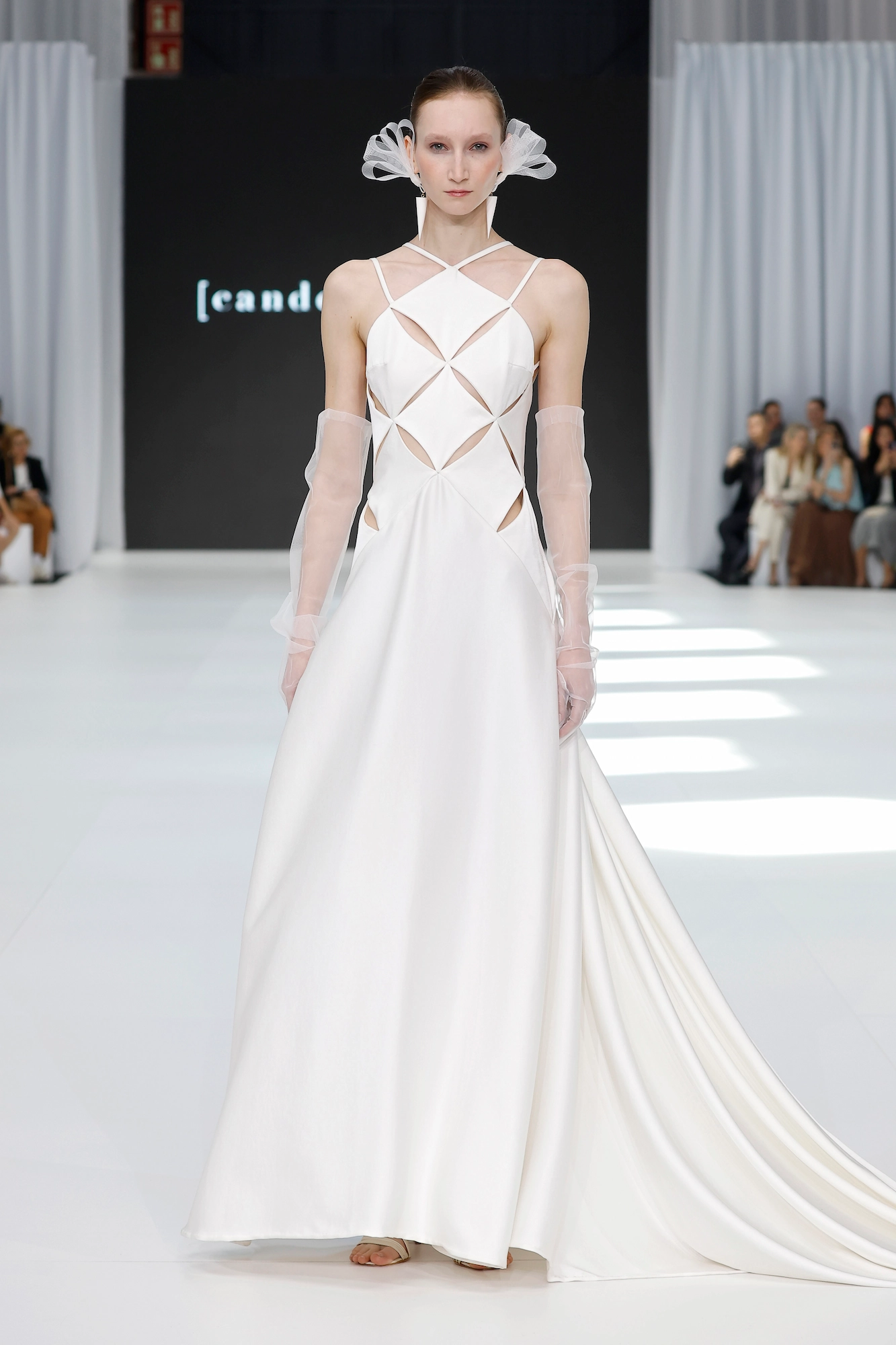
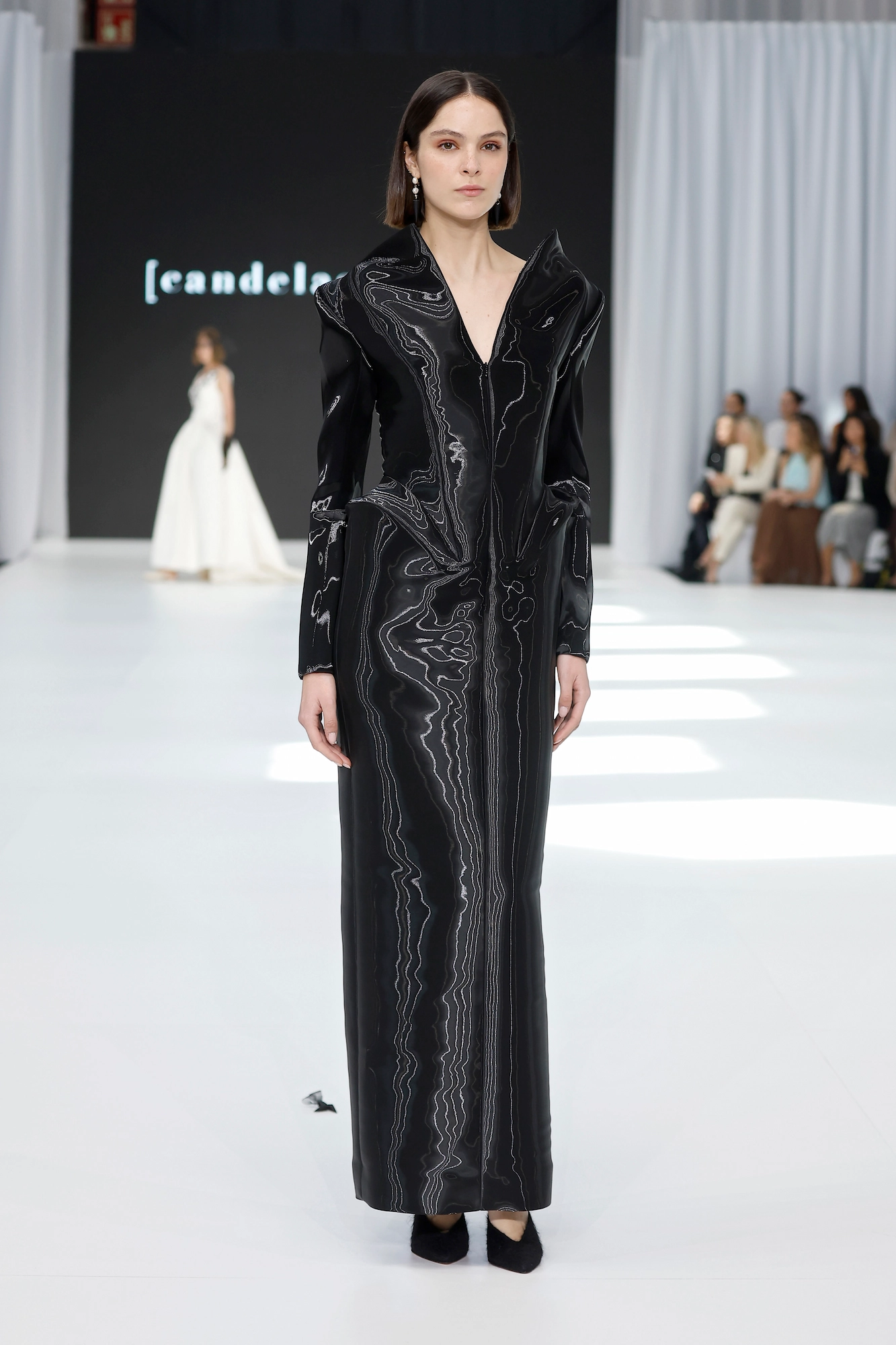
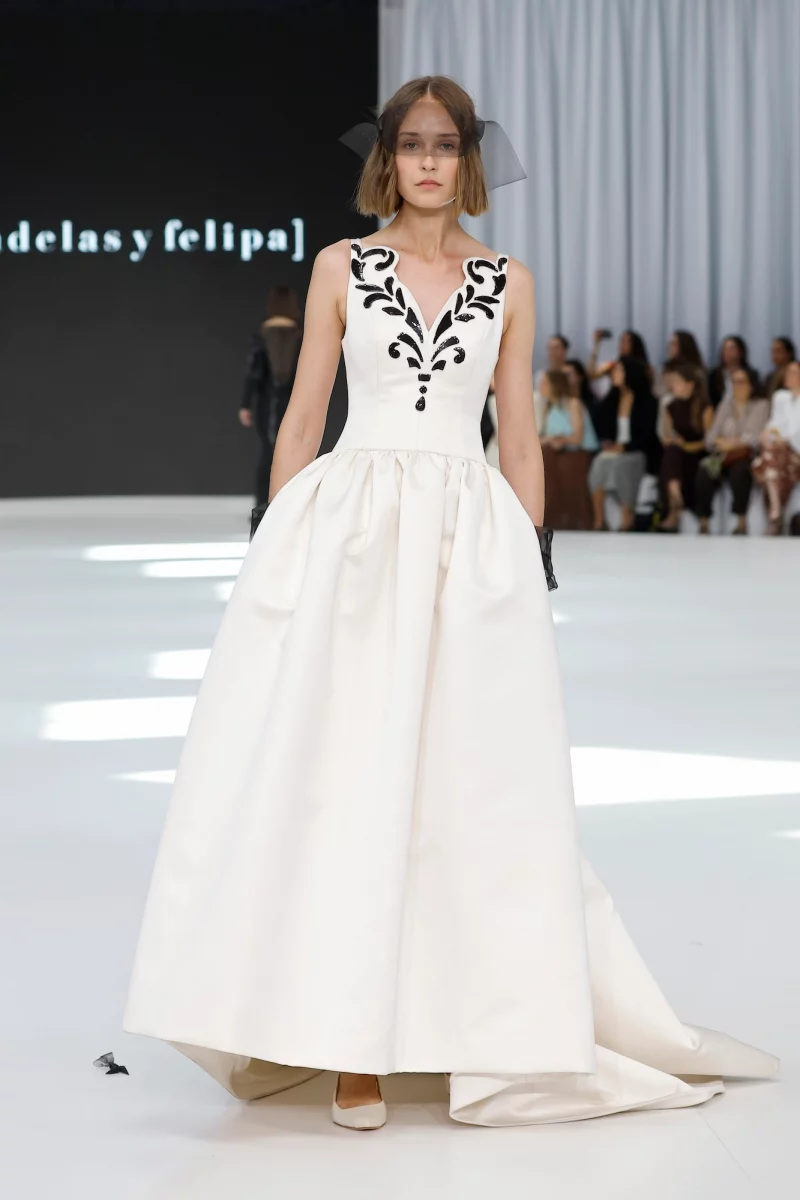
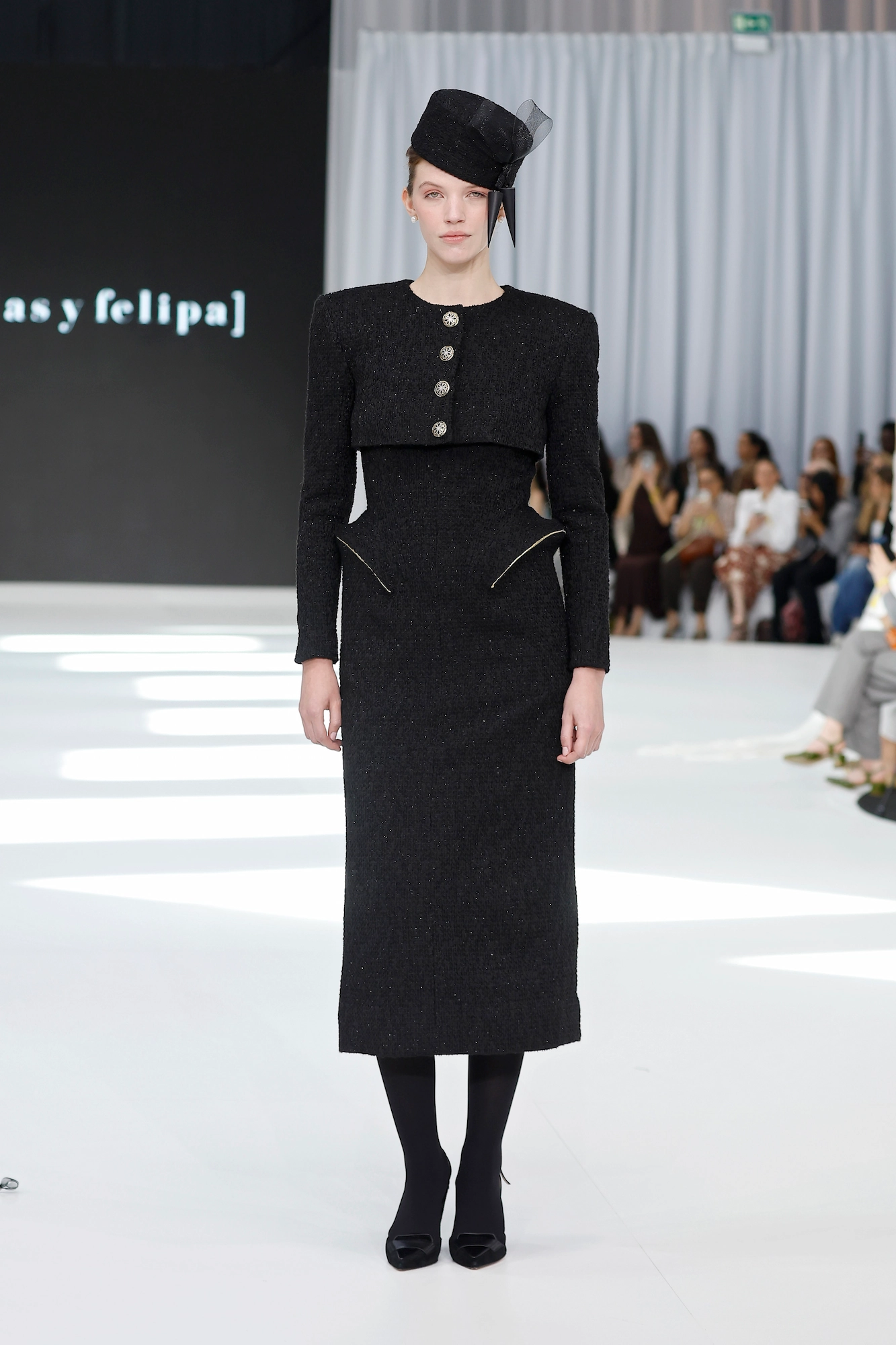
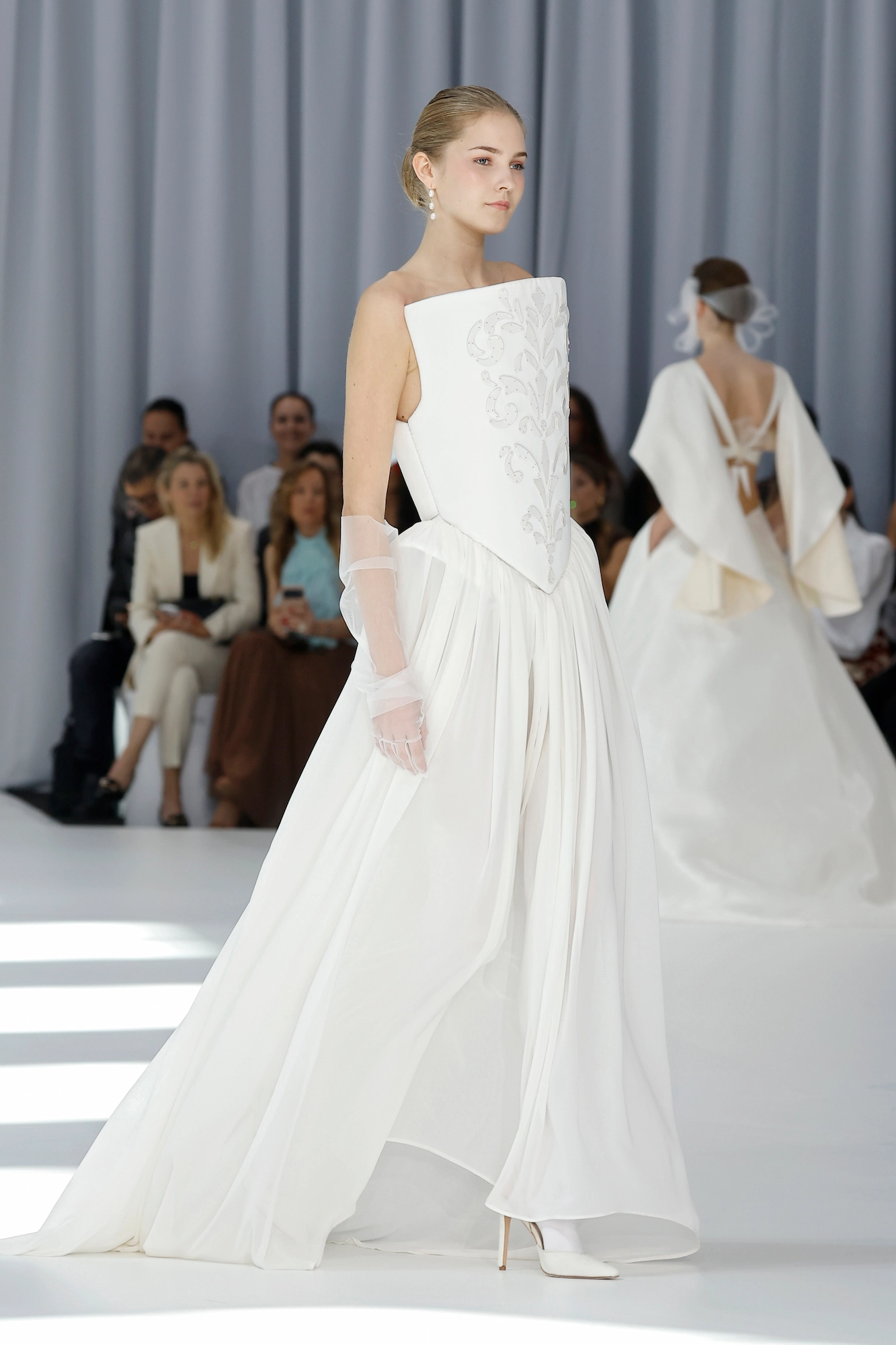
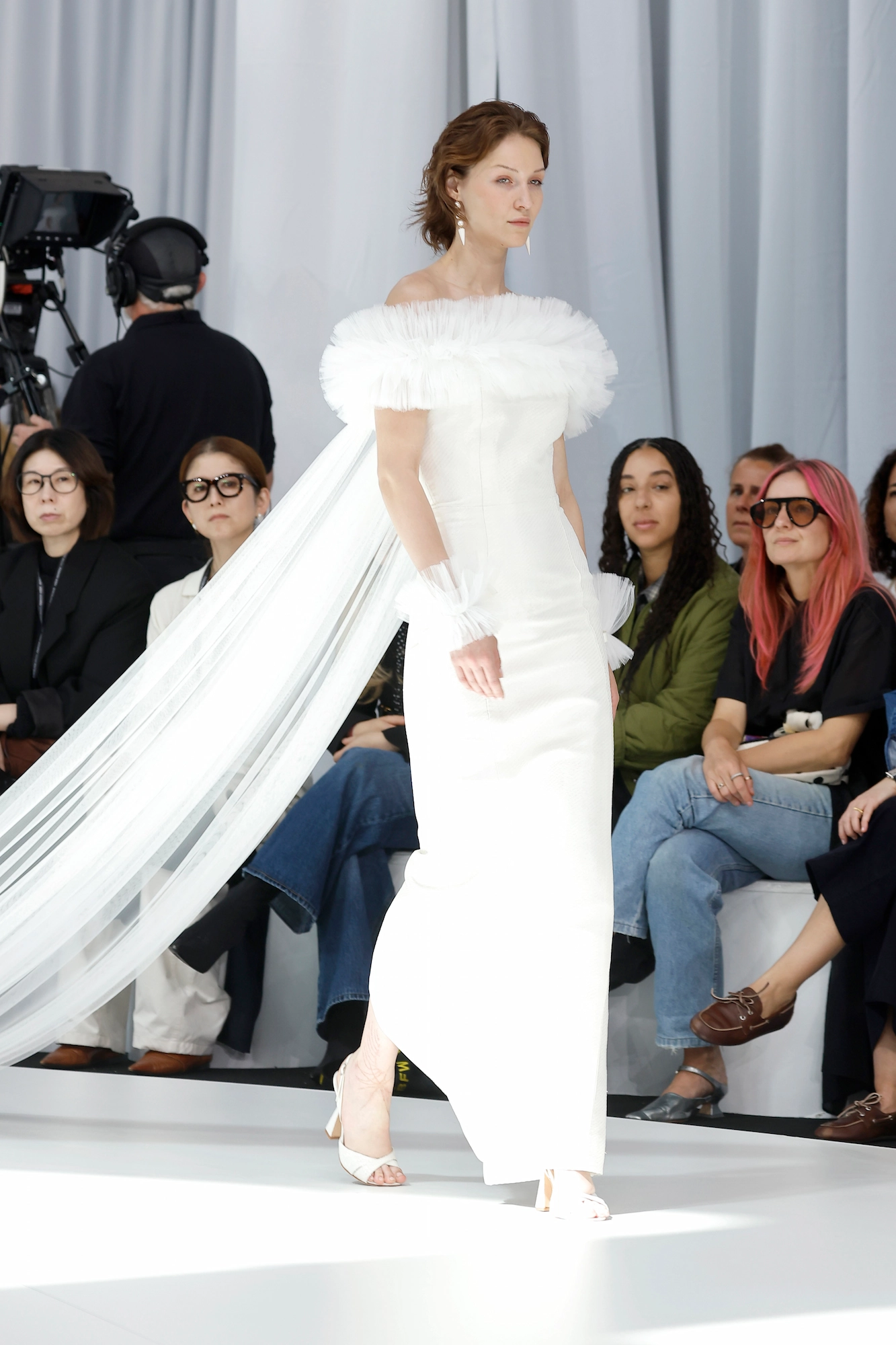
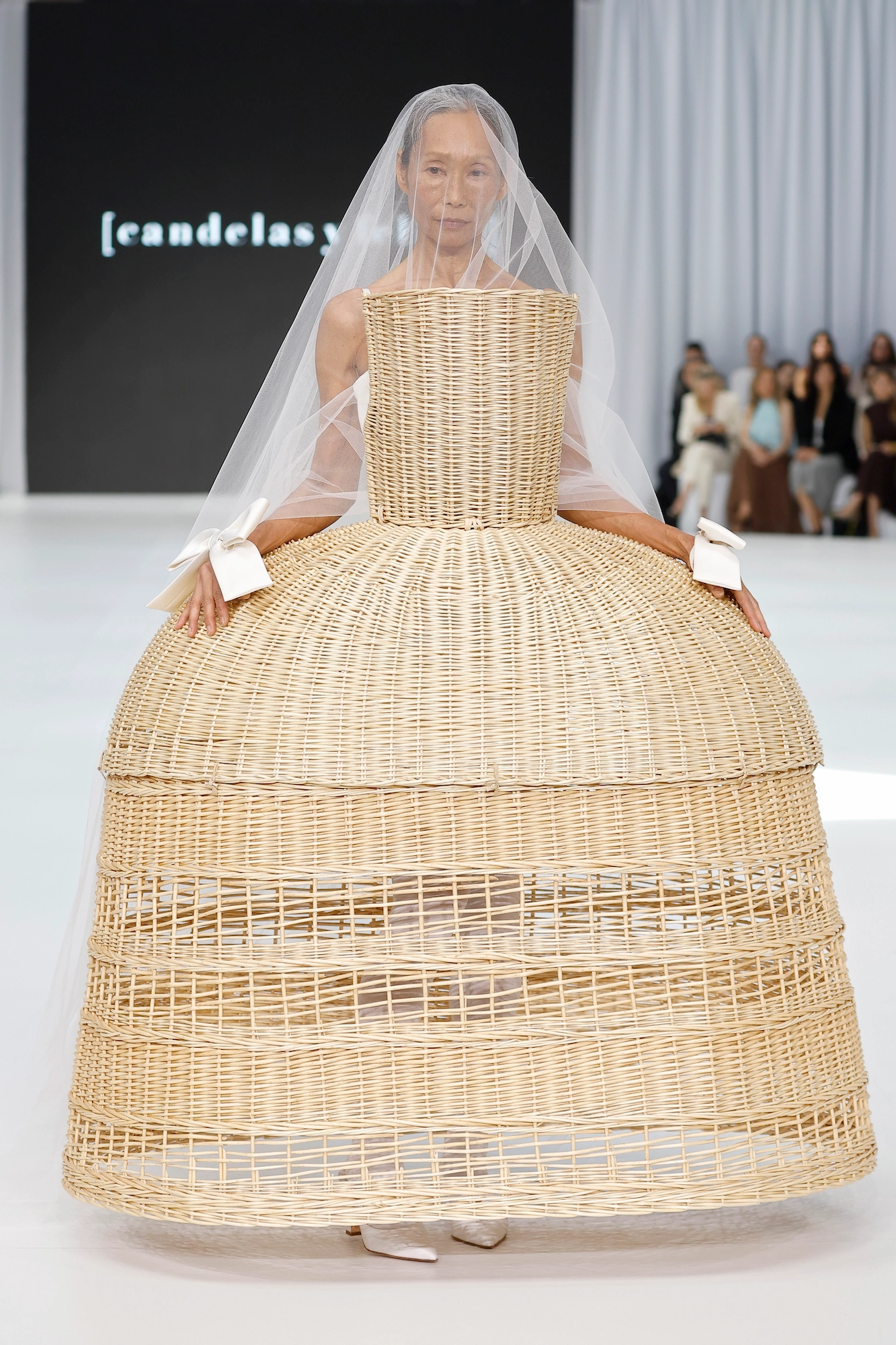
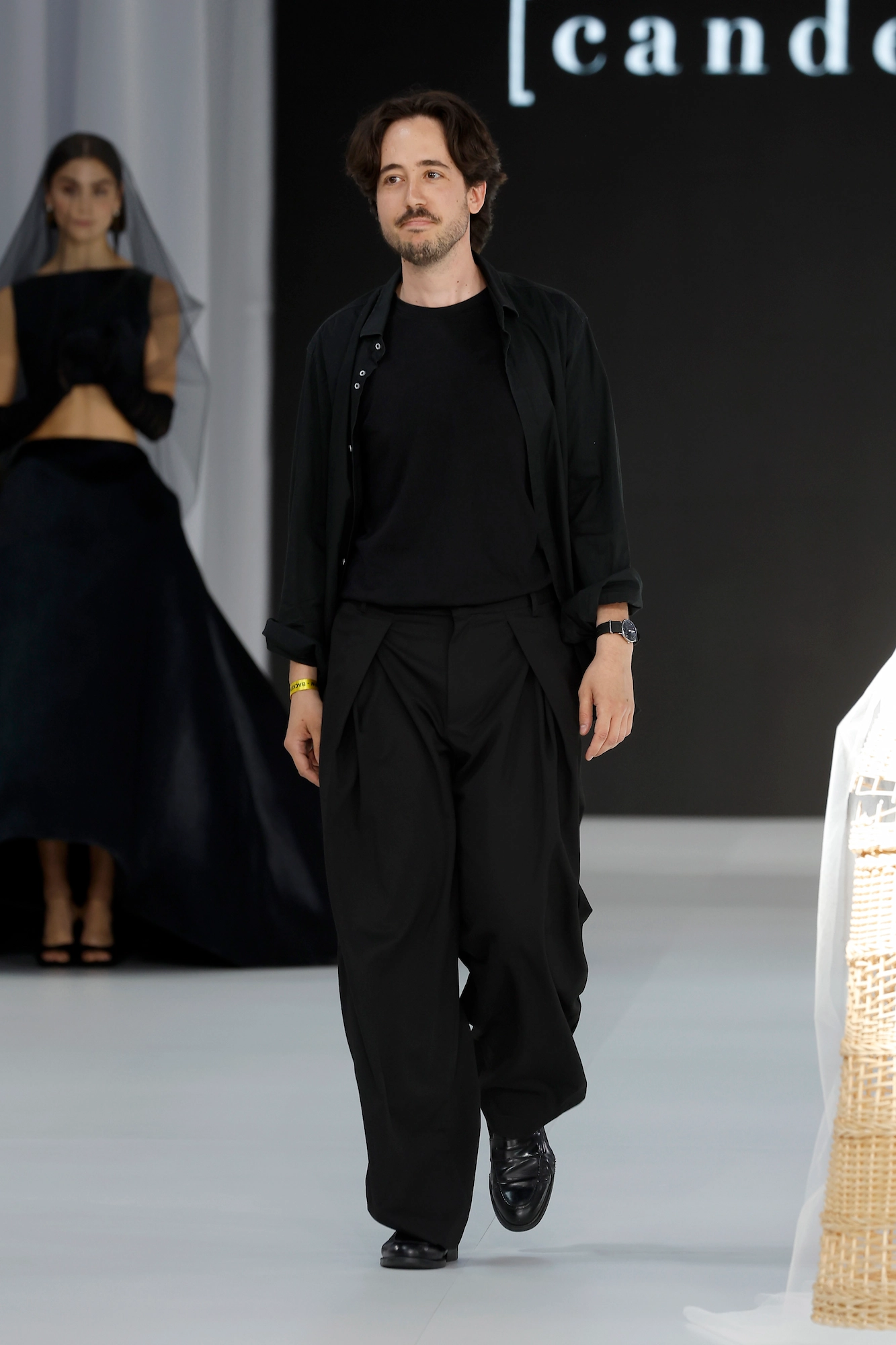
EL ALCÁZAR is the most complete expression of that conviction so far. A collection that brings together more than six artisans, that enters into dialogue with five centuries of Spanish textile history, and that is built from Alcázar de San Juan — without needing Paris, without needing Milan, and without seeking any legitimacy other than that generated piece by piece, season by season, since Maite and Guillermo decided that the names Candelas y Felipa deserved to continue existing.
In that gesture lies everything the brand is. And everything that is still to come.
The names were always the answer.
Fashion is not defined solely by what it shows, but by the way it constructs the meaning of what it shows: who conceives it, who executes it, and from what relationship with time each decision is made.
Candelas y Felipa takes that logic to its most precise expression. Each piece is born from a process in which craftsmanship goes beyond an aesthetic resource: it functions as structure. It does not illustrate the idea, it holds it and transforms it into matter.
At the intersection of craft, time, and form, the garment ceases to be merely a material object and becomes a language built through the hand.
Discover more about Candelas y Felipa