
In a town most people only visit on holiday, a family workshop has been making shoes since 1877.
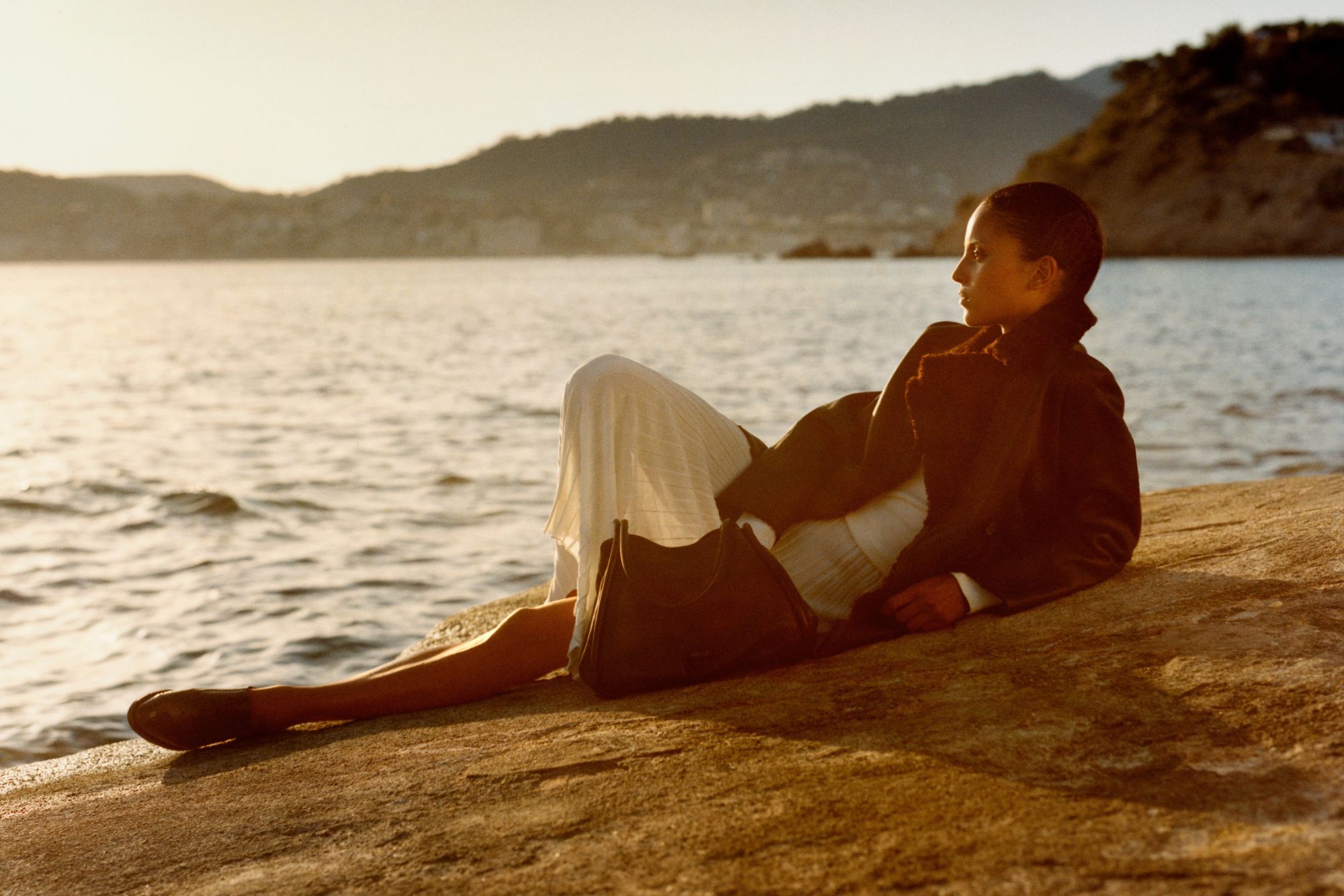
Mallorca has a winter very few people know. Terraces closed, noise gone, inland villages recovering their own pace. In Inca, in January, you can walk down the main street without crossing anyone who isn’t from there. That silence is what surrounded Antoni Fluxà Figuerola’s workshop when he opened it in 1877.
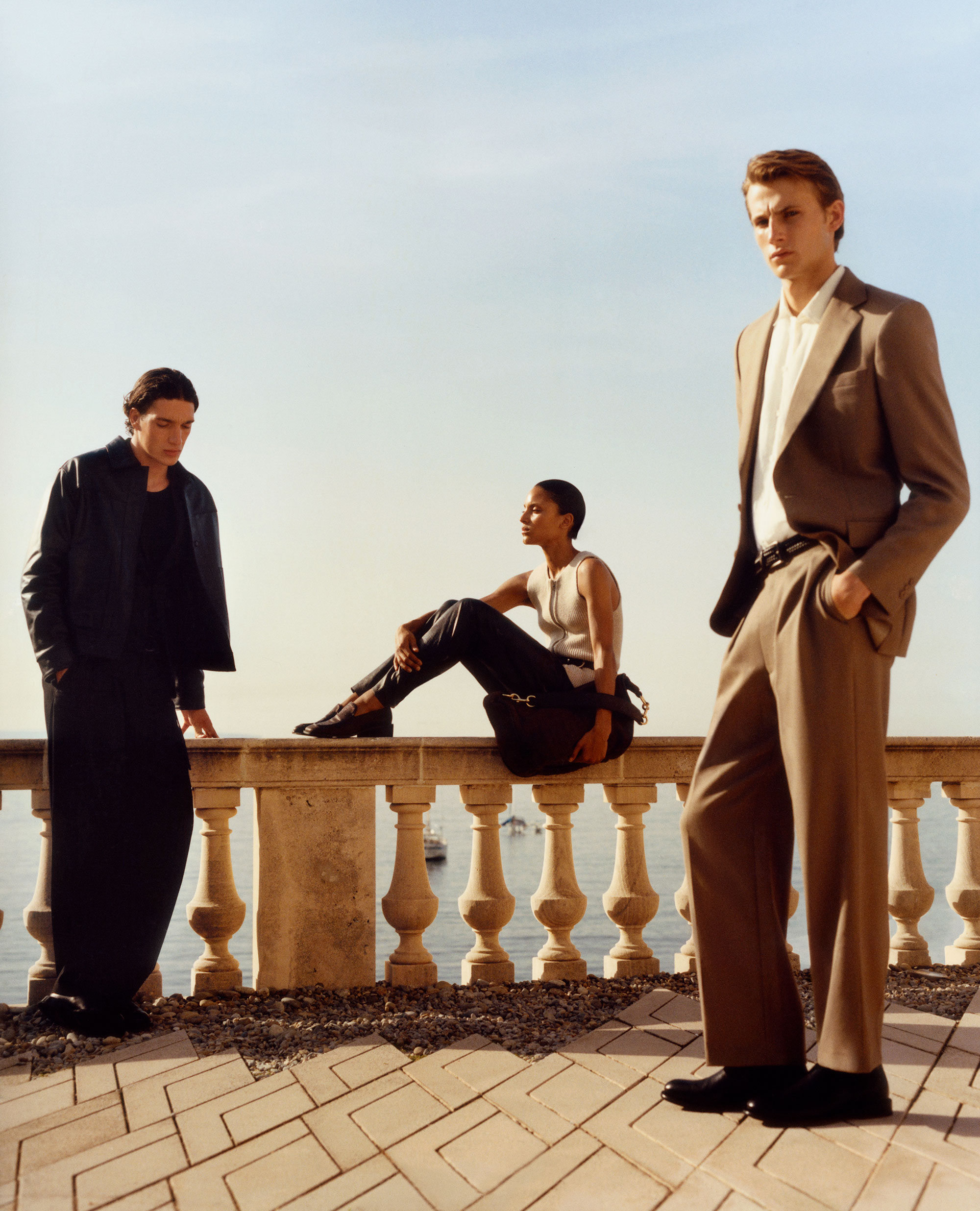
Image credit: Lottusse
Toni Arenas works in that workshop today. His father worked there before him. Now he works alongside his son. But to understand why that workshop exists, you need to know that Antoni Fluxà Figuerola, before opening it, travelled to England — at the end of the nineteenth century — to learn how a good shoe was built. He came back with a technique, the Goodyear welt system, and a conviction: that craftsmanship and industry could work together without either one losing.
The process Toni oversees today is rooted in the way it has always been done. Every piece of leather is reviewed by hand before it is cut — its imperfections marked, its character assessed. On average, forty percent of each hide is discarded. The sole is stitched to the shoe, which means it can be repaired when time calls for it. Even the tacks in the heel are brass — chosen because, unlike iron, brass does not corrode or rot the leather from within over time. These are decisions nobody sees. But they make the difference.
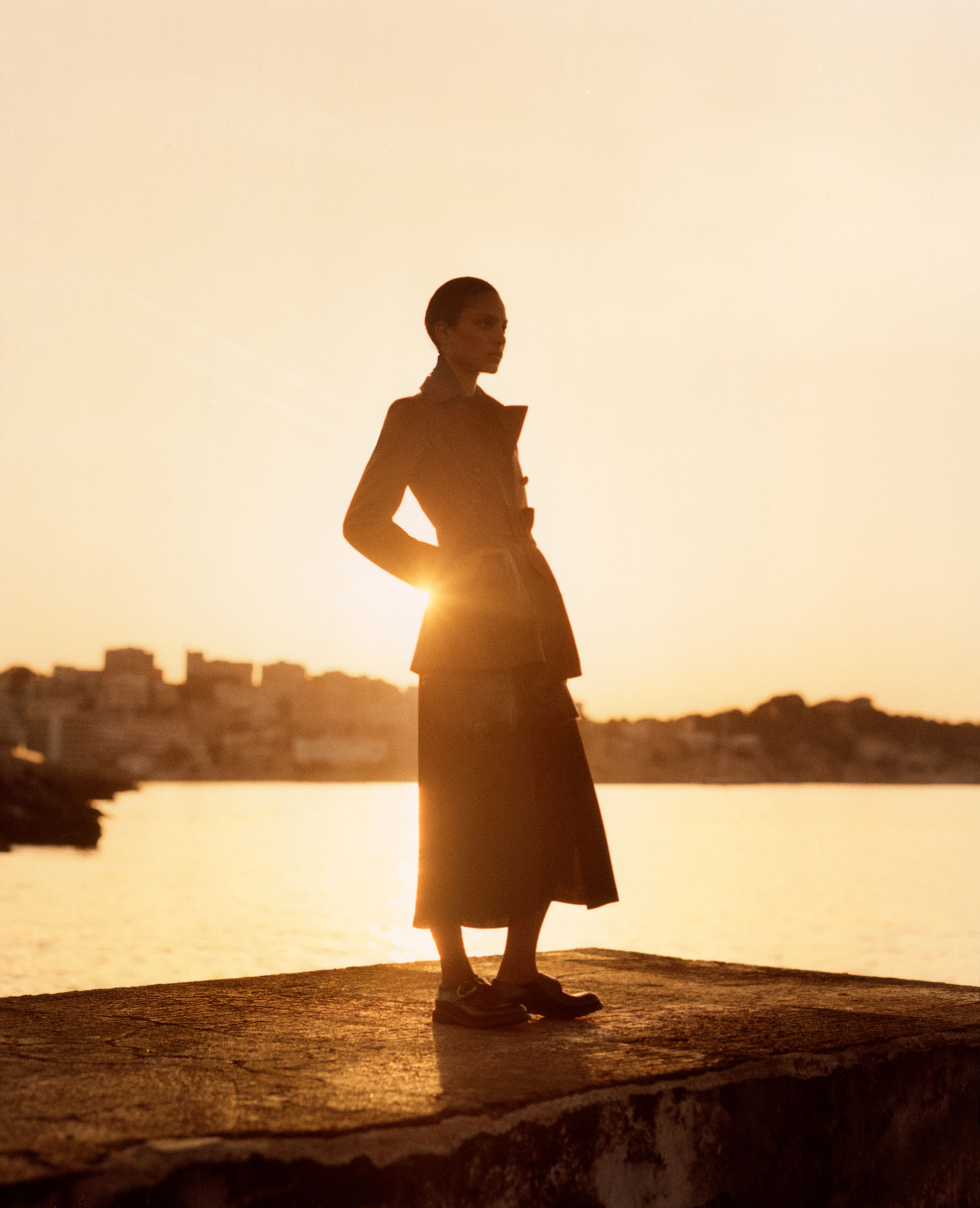
Image credit: Lottusse
From that workshop comes the autumn/winter 2026 collection. Leathers in espresso, mocha and chestnut carry the exact tones of the Mallorcan landscape at dusk. Tall boots in burnished hide, shearling jackets, lace-up loafers for him; ballet flats reworked in artisanal textures, gabardines for her. And the Noodbag — a hand-braided lambskin bag, six days of work per piece, 520 metres of leather strip and 3,550 knots. It has been in the catalogue for twenty years.
Every year, the world comes to Mallorca to discover its natural beauty. Lottusse has spent more than a century doing the opposite: leaving it. Through a shoe, a bag, a suede jacket — a language built generation after generation in the same workshop in Inca. The island travels with every piece.