
A pattern maker from Almería made her own wedding dress thirty years ago. The label born from that moment has since gone on to dress Spanish royalty.
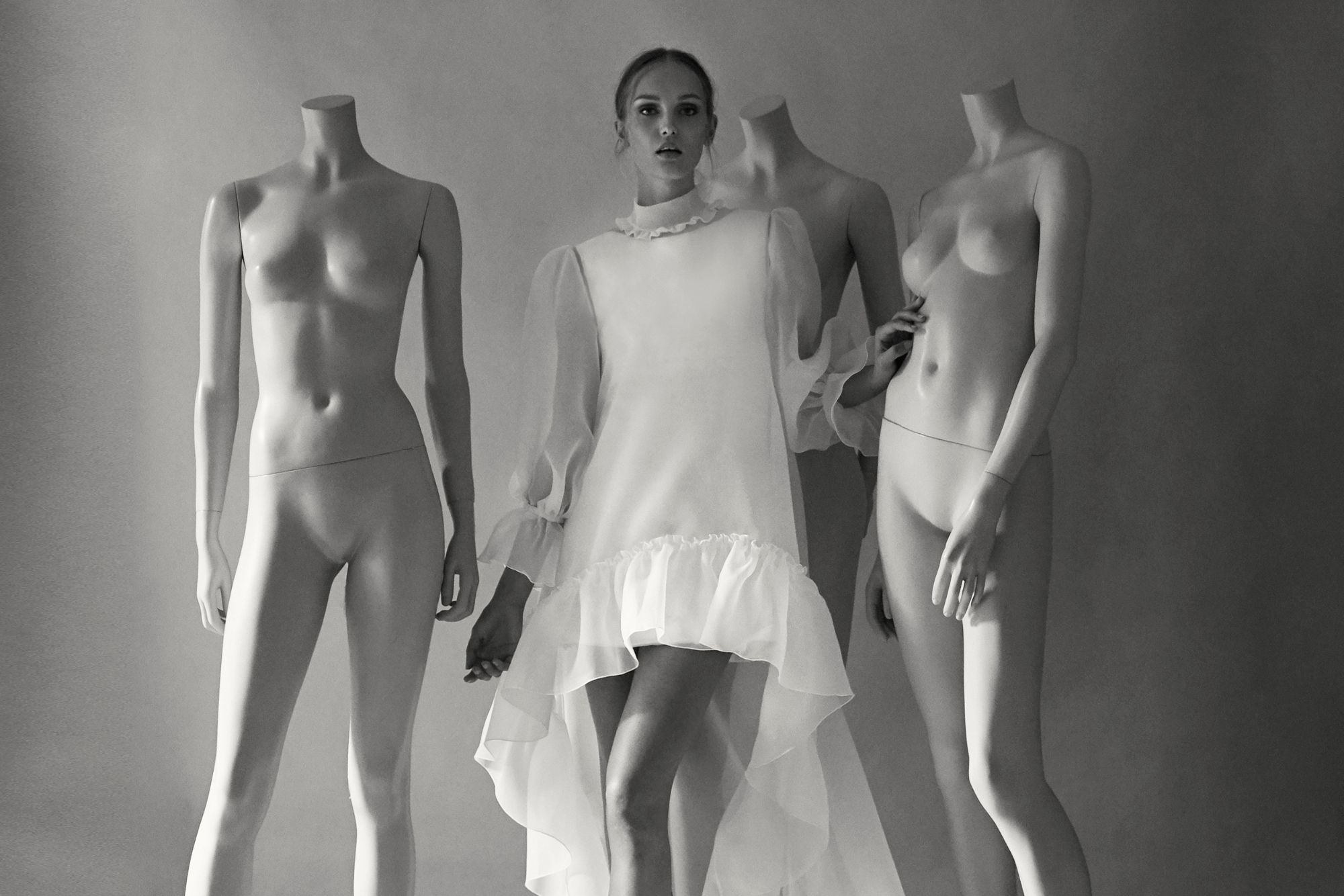
The first dress María Barragán ever made was her own. After studying industrial pattern cutting in Barcelona, she returned to her hometown of Almería and, when it came time for her wedding, created exactly what she wanted to wear.
Women in her city noticed, asked about it, and soon began requesting dresses of their own. There was no launch strategy, no business plan. Just one dress. Three decades later, the house operates ateliers in Almería and Madrid, dresses clients across several countries, and has earned a place within the Spanish Royal Household.
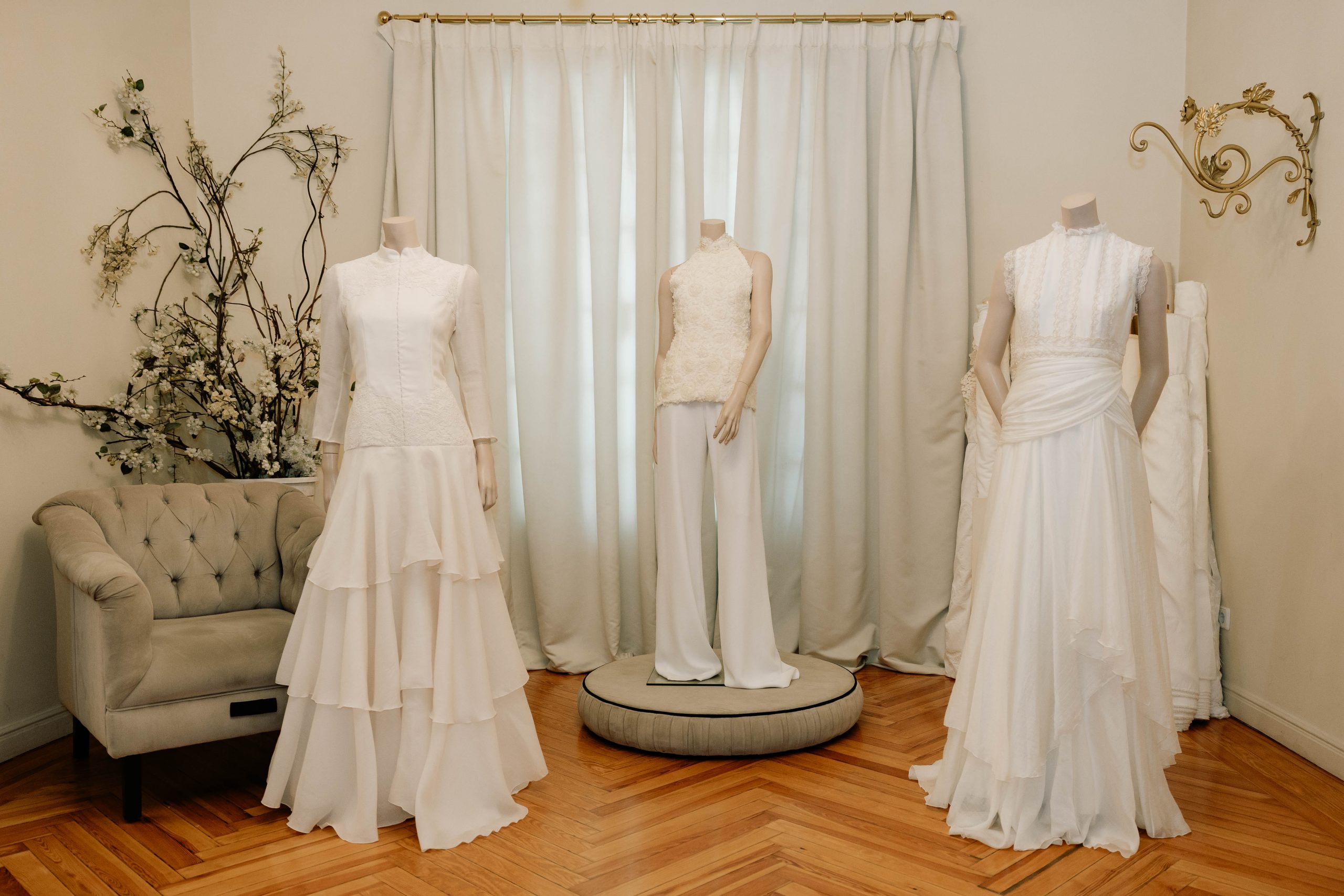
Image credit: María Barragán
What sets María Barragán apart is its process. Every garment begins with the pattern—the discipline its founder mastered long before the label existed—and is crafted entirely in the brand’s own ateliers, made to order and cut for one individual client. These are not garments altered after the fact; they are conceived from the outset for the body that will wear them.
The house’s silhouette is balanced and restrained; nothing competes with the wearer, everything works in harmony with her. Bridal gowns with fluid lines, occasionwear defined by precision, tailored trousers that follow the same design logic as an evening dress. The variety of forms never feels inconsistent because each piece is built on the same philosophy of construction.
In 2021, the house introduced a prêt-à-porter line in response to a growing demand for garments beyond the world of occasion dressing. The result did not depart from its identity; it applied the same principles to a different context: versatile, thoughtfully constructed pieces free from unnecessary excess. It was not a reinvention. It was consistency.
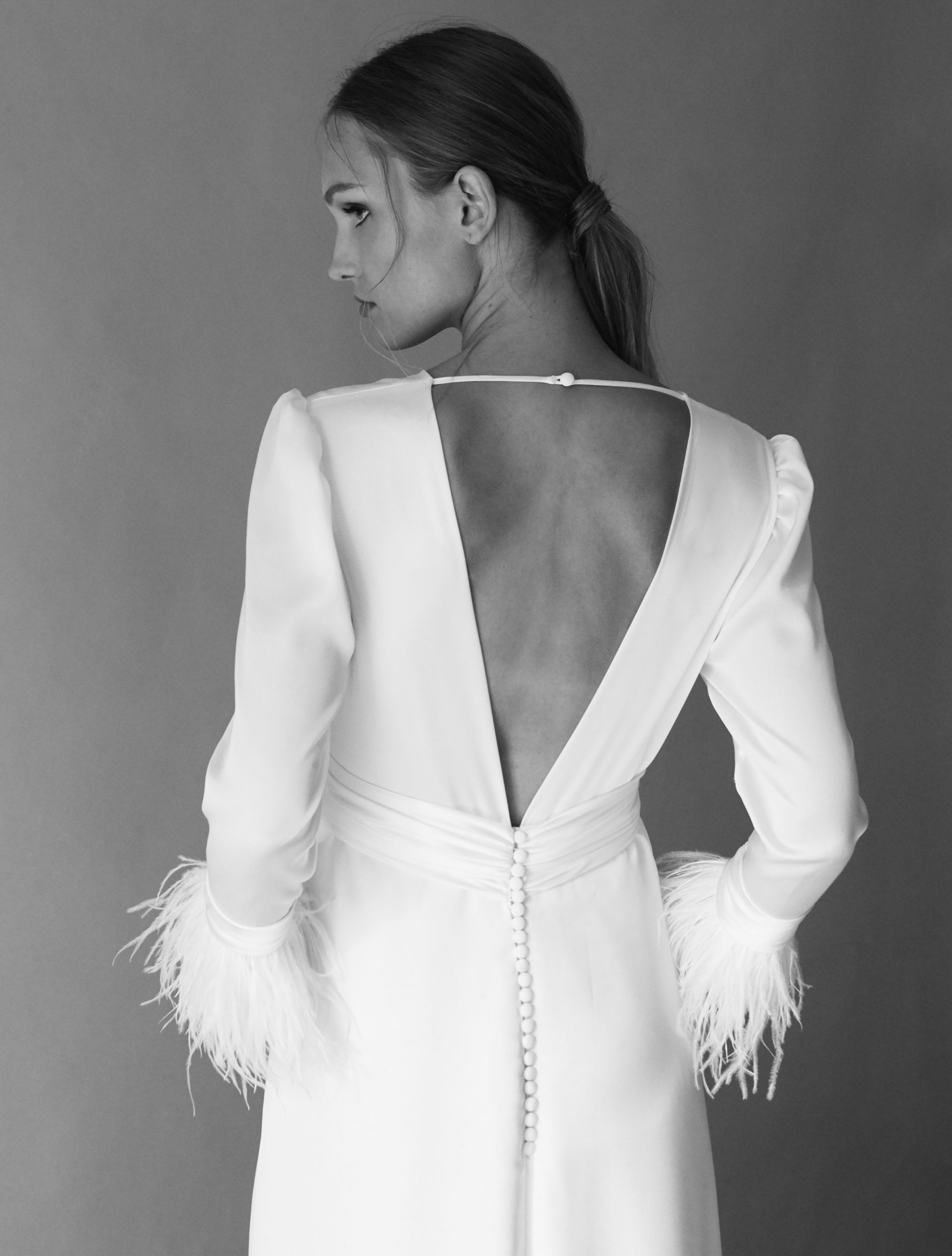
Image credit: María Barragán
Much of Spain’s bridal market sits somewhere between runway spectacle and industrial production marketed as exclusivity. María Barragán belongs to neither. Every piece is made to order in the brand’s own ateliers, produced in limited quantities, and the house has remained relevant without compromising that model.
More recently, the founder’s daughters joined the business, bringing backgrounds in business and the arts. The communication evolved; the workshop remained untouched. It is the kind of generational transition rarely seen in houses of this scale, and it reveals something about the way María Barragán understands continuity. María Barragán has grown with a single idea: evolution through continuity.